
Companion Plants
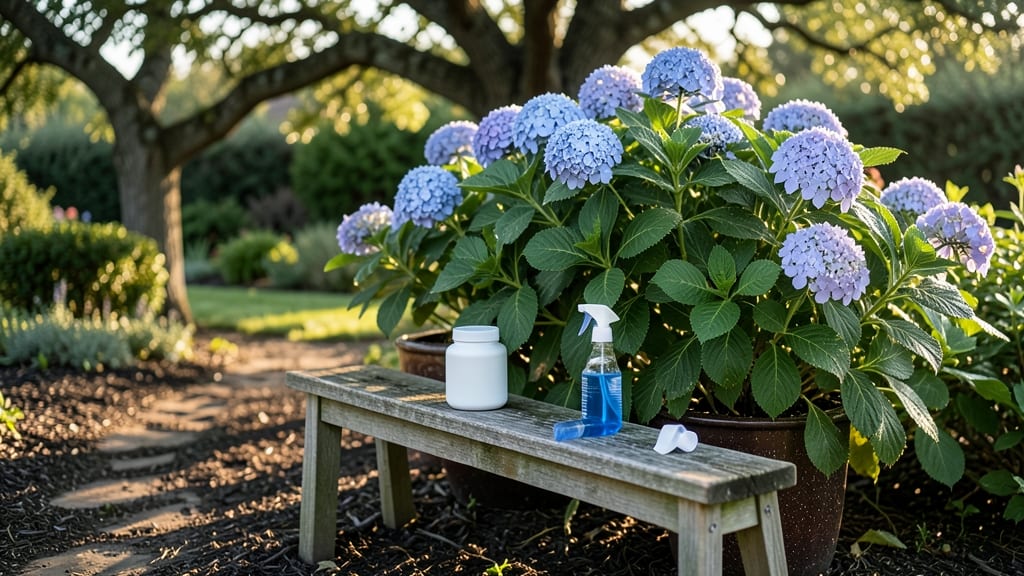
Baking soda on hydrangeas can transform blue blooms to pink by increasing soil pH, but excessive use may permanently alter soil chemistry and stress the plants. Always dilute carefully and test soil regularly.
Hydrangeas are famously sensitive to soil pH, and baking soda's alkaline properties can shift that balance dramatically. 🌸 When applied correctly, it triggers a chemical reaction that modifies the anthocyanin pigments in the petals, shifting colors from blue to pink or purple.
However, this process requires precision—too much baking soda can make the soil inhospitable for your plants, leading to yellowing leaves or stunted growth.
I recommend starting with just 1 teaspoon of baking soda per gallon of water and applying it only once or twice per season while keeping a close eye on your hydrangeas' response.
For those who want to experiment safely, I suggest testing your soil's current pH before making any changes. Most hydrangeas thrive in slightly acidic to neutral soil (pH 5.5-6.5), so even minor adjustments can produce stunning color shifts.
If you notice new growth turning yellow or the leaves curling, it's a clear sign the soil has become too alkaline. In that case, you'll need to amend the soil with organic matter like peat moss or compost to restore balance.
💡 In This Article
- How Baking Soda Alters Hydrangea Bloom Colors
- Safe Application Methods for Baking Soda on Hydrangeas
How baking soda alters hydrangea bloom colors
The magic behind hydrangea color changes lies in the plant's natural chemistry. Hydrangeas produce pigments called anthocyanins, which determine flower color. In acidic soil (pH below 6.0), these pigments appear blue, while alkaline conditions (pH above 7.0) shift them toward pink or purple.
Baking soda, being highly alkaline (pH 8-9), acts like a chemical switch when dissolved in water and applied to the soil. 🌸 When you sprinkle this solution around your hydrangeas, the sodium bicarbonate molecules gradually raise the soil's pH level, creating an environment where blue anthocyanins can't form as easily.
Here's what happens at the molecular level: the increased alkalinity disrupts the iron availability in the soil. Blue hydrangeas rely on high iron levels to produce their characteristic color, while pink varieties thrive when iron is less available.
This isn't just about color—it's about how the plant's chemistry responds to its growing environment. The transformation typically becomes visible within 4-6 weeks as new blooms emerge, giving you a stunning visual effect without changing the plant itself.
What most gardeners don't realize is that this color change isn't permanent unless you maintain the altered pH. The soil's natural buffering capacity means it will gradually return to its original acidity level over time, especially with rainfall.
This is why many gardeners find their hydrangeas revert to blue after just one season. For lasting results, you'll need to monitor and adjust the pH regularly, which brings us to the importance of proper application techniques.
The color shift works best with hydrangea macrophylla varieties (like 'Endless Summer' or 'Nikko Blue'), which are particularly sensitive to pH changes.
Other types, such as oakleaf or panicle hydrangeas, may show minimal color variation regardless of soil pH. This is because their pigment chemistry differs slightly—they produce different types of anthocyanins that aren't as pH-sensitive. Always check your specific hydrangea variety before attempting this color transformation.
An interesting side effect of raising soil pH is how it affects other aspects of plant health. While the color change is visually dramatic, the increased alkalinity can also reduce the availability of essential nutrients like phosphorus and manganese.
This is why you might notice slightly slower growth or less vibrant foliage alongside those pink blooms. The trade-off is often worth it for the stunning color display, but it's something to watch for in your garden's overall health.
For those who want to experiment with color changes, consider starting with just 1 teaspoon of baking soda per gallon of water applied directly to the soil surface. This gentle approach gives you time to observe how your specific hydrangeas respond without risking permanent soil damage.
Remember that the goal is gradual change—think of it as giving your hydrangeas a temporary "makeover" rather than a permanent transformation.