
Plants
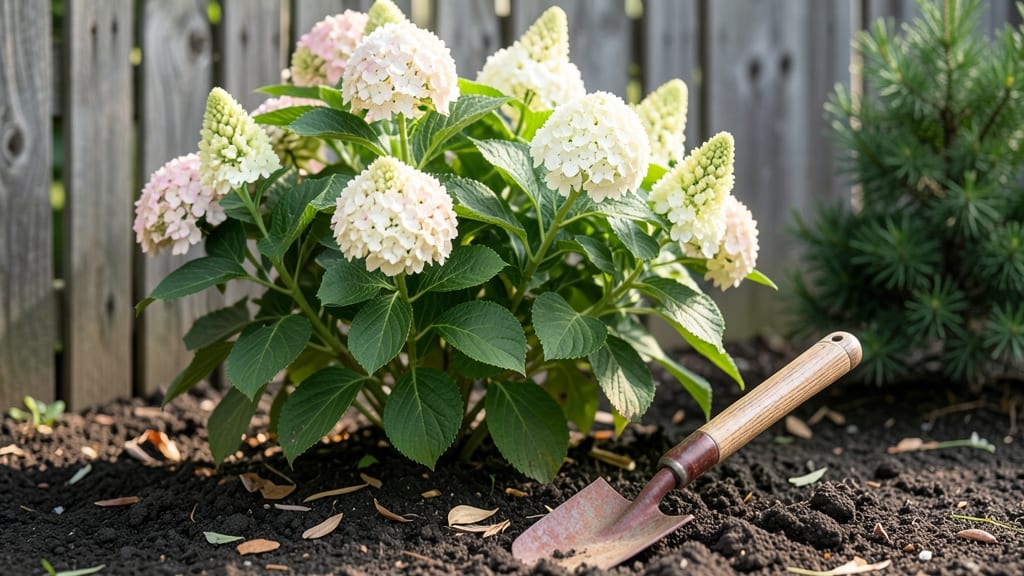
The best time to plant Limelight hydrangeas is early spring—USDA Zones 3-9—when soil warms to 60°F (15°C) and frost risk fades, ensuring strong root establishment before summer heat. Fall planting (6-8 weeks before first frost) also works in mild climates like Zones 8-9 for fall blooms next year.
The ideal planting window aligns with your local climate's last frost date, giving young roots time to settle before summer's intensity. 🌱 In colder Zones 3-5, aim for April when soil temperatures consistently reach 60°F—this prevents transplant shock.
Meanwhile, Zones 6-9 can plant as early as March, though fall is equally viable if you're in Zones 8-9 and want blooms the following autumn. The key is avoiding extreme heat or cold during establishment.
Limelight hydrangeas thrive when planted in well-draining soil with a pH between 5.5-6.2 for optimal blue blooms (though they tolerate slightly higher pH for pink flowers). I always recommend amending the soil with compost before planting to improve moisture retention, which is critical during their first growing season.
Mulching with 2-3 inches of organic matter helps regulate soil temperature and conserve water.
💡 In This Article
- How USDA Zones Dictate Limelight Hydrangea Planting Timing
- Preparing Soil and Planting Steps for Limelight Hydrangeas
How USDA Zones dictate Limelight hydrangea planting timing
The science behind planting timing revolves around two critical factors: soil temperature and frost risk. Limelight hydrangeas need soil to reach 60°F (15°C) for optimal root growth, as this activates microbial activity that breaks down organic matter into nutrients.
In colder Zones 3-5, this typically occurs in late April, while Zones 6-7 can plant as early as March when soil warms. The 10°F (5.5°C) soil threshold is the absolute minimum for safe planting—below this, roots risk cold damage from lingering winter chill.
Frost risk creates the biggest variation between zones. In Zone 3, where last frosts can occur as late as May 10, planting after May 15 ensures safety.
Meanwhile, Zone 9's first frost often arrives in November, giving gardeners a 6-8 week window for fall planting (September-October) to establish roots before winter. The key difference is that spring planting focuses on avoiding frost, while fall planting leverages cooler temperatures to reduce transplant shock before summer heat arrives.
What most gardeners overlook is how day length affects dormancy cycles. Limelight hydrangeas planted in fall (Zones 8-9) enter a natural dormancy period during winter, then break dormancy in spring when days lengthen. This explains why fall-planted bushes often bloom earlier the following year—approximately 2-3 weeks ahead of spring-planted specimens.
The plant's internal clock (circadian rhythms) synchronizes with seasonal light changes, making timing as critical as temperature.
For precise planning, use your local USDA Plant Hardiness Map to find your exact zone, then check the National Weather Service's frost calendar for your region.
For example, Chicago (Zone 5) has an average last frost of April 20, while Atlanta (Zone 8) can plant safely until October 15 for fall blooms. The 30-day rule applies: never plant when nighttime temperatures dip below 50°F (10°C) for more than 3 consecutive nights.
Climate anomalies like El Niño or La Niña can shift these windows by 2-4 weeks, so always monitor 7-day soil temperature forecasts (available through local agricultural extensions).
In my Zone 6 garden, I've seen early springs push planting to March 15 one year, while late springs delayed it until May 1 the next. This variability is why professional growers often plant 2-3 weeks earlier than recommended dates to account for unpredictable weather patterns.
One surprising fact is how container planting extends the growing season. Potted Limelight hydrangeas can be planted 4-6 weeks later than in-ground plants because containers warm up faster in spring and can be moved to sheltered locations during late frosts.
The trade-off is that container roots dry out 30-50% faster than in-ground roots, requiring daily watering during establishment.
Remember: the goal is to give your Limelight hydrangea a 6-8 week head start before summer's peak heat (when soil temps exceed 80°F/27°C). This window allows roots to establish a 4-6 inch deep network before the plant focuses on foliage and bloom production. 🌿