
Pruning
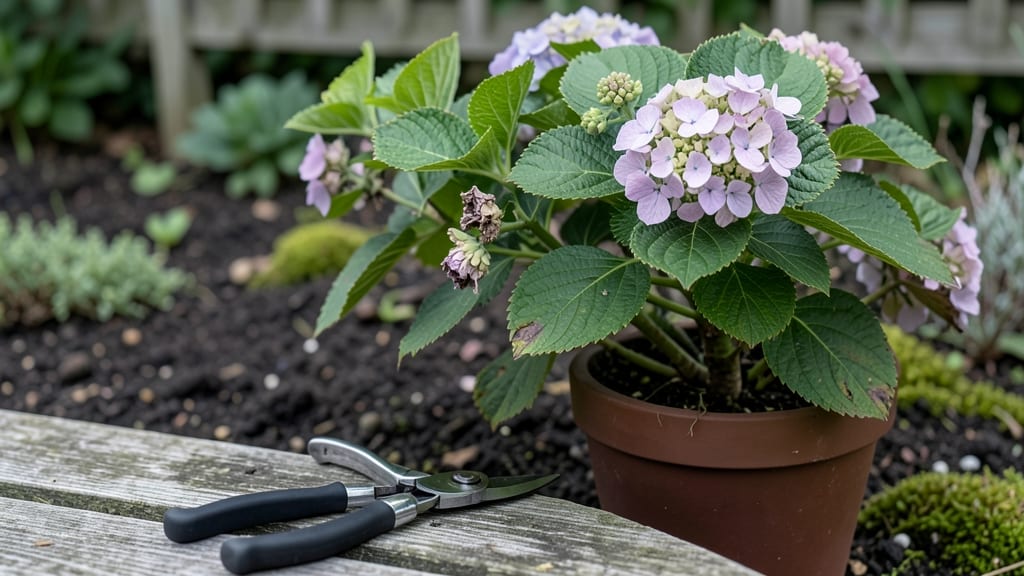
Pruning hydrangea bushes at the right time is the key to bigger blooms and healthier growth, and late winter is when most varieties need attention.
Picture this: you’ve just trimmed your 🌸 hydrangeas in early spring, only to realize the buds never opened. Or worse, you pruned too late and lost next year’s flowers. Timing matters more than you think—and getting it wrong can mean fewer blooms or even no flowers at all.
Most hydrangeas bloom on old wood, which means last year’s growth sets the stage for this summer’s showstopping blooms. Pruning too early risks cutting off next year’s flowers, while waiting too long can stunt growth.
The sweet spot? Late winter, after the worst frost has passed but before buds swell—typically February or March in Zone 6a.
In this guide, I’ll walk you through the exact steps for dormant-season pruning, how to tell when your hydrangeas are ready, and the one mistake that kills blooms every year.
Whether you’re dealing with mopheads, panicles, or oakleaf varieties, you’ll learn how to prune for maximum impact—without sacrificing next season’s flowers.
Why late winter is the best time to prune hydrangeas for maximum blooms
Hydrangeas follow a natural dormancy cycle that makes late winter the perfect time to prune. When temperatures drop and growth slows, the plant conserves energy, allowing you to shape its structure without stressing it.
This dormant period—typically between January and March—lets you remove dead wood while preserving next year's blooms.
Pruning at this time ensures you don’t accidentally cut off flower buds that form on old wood (like mophead hydrangeas). The key is waiting until after the last hard frost but before new growth begins.
This window gives your hydrangea a head start on spring growth, leading to bigger, healthier blooms.
Here’s why late winter works best for most hydrangea varieties, including mophead, oakleaf, and bigleaf types. The summary table below breaks down the science and timing for optimal results.
| Hydrangea Type | Best Pruning Time | Why It Works |
|---|---|---|
| Mophead (Bigleaf) | Late winter (Feb–March) | Flowers form on old wood—prune after last frost to avoid cutting off buds. |
| Panicle (e.g., 'Limelight') | Late winter OR summer | Flowers on new wood—can prune late winter for shape or summer after blooming. |
| Oakleaf | Late winter (Feb–March) | Old wood bloomer—prune to remove dead stems and encourage new growth. |
| Smooth (e.g., 'Annabelle') | Late winter (Feb–March) | Old wood bloomer—prune to rejuvenate and prevent overcrowding. |
The scientific reason behind late winter pruning lies in hormonal shifts during dormancy. When hydrangeas enter dormancy, their auxin hormones (which regulate growth) drop, making them less sensitive to pruning stress. This allows you to reshape the plant without triggering excessive new growth or shock.
For mophead hydrangeas, which bloom on last year’s wood, late winter pruning removes dead stems while leaving buds intact. These buds, already formed, will develop into next year’s showstopping blooms. Skipping this step risks cutting off potential flowers before they even form.
Conversely, panicle hydrangeas (like 'Limelight') are exceptions—they bloom on new wood, so you can prune them late winter or summer. However, late winter still offers the advantage of cleaner, healthier growth by removing winter-damaged branches early.
Regional climate plays a role too. In warmer zones (Zones 8-10), hydrangeas may start budding as early as January, so prune by late January to avoid cutting off new growth. In colder zones (Zones 3-6)March after the last frost.
One critical mistake is pruning too late—after buds swell but before blooming. This forces the plant to redirect energy to healing cuts instead of flowers. Always check for swollen buds before pruning; if you see them, wait a few weeks.
Late winter pruning also boosts air circulation, reducing fungal diseases like powdery mildew. Open centers allow sunlight to penetrate, encouraging denser foliage and larger blooms. Pair this with a light spring fertilizer (like 10-10-10) to fuel new growth.
Think of late winter pruning as a reset button for your hydrangeas. By removing dead wood and shaping the plant while it’s dormant, you’re setting the stage for a season of vibrant, abundant blooms—not to mention a neater, healthier shrub all year round. 🌸
Step-by-step late winter pruning guide: when and how to trim for bigger flowers
Late winter is the perfect window to prune hydrangea bushes for bigger, healthier blooms next season. This is when your plants are dormant but before new growth begins—typically February to early March in most US climates.
The key is to act after the last hard frost but before buds swell, usually by mid-March in USDA Zone 6a.
Why does timing matter so much? Pruning at the wrong time—like summer or fall—can remove next year’s flower buds or stress your plant. Mophead and bigleaf hydrangeas (the most common types) bloom on old wood, so you’ll focus on shaping and rejuvenation, not cutting back hard.
Let’s get started with the right tools and steps to maximize your blooms.
✂️ Step-by-Step Late Winter Pruning for Hydrangeas
- 1 Gather your tools: Clean, sharp pruners (or loppers for thicker stems), disinfectant (rubbing alcohol), gloves, and a bucket for clippings.
- 2 Inspect your plant: Look for dead, diseased, or crossing branches. These are your first targets—remove them first to improve airflow.
- 3 Shape the bush: Cut back overlapping or weak stems to the nearest outward-facing bud. Aim for an open center to prevent fungal issues.
- 4 Rejuvenate old growth: For overgrown bushes, cut back 1/3 of the oldest stems to the ground. This encourages new, vigorous growth and bigger blooms.
- 5 Clean up: Dispose of clippings (don’t compost diseased ones) and sterilize tools with rubbing alcohol to prevent spreading diseases.
- 6 Fertilize lightly: Apply a balanced fertilizer (10-10-10) in early spring to support new growth and flower production.
Pro tip: If your hydrangeas are panicle types (like ‘Limelight’ or ‘Little Lime’), they bloom on new wood, so you can prune harder in late winter—even cutting back to 1/2 their height.
But for mophead and bigleaf varieties, never prune old wood—you’ll sacrifice next year’s blooms!
After pruning, your hydrangeas will thank you with lush, fuller growth and showstopping summer flowers. Just remember: less is more—avoid over-pruning, which can stress your plant. If you’re unsure about a cut, leave it—you can always trim more next year.
Now grab your pruners and give your hydrangeas the care they deserve for a bloom-filled season! 🌸