
Flowers
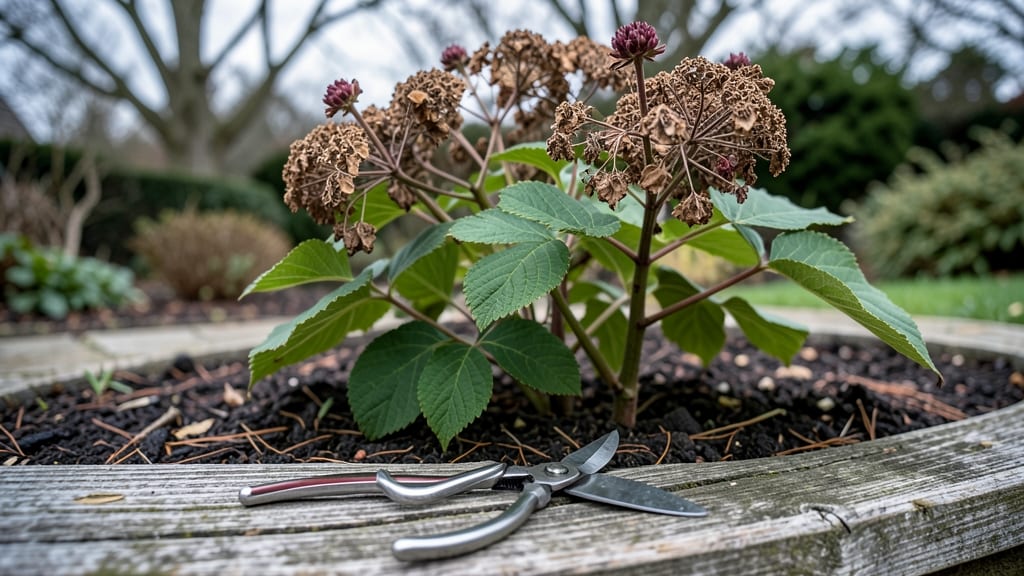
Cutting dead hydrangea flowers isn't just about tidying up—it’s the secret to next year’s showstopping blooms. ✂️ I’ve learned the hard way that skipping this step means fewer flowers and leggy plants.
The right timing and technique make all the difference, whether you’re dealing with last year’s spent blooms or shaping your shrub for spring. Most people wait until late winter or early spring, but fall is actually the best time to prune dead flowers—just after they’ve faded.
This gives new growth a head start before winter sets in. Use clean, sharp pruners and cut back to the first set of healthy leaves or buds, never into bare wood. A little precision now saves you from over-pruning later.
You’ll end up with a bushier plant that blooms earlier and more abundantly than ever before. The shape stays neat, and you avoid those sad, bare stems that ruin the look. Plus, it’s easier to spot pests or diseases when you’re pruning regularly.
For those who hate winter chores, focus on cutting back in late winter before new growth starts. Just avoid pruning in fall for varieties like Endless Summer—those need a different approach. Here’s how to do it right!
📚 In This Guide
- What you need
- Instructions
- Tips and common mistakes
- Wrapping up and next steps
What you need
- ● Clean, sharp pruning shears – Bypass pruners (4-6 inches) or loppers (for thicker stems) – 1 pair (or 1 pair + 1 loppers if needed)
- ● Disinfectant (rubbing alcohol or bleach solution) – 70% isopropyl alcohol or 1 part bleach to 9 parts water – Small spray bottle or cloth
- ○ Gloves (optional but recommended) – Garden gloves (nitrile or leather) for protection – 1 pair
- ● Trash bag or bucket – For collecting dead blooms and debris – 1-2 medium-sized
- ● Sharpie or permanent marker – For marking stems if needed (e.g., for future reference) – 1
- ● Hand pruners (smaller than loppers) – For delicate trimming between larger cuts.
- ● Pruning saw – If dealing with very thick, woody stems.
- ● Garden kneeler or stool – For comfort when working close to the ground.
- ● Hydrangea fertilizer – To give your plant a post-prune boost (apply after cutting).
- ● Mulch – To protect the base of the plant after pruning.
Instructions for cutting dead hydrangea flowers
Here's my go-to method for keeping hydrangeas lush and blooming season after season.
✂️ Step 1: Identify Dead Flowers and Dormant Buds
Start by examining your hydrangea clusters. Dead flowers will be brown and crispy, while dormant buds appear as small, firm bumps hidden among the stems. I like to run my fingers through the blooms first—anything that crumbles between my fingers is ready to go. For mophead and bigleaf varieties, look for the round, green buds that form at the base of last year's blooms.
This is the moment that matters: don't cut into those green buds! They're next year's flowers. Only remove the brown, woody stems that have already bloomed. If you're unsure, wait until late winter when all dead blooms are clearly visible against bare stems.
✂️ Step 2: Make Clean Cuts at the Right Spots
Use clean, sharp pruners to cut just above the first set of healthy buds or leaves. For most hydrangeas, this means cutting back to a 45-degree angle about ¼ inch above the bud. This angled cut helps water run off and prevents rot. I always make my cuts at the node where branches meet the main stem—this encourages new growth from that exact spot.
Don't overthink the shape—hydrangeas are forgiving. For leggy stems, you can cut back further to just above a strong bud, but never remove more than ⅓ of the plant's total growth in one season. Watch for new growth emerging from the cut areas within 2-3 weeks—that's your signal you cut in the right place.
✂️ Step 3: Clean Up and Prepare for New Growth
After pruning, gather all the cuttings and dispose of them properly. Don't leave dead blooms on the ground—they can harbor pests and diseases. I like to use the cuttings as mulch for my vegetable garden, but only if they're completely dry and disease-free. Once your hydrangea is pruned, give it a light feeding with a balanced fertilizer (10-10-10) to encourage strong new growth.
Water deeply after pruning to help the plant recover. You'll notice fresh, green leaves emerging from the cut areas within 2-3 weeks. This is when you can start thinking about summer care—like providing consistent moisture and protecting from harsh afternoon sun if needed.
Tips & tricks for pruning hydrangeas like a pro
Let me save you from the common mistakes I made while learning how to keep my hydrangeas thriving year after year.
Timing is Everything: For mophead and bigleaf varieties, the best time to prune is in late winter or early spring before new growth begins. This timing ensures you're not accidentally cutting off next year's blooms. If you see green buds forming at the base of last year's stems, wait until they're clearly visible against bare branches—usually by February or March in most climates. I learned this the hard way after accidentally pruning too early and losing potential blooms!
The 45-Degree Angle Secret: When making your cuts in Step 2, that 45-degree angle about ¼ inch above the bud isn't just for show—it helps water run off the cut and prevents rot. Use your pruners to make clean cuts right at the node where branches meet the main stem. This encourages new growth to emerge from exactly that spot. I always test my pruners on a scrap piece of wood first to make sure they're sharp enough for clean cuts.
Don't Over-Prune: Remember the ⅓ rule mentioned in Step 2—never remove more than one-third of the plant's total growth in one season. Hydrangeas are resilient, but drastic pruning can stress the plant. For leggy stems, you can cut back further to just above a strong bud, but always leave plenty of healthy growth. I've seen people over-prune and end up with sparse blooms the following season—don't make that mistake!
Post-Pruning Care: After you've finished pruning, give your hydrangea a light feeding with a balanced fertilizer (10-10-10) to encourage strong new growth. Water deeply right after pruning to help the plant recover. You'll know you did it right when you see fresh, green leaves emerging from the cut areas within 2-3 weeks. This is your plant's way of saying "thank you" for the proper care!
Pro Tips for Cutting Dead Hydrangea Flowers
- Let me save you from the common mistakes I made while learning how to keep my hydrangeas thriving year after year.
- Timing is Everything: For mophead and bigleaf varieties, the best time to prune is in late winter or early spring before new growth begins.
- The 45-Degree Angle Secret: When making your cuts in Step 2, that 45-degree angle about ¼ inch above the bud isn't just for show—it helps water run off the cut and prevents rot.
Frequently asked questions
When is the best time to cut dead hydrangea flowers?
For non-reblooming hydrangeas (like Bigleaf or Oakleaf), prune spent blooms in late winter or early spring (before new growth starts). For reblooming types (e.g., Panicle or Annabelle), wait until spring after flowering—or lightly trim just the dead heads in fall to encourage next year’s blooms.
Do I cut all the dead flowers off, or just some?
It depends! For non-rebloomers, cut back all dead stems to a bud eye (a swollen bump near the base). For rebloomers, trim only the faded blooms—leave the stems intact to support next year’s flowers. Pro tip: Use sharp shears to avoid tearing stems!
What if I cut too late? Will my hydrangeas still bloom?
Don’t panic! If you prune after the first frost or too late in spring, you might miss this year’s blooms—but your hydrangea’s roots and structure stay healthy. Focus on next year’s growth by pruning correctly in late winter/early spring. Some varieties (like Panicle) even bloom on new wood, so they bounce back faster!
Can I use the cut flowers for anything else?
Dried hydrangea blooms
make stunning centerpieces or potpourri. Hang them upside-down in a dry, dark place for 2–4 weeks. You can also compost the clippings (remove any diseased parts first) or use them as mulch around your plants. Win-win!
My hydrangeas look sad after pruning—what went wrong?
If your plant seems leggy or sparse, you might’ve pruned too aggressively. Always leave at least 2–3 healthy buds per stem. If leaves yellow (chlorosis), your hydrangea may need more aluminum (for blue flowers) or balanced fertilizer. Pro tip: Water deeply after pruning to help recovery!
Wrapping up and next steps
Cutting dead hydrangea flowers isn’t just about tidying up—it’s the secret to reviving lush, vibrant blooms year after year. 🌸 With the right tools, timing, and technique, you’ll keep your hydrangeas thriving and full of life. Start small, stay consistent, and watch your garden transform!
Ready to give your hydrangeas the care they deserve? Grab your pruners and get started today! Your future blooms will thank you.