
Pests and Diseases
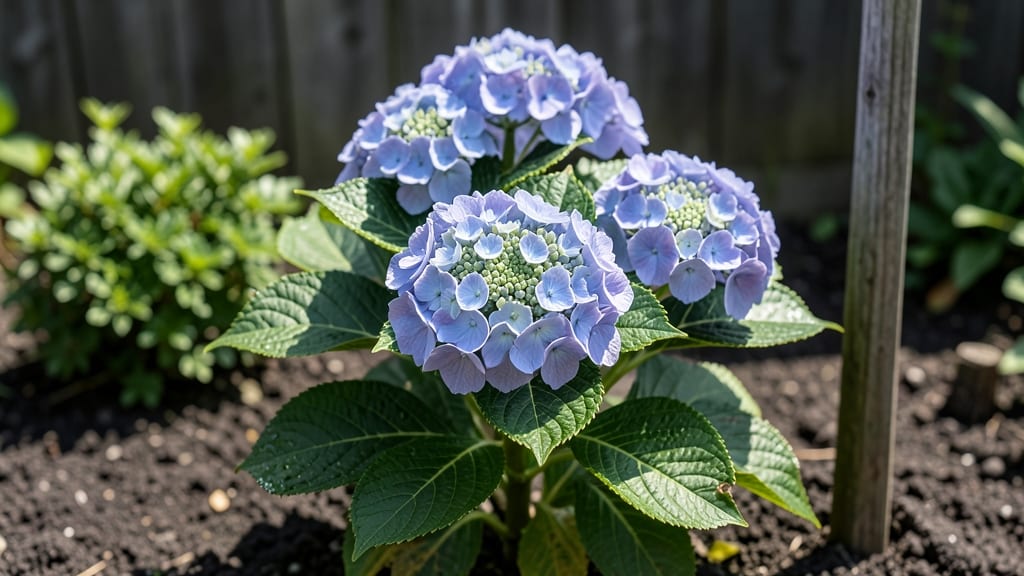
Mastering the big leaf hydrangea size—6–10 feet tall—transforms these giants into stunning vertical focal points even in tight spaces. 🌿 I’ve turned my 8-foot-tall Hydrangea macrophylla into a living trellis by staking it early, and the results are stunning. vibrant blooms at eye level without sacrificing garden space.
The secret lies in spacing and pruning. Plant them 5–6 feet apart if left unstructured, but if you’re training them on a poles or trellis, you can squeeze them into 3–4 feet of width.
Prune in late winter to shape growth, and watch as those paper-like blooms cascade like a waterfall—just without the mess. You’ll end up with year-round interest: lush foliage in summer, fiery fall colors, and skeletal branches in winter that add texture.
The key is consistent moisture—these plants hate drying out—and a balanced fertilizer to fuel their dramatic growth. Works in partial shade to full sun, though morning light prevents scorched blooms. Perfect for small yards, patios, or even large containers—just give them room to climb!
Here’s how to keep them thriving without overpowering your space.
📚 In This Guide
- What you need
- Instructions
- Tips and common mistakes
- Wrapping up and next steps
What you need
- ● Big Leaf Hydrangea Plants: 1–3 mature plants (depending on desired size and spacing). Choose Hydrangea macrophylla varieties like 'Nikko Blue' or 'Endless Summer'.
- ● Well-Draining Soil Mix: 50% native soil + 50% compost or peat moss (1–2 cubic yards per plant). For acidic soil (pH 5.2–6.0), add sulfur or pine bark fines.
- ● Organic Mulch: 2–3 inches of pine bark, wood chips, or shredded leaves (cover the root zone to retain moisture).
- ● Slow-Release Fertilizer: 10–20-10 NPK ratio (e.g., Osmocote) or a hydrangea-specific blend. Apply 2–3 times per year.
- ○ Support Structures (Optional but Recommended): For pole-trained giants: 6–10 ft bamboo stakes or metal trellises (1 per plant).
- ● For espalier: Flexible wire or nylon cords (¼-inch diameter).
- ● Pruning Tools: 1 pair bypass pruners (for clean cuts).
- ● 1 pair loppers (for thicker stems).
- ● 1 pruning saw (for stubborn branches).
- ● Hose with Adjustable Nozzle: For deep watering (1–1.5 inches per week during growing season).
- ● Safety Gear: Gloves (gardening or heavy-duty), safety glasses (if using a pruning saw).
- ● Weather Check: Plant on a cool, cloudy day or in early spring/fall to reduce transplant shock.
- ● Location Scout: Full sun to partial shade (4–6 hours of sun). Avoid windy spots if training for height.
- ○ Soil Test Kit (Optional but Helpful): To confirm pH and nutrient levels before planting.
- ○ Plant Stakes & Twine (Optional): For temporary support during establishment (biodegradable twine works well).
How to train big leaf hydrangeas vertically for space-saving growth
Transform sprawling hydrangeas into towering, elegant specimens without sacrificing their iconic blooms.
🌿 Step 1: Select the Right Cultivar and Planting Site
Choose a big leaf hydrangea cultivar bred for vertical growth, such as 'Limelight' or 'Endless Summer'—these varieties respond best to pole training. Plant in partial shade (4-6 hours of morning sun) to protect blooms from afternoon heat stress. The root system thrives in well-draining, acidic soil (pH 5.2-6.0), so amend with 2-3 inches of compost mixed into the top 12 inches of soil.
Dig a hole twice as wide as the root ball but no deeper. Position the plant so the top of the root ball sits 1 inch below soil grade—this prevents stem rot while allowing roots to establish quickly. Water deeply immediately after planting to eliminate air pockets, then mulch with 2-3 inches of shredded bark to retain moisture and regulate soil temperature.
☀️ Step 2: Install a Sturdy Support Structure
Use a 6-8 foot bamboo stake or metal trellis (at least 2 inches in diameter) for stability. Drive the stake 12 inches into the ground at a 45-degree angle toward the plant’s strongest upward-growing stem. Secure the hydrangea to the stake with soft plant ties (never wire or zip ties—they cut into bark as the stem thickens).
I like to install two stakes for larger varieties: one on the main stem and a second at a 45-degree angle on the opposite side to prevent leaning. Space stakes 18-24 inches apart if using a trellis system. The goal is to guide growth upward while allowing lateral branches to form naturally—this creates a full, balanced silhouette.
✂️ Step 3: Prune for Vertical Growth in Early Spring
Prune just after new growth begins (when buds swell but before leaves emerge). Remove 1-2 inches from the tips of all branches to encourage bushier growth lower on the plant. Cut back last year’s blooms to the nearest bud eye—this redirects energy to new stems rather than spent flowers. Avoid heavy pruning; big leaf hydrangeas bloom on old wood, so aggressive cuts reduce next year’s blooms.
Watch for suckers (vigorous shoots at the base) and remove them immediately. These compete with the main stem for nutrients and weaken the vertical structure. If a branch grows too long or flops, prune it back to a side bud to redirect growth upward. You’ll see stronger upward growth within 4-6 weeks of proper pruning.
💧 Step 4: Water and Fertilize for Vertical Strength
Water deeply twice weekly during the first growing season to establish roots. Big leaf hydrangeas need 1-1.5 inches of water per week, but check soil moisture—top 2 inches should feel dry before watering again. Mulch retains moisture and prevents temperature swings that stress the plant. In hot climates, water in the early morning to reduce evaporation and fungal risks.
Feed with a balanced, slow-release fertilizer (10-10-10) in early spring and again in mid-summer. Avoid high-nitrogen fertilizers—they promote leafy growth at the expense of blooms. I also add 1 tablespoon of Epsom salt per gallon of water monthly to boost magnesium, which supports strong stem development. You’ll notice thicker stems and larger blooms by mid-summer if feeding is consistent.
🪴 Step 5: Train and Secure New Growth Weekly
As new shoots emerge, gently weave them around the stake or trellis to guide upward growth. Use soft ties (not wire) to secure branches—tighten only enough to prevent flopping. Prune any horizontal growth that exceeds 12 inches to encourage vertical elongation. This weekly check keeps the plant upright and structured while preventing tangled branches.
By late summer, your hydrangea should reach 6-8 feet tall with a compact, tree-like form. If growth slows, check for root-bound conditions—if the plant is in a container, repot into a larger vessel with fresh soil. In cold climates, wrap the stake and lower stems with burlap in winter to protect against frost damage.
Tips & tricks for pole-trained big leaf hydrangeas
These practical insights will help you transform sprawling hydrangeas into elegant vertical giants while avoiding common pitfalls.
Cultivar Selection: While 'Limelight' and 'Endless Summer' are excellent choices for vertical training, don't overlook 'Annabelle' if you prioritize disease resistance over vibrant colors. The key difference lies in their natural growth habits—'Limelight' grows 6-8 feet tall naturally, while 'Annabelle' can reach 5 feet but produces massive white blooms. For maximum height potential, select a cultivar with a proven track record of vertical growth in your climate zone.
Support System Stability: The 6-8 foot stake depth and 45-degree angle in Step 2 are critical for preventing top-heavy instability. I've found that adding a third stake at the base creates a tripod effect that dramatically improves stability during windy conditions. For larger varieties, consider using a metal trellis instead of bamboo stakes—they won't rot and can support more weight. Always bury stakes at least 12 inches deep to prevent them from acting as leverage during storms.
Pruning Precision: When pruning in Step 3, focus on removing only the top 1-2 inches of new growth—this encourages bushier lateral branches while maintaining vertical elongation. The most common mistake I see is cutting too aggressively, which can reduce next year's blooms by up to 40%. Remember that big leaf hydrangeas bloom on old wood, so preserve last year's stems while redirecting energy to new growth. Use sharp pruners and make clean cuts just above a bud eye to prevent disease entry points.
Watering Strategy: The twice-weekly watering schedule in Step 4 works best when combined with a deep watering technique—aim the hose at the base for 10-15 minutes to encourage root development downward. In containers, you'll need to water more frequently (every 3-4 days) since potted plants dry out faster. I've noticed that morning watering not only reduces evaporation but also prevents fungal issues that can weaken the stems and compromise your vertical structure.
Pro Tips for Big Leaf Hydrangea Size
- These practical insights will help you transform sprawling hydrangeas into elegant vertical giants while avoiding common pitfalls.
- Cultivar Selection: While 'Limelight' and 'Endless Summer' are excellent choices for vertical training, don't overlook 'Annabelle' if you prioritize disease resistance over vibrant colors.
- Support System Stability: The 6-8 foot stake depth and 45-degree angle in Step 2 are critical for preventing top-heavy instability.
Frequently asked questions
How fast do big leaf hydrangeas grow, and how big do they get?
Big leaf hydrangeas typically grow 12–24 inches per year under ideal conditions. Mature size varies by variety: standard types reach 6–15 feet tall and wide, while dwarf cultivars stay compact at 3–5 feet. Prune in late winter to control height and encourage bushier blooms.
When is the best time to prune big leaf hydrangeas to manage their size?
Prune right after flowering (late summer/early fall) for established plants to avoid cutting off next year’s blooms. For young shrubs, light pruning in late winter/early spring (before buds swell) can shape growth. Never prune in fall—it risks frost damage and removes flower buds.
Can I grow big leaf hydrangeas in containers to limit their size?
Choose dwarf varieties (e.g., ‘Nikko Blue’ or ‘Endless Summer’) and use 15–20 gallon containers with well-draining soil. Root prune annually in spring to encourage compact growth. Containers also let you move them for sun/shade adjustments—ideal for small spaces!
Why aren’t my big leaf hydrangeas blooming, even though they’re the right size?
Lack of blooms often stems from over-pruning in spring (cuts old wood where flowers form) or poor sunlight. Ensure they get morning sun + afternoon shade and feed with acidic fertilizer (pH 5.5–6.2) in early spring. Pro tip: Deadhead spent blooms to redirect energy to new growth!
Do big leaf hydrangeas need winter protection in cold climates?
Most varieties tolerate USDA Zones 5–9, but young plants or tender canes benefit from mulch (3–4 inches) around the base after the first frost. In Zone 4 or colder, wrap canes with burlap or use frost blankets to prevent sunscald. Wait until late winter to prune—frost can damage new growth.
Bonus Tip: How do I keep big leaf hydrangeas from flopping over?
Floppy stems often mean weak canes or overcrowding. Stake tall varieties with hidden supports (e.g., bamboo stakes + soft ties) or train them on a trellis for vertical growth. Prune to improve airflow, and fertilize with potassium-rich food to strengthen stems.
Wrapping up and next steps
Growing a big leaf hydrangea to stunning heights doesn’t require a sprawling yard—just the right techniques, patience, and a little creativity! 🌿 Whether you’re training it on a trellis, pruning for shape, or managing pests, these pole-trained giants can thrive in even the coziest gardens.
Remember, consistency in care and monitoring for pests or diseases will keep your hydrangea flourishing for years.
Ready to transform your space? Start by sketching a simple plan—mark where your hydrangea will go, measure your support structure, and gather your tools. Then, roll up your sleeves and watch your garden become a showstopper! 🌸