Container Gardens
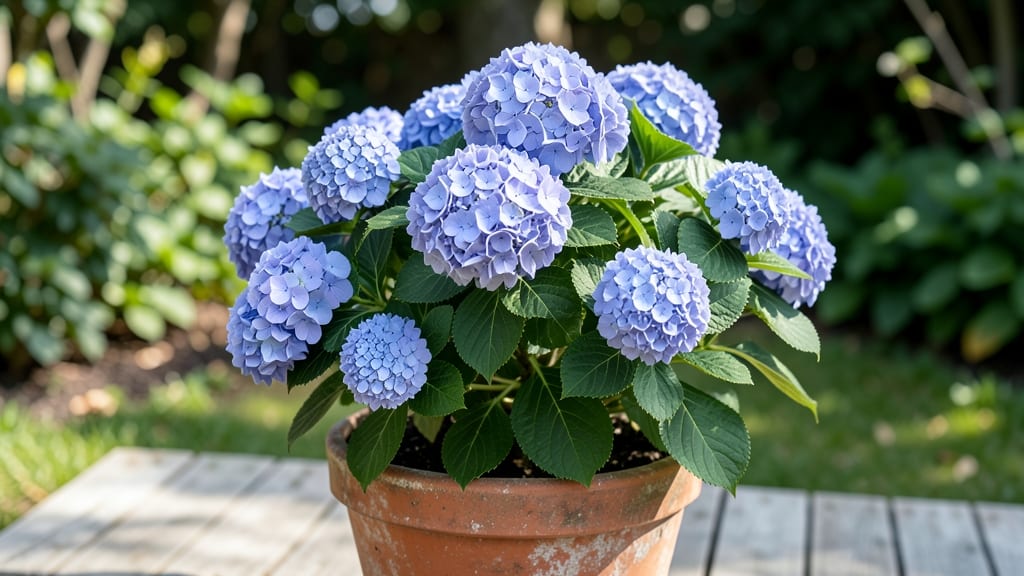
Growing blue hydrangeas in pots lets you enjoy that dreamy, sky-blue bloom anywhere—even on a tiny balcony or front porch. 🌿 The secret lies in the right soil mix, consistent moisture, and a little seasonal TLC that keeps them thriving year after year (yes, even in winter).
My first attempt failed when I used regular potting mix, but after switching to a formula with extra organic matter, those deep blue blooms became my garden's star attraction.
You'll need a 15-20 gallon container with drainage holes, a mix of 50% peat moss or coconut coir, 30% perlite, and 20% compost for that perfect balance of moisture retention and aeration.
Hydrangeas love morning sun and afternoon shade, so a spot that gets 3-4 hours of direct sunlight works best. Water when the top inch of soil feels dry—overwatering is the #1 killer of potted hydrangeas, but underwatering makes those blooms droop faster than you'd think.
By mid-summer, you'll have clusters of vibrant blue blooms that last for weeks, and with the right winter care (like moving pots to a sheltered spot and wrapping them in burlap), they'll bounce back stronger every spring.
The key to keeping that blue hue? A slightly acidic soil (pH 5.5-6.0)—just add a handful of aluminum sulfate if your blooms start turning pink.
Works for any space—city balconies, patio corners, or even as a statement piece on your front steps. The only real rule is to prune in late winter before new growth starts, cutting back last year's stems by about a third. Here's how to make it happen without stress or guesswork!
📚 In This Guide
- What you need
- Instructions
- Tips and common mistakes
- Wrapping up and next steps
What you need
- ● Blue hydrangea plant (preferably Hydrangea macrophylla or Hydrangea serrata varieties like 'Nikko Blue' or 'Endless Summer'). Pro tip: Choose a container-grown plant from a nursery for best results! 🌱
- ● Pot size: At least 12–18 inches in diameter (bigger is better for mature plants). Ensure it has drainage holes—no exceptions! 🚫💦
- ● High-quality potting mix: A well-draining blend for acid-loving plants, like a mix of peat moss, perlite, and compost (or a pre-mixed "azalea/camellia" mix). 3–5 gallons per pot.
- ● Slow-release fertilizer: Look for one formulated for acid-loving plants (e.g., 10-10-10 or 12-4-8 ratio). 1–2 tablespoons per pot at planting time.
- ○ Aluminum sulfate or hydrangea flower color booster: 1–2 teaspoons per gallon of water (for blue blooms). Optional but fun! 🎨
- ● Mulch: 2–3 inches of pine bark or wood chips to retain moisture and regulate soil temperature.
- ● Self-watering pot or moisture meter—hydrangeas love consistent moisture but hate soggy roots! 💧
- ● Epsom salt (1 tablespoon per gallon of water) for extra magnesium (boosts green foliage).
- ● Decorative stones or pebbles for a polished look (place on top of mulch).
- ● Saucer or tray to catch runoff and prevent water damage to patios.
- ● Plant support (e.g., small stakes or cages) if your hydrangea grows tall or leggy.
- ● Sunlight: Partial shade (4–6 hours of morning sun). Avoid harsh afternoon sun in hot climates. 🌞🌳
- ● Watering schedule: Keep soil evenly moist (but not waterlogged). 1–2 times daily in hot weather.
- ● pH level: Aim for 5.0–5.5 (use a soil pH test kit if unsure). Blue blooms need acidic soil!
- ● Winter prep (if in cold zones): Move pots to a protected area or wrap in bubble wrap for insulation. ❄️
Step-by-Step guide to growing blue hydrangeas in pots
Here’s how I keep my blue hydrangeas thriving year after year with minimal effort.
🪴 Step 1: Select the Right Pot and Drainage
Choose a container at least 18-24 inches wide and deep—hydrangeas need room for their sprawling roots. I opt for lightweight ceramic or fiberglass pots with drainage holes; plastic holds too much moisture and risks root rot. If your pot lacks drainage, drill holes in the bottom and add a 2-inch layer of gravel at the base.
For four plants, you’ll need four pots—each should have its own space to prevent competition. Place a saucer beneath each container to catch excess water. The wider the pot, the more stable the plant, especially in windy conditions.
🌱 Step 2: Use Acidic Soil and Amendments
Hydrangeas crave acidic soil (pH 5.2-5.5) for those signature blue blooms. Mix 2 parts peat moss or coconut coir with 1 part perlite and 1 part garden soil to create a well-draining yet moisture-retentive blend. Avoid garden soil alone—it compacts easily and suffocates roots.
Add a handful of sulfur granules to the mix to maintain acidity. I also work in a slow-release balanced fertilizer (10-10-10) at planting time to give roots a nutrient boost. Fill the pot to 2 inches from the rim—hydrangeas need space to establish before they bloom.
☀️ Step 3: Plant and Position for Optimal Light
Dig a hole in the soil mix deep enough to accommodate the root ball without bending the roots. Gently remove the plant from its nursery pot and loosen any circling roots with your fingers. Place it in the hole so the top of the root ball sits 1 inch below the pot’s rim—this prevents water from pooling around the stem.
Position your pots in a spot with morning sun and afternoon shade—hydrangeas tolerate partial shade better than full sun, which can scorch leaves. If you’re in a hot climate, move them to a shaded patio during peak afternoon heat. Water thoroughly after planting to settle the soil around the roots.
💧 Step 4: Water and Maintain Soil Acidity
Water deeply 2-3 times per week, ensuring the top 2 inches of soil stay moist but never soggy. I check moisture by sticking my finger into the soil—if it feels dry past the first knuckle, it’s time to water. Overwatering is the fastest way to kill potted hydrangeas, so always empty saucers after watering.
To keep blooms blue, add aluminum sulfate to the soil monthly during the growing season. Mix 1 teaspoon per gallon of water and apply it to the soil surface. Avoid overdoing it—too much aluminum can harm the plant. Mulch with 2 inches of pine bark to retain moisture and acidify the soil gradually.
✂️ Step 5: Prune and Overwinter for Next Year
Prune spent blooms in late summer to encourage new flowers. I cut back stems to the first set of leaves below the faded blooms—this redirects energy to fresh growth. Avoid heavy pruning in fall; hydrangeas bloom on old wood, so late cuts can reduce next year’s flowers.
Before winter, move pots to a sheltered spot or wrap them in burlap to protect from freezing winds. Reduce watering in fall but keep soil lightly moist. In cold climates, add a 3-inch layer of mulch around the base to insulate roots. With proper care, your hydrangeas will burst into blue again next spring.
Tips & tricks for growing vibrant blue hydrangeas in pots
These insider secrets will help you avoid common pitfalls and keep your potted hydrangeas thriving with that stunning blue hue.
Soil Science Secret: The pH 5.2-5.5 range isn't just a number—it's the magic window for blue blooms. Test your soil mix before planting using a simple pH test kit available at garden centers. I've learned the hard way that even small deviations toward neutral can turn your blue hydrangeas pink! If your mix tests above 5.5, add extra sulfur granules (up to 2 tablespoons per gallon of soil) and re-test after a week.
Root Ball Placement: That 1-inch depth below the pot's rim in Step 3 isn't arbitrary—it creates the perfect drainage-to-moisture balance. When transplanting, use a level as your guide to ensure consistent depth across all pots. Uneven planting leads to water pooling around stems, which causes rot. Pro tip: Gently tap the pot's sides after planting to settle the soil without compacting it.
Watering Wisdom: The 2-3 times per week guideline works for most climates, but your hydrangeas will tell you when they need more. Look for wilting leaves or dry soil 2 inches down as your cues—these plants are surprisingly drought-tolerant once established. I've found that morning watering (before 10am) minimizes evaporation and prevents fungal issues. Always empty those saucers after watering to prevent root suffocation.
Seasonal Transition Strategy: When reducing water in fall (Step 5), don't cut off completely—keep soil lightly moist to prevent root desiccation. I mark my calendar for the first frost date and start tapering water 4-6 weeks before, giving roots time to adjust. For winter protection, add a layer of bubble wrap around the pot before wrapping in burlap—this extra insulation can mean the difference between survival and loss in freezing temperatures.
Pro Tips for Blue Hydrangea In Pots
- These insider secrets will help you avoid common pitfalls and keep your potted hydrangeas thriving with that stunning blue hue.
- Soil Science Secret: The pH 5.2-5.5 range isn't just a number—it's the magic window for blue blooms.
- Root Ball Placement: That 1-inch depth below the pot's rim in Step 3 isn't arbitrary—it creates the perfect drainage-to-moisture balance.
Frequently asked questions
How often should I water potted blue hydrangeas?
Blue hydrangeas (like Hydrangea macrophylla) love moisture but hate soggy roots. Water when the top 1–2 inches of soil feel dry—usually every 2–3 days in summer or 3–4 days in cooler months. Use well-draining pots and saucers to prevent root rot. Pro tip: Mulch the soil surface to retain humidity!
When is the best time to plant blue hydrangeas in pots?
Spring (after the last frost) or early fall are ideal for transplanting. Avoid extreme heat—hydrangeas stress easily when roots are exposed. If buying potted plants, check for lush green leaves and firm stems to ensure they’re healthy. Bonus: Container-grown hydrangeas can even be moved indoors during winter in cold climates!
Why aren’t my potted hydrangeas turning blue?
Blue blooms depend on acidic soil (pH 5.0–5.5). Test your soil with a kit—if it’s alkaline, amend with sulfur or peat moss. Pink flowers? Your soil is likely too alkaline. Also, aluminum in the soil enhances blue pigment, so add aluminum sulfate (follow package instructions) for a deeper hue.
Can blue hydrangeas survive winter in pots?
Yes, but they need protection! Move pots to a sheltered spot (like a garage or porch) before temps drop below 20°F (-7°C). Wrap the pot in bubble wrap or burlap and water sparingly to prevent freezing. In mild climates, a thick layer of mulch and a frost cloth can work too. Warning: Avoid soggy soil—drainage is key!
What’s a good alternative if blue hydrangeas are too high-maintenance?
Try potted oakleaf hydrangeas (H. quercifolia) for hardier blooms or panicle hydrangeas (H. paniculata), which tolerate heat and drought better. For true blue with less fuss, consider blue porter weed (Ageratina)—it’s a tough, low-maintenance annual that thrives in containers!
How do I fertilize potted hydrangeas for maximum blue blooms?
Use a balanced, acid-loving fertilizer (like 10-10-10 or 20-20-20) in early spring and mid-summer. For extra blue, add hydrangea-specific food with aluminum. Avoid over-fertilizing—too much nitrogen = fewer flowers! Pro move: Mix compost into the soil at planting for slow-release nutrients.
Wrapping up and next steps
Growing blue hydrangeas in pots is a rewarding way to bring vibrant color to your space with minimal effort—just remember to prioritize well-draining soil, consistent moisture, and seasonal care.
Whether you’re a beginner or a seasoned gardener, these stunning blooms thrive with the right balance of sunlight, pruning, and winter prep. 🌸
Ready to transform your patio or balcony? Start by choosing the perfect pot and hydrangea variety, then follow the steps above to keep your plant happy year-round. Your future self—and your neighbors—will thank you!