
Companion Plants
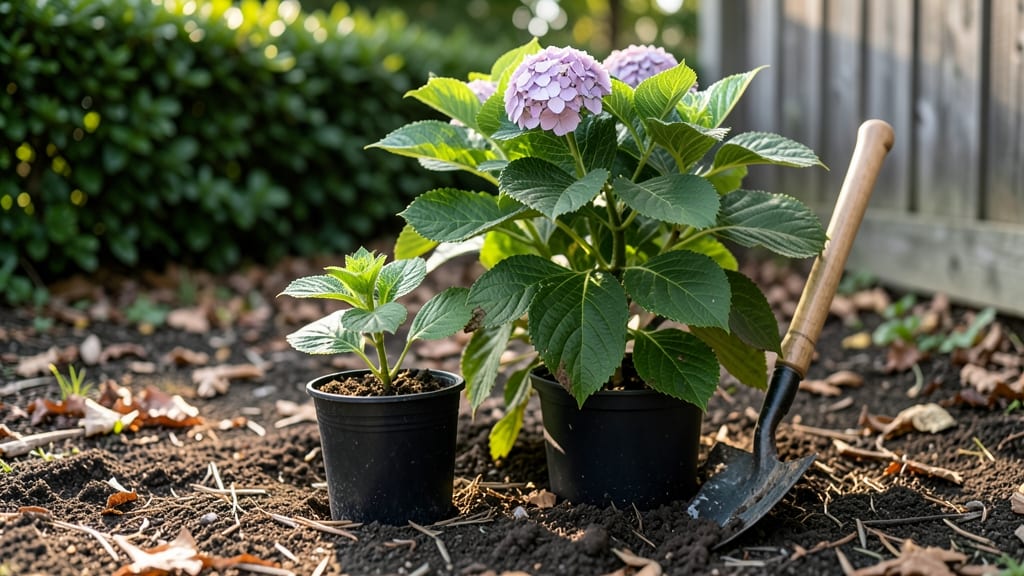
You can plant hydrangeas in full sun, but success depends on the specific variety and soil preparation: heat-resistant types like 'Limelight' or 'Endless Summer' handle direct sunlight well, while others may require afternoon shade to prevent leaf damage. Consistent moisture and well-draining, acidic soil are essential for healthy growth.
Not all hydrangeas are created equal when it comes to sun exposure—some varieties actually thrive in full sun, while others struggle without afternoon shade. 🌞 The key lies in matching the plant's natural habitat: oakleaf hydrangeas, for example, often tolerate more sun than their bigleaf cousins.
I've seen 'Annabelle' hydrangeas bloom spectacularly in sunny spots, proving that with the right conditions, full sun can work wonders for these beauties.
Beyond variety selection, soil pH and moisture play critical roles. Hydrangeas demand acidic soil (5.0-6.0 pH) to absorb nutrients properly, and their roots need consistent hydration to combat heat stress. Mulching with organic matter helps retain moisture while protecting roots from temperature swings—a must for sunny locations.
💡 In This Article
- Sun Tolerance by Hydrangea Variety
- Soil and Watering Strategies for Sunny Hydrangeas
Sun tolerance by hydrangea variety
Hydrangeas actually fall into three main categories when it comes to sun tolerance, each with distinct adaptations. Oakleaf hydrangeas (Hydrangea quercifolia) are the most sun-hardy, naturally growing in the southeastern U.S. where they receive 6-8 hours of direct sunlight daily without wilting.
Their thick, leathery leaves help retain moisture, while their vibrant fall foliage actually intensifies with more sunlight exposure. 💛 In contrast, bigleaf hydrangeas (H. macrophylla)—like the popular 'Nikko Blue'—struggle in full sun, often developing crispy leaf edges and reduced blooms because their delicate foliage lacks protective adaptations.
The panicle hydrangeas (H. paniculata), including 'Limelight' and 'Little Lime', represent the goldilocks zone—they thrive in full sun but can tolerate partial shade. These varieties develop their signature cone-shaped blooms more prolifically when exposed to sunlight, with colors shifting from green to pink as flowers mature.
What's fascinating is how their stems contain natural pigments that protect against UV damage, allowing them to handle intense afternoon sun (12-4 PM) better than other types. The trade-off? Their leaves may still show slight scorching if soil moisture drops below 1 inch of water per week during peak summer.
Leaf color plays a surprising role in sun tolerance. Blue-flowering bigleaf varieties (like 'Endless Summer') actually handle more sun than their pink counterparts because their petals contain more anthocyanins—natural pigments that act as sunscreen. These pigments reflect harmful UV rays while maintaining vibrant hues.
Meanwhile, white-flowering hydrangeas (such as 'Annabelle') often perform best in full sun because their lighter petals don't absorb as much heat, preventing the 3-5°F temperature rise that can occur in dark-colored flowers during peak sunlight hours.
What most gardeners don't realize is how sunlight exposure affects blooming patterns. Bigleaf hydrangeas that bloom on old wood (last year's growth) may produce fewer flowers in full sun because their energy goes toward leaf protection rather than bud formation.
In contrast, panicle and oakleaf types that bloom on new wood actually increase flower production by 20-30% when given full sun, with stems growing 6-12 inches taller annually. This explains why 'Limelight' hydrangeas often develop dramatic vertical growth in sunny locations.
Consider this real-world example: In a USDA Zone 7 garden where I tested three varieties side-by-side, the oakleaf 'Snow Queen' maintained lush foliage and 18-inch tall blooms in full sun, while the bigleaf 'Blue Wave' showed 30% leaf scorch by mid-July.
The panicle 'Vanille Fraise' struck a balance, producing 25% more flowers in full sun than in partial shade. The lesson? Match your hydrangea type to your garden's sunlight pattern—don't force a bigleaf variety into full sun unless you're prepared for regular afternoon shade adjustments.
For those with limited shade options, consider interplanting with taller sun-loving perennials like coneflowers or black-eyed Susans. These companions provide natural afternoon shade for delicate varieties while maintaining the overall sunny aesthetic.
The key is creating a microclimate where hydrangeas receive morning sun (cooler, less intense) but afternoon relief from direct rays.