
Blooming
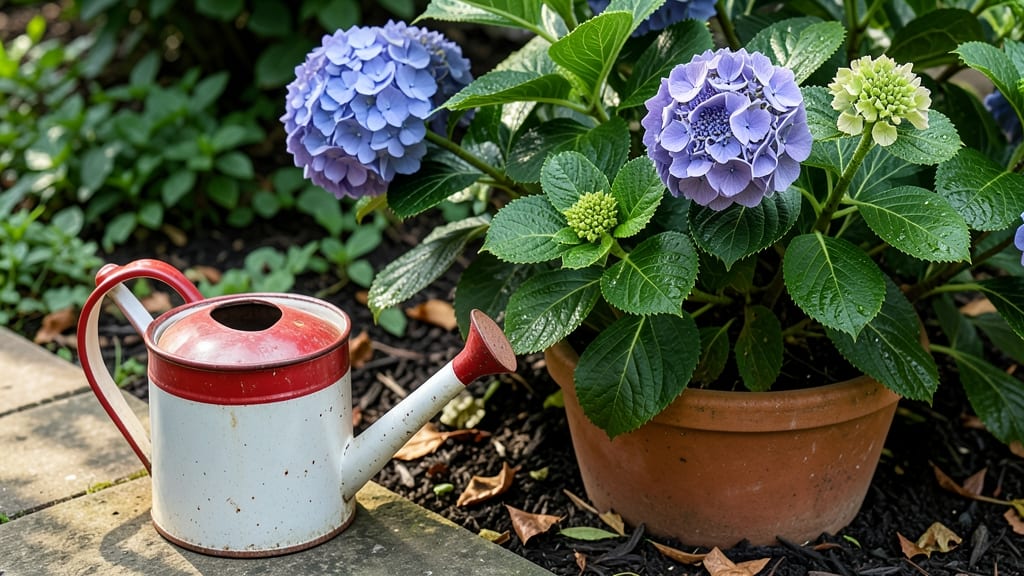
Hydrangeas bloom all summer when you choose the right varieties and care for them properly—no magic involved. 🌸 I've learned that mophead types like 'Endless Summer' produce flowers on old and new wood, while panicle varieties like 'Limelight' rely entirely on fresh growth.
The difference? One keeps blooming, the other gives a flashy show but fades faster.
Most gardeners overlook pruning timing, which is the real secret to extended blooms. Cut back mopheads in late winter to encourage new flower buds, but hold off with panicles until early spring.
A little deadheading also tricks plants into thinking they're still in bloom season—just snip spent blooms back to the nearest set of leaves.
You'll end up with clusters of vibrant blooms from June through September, with colors that shift from green to pink to blue depending on your soil pH. The key is consistent moisture—hydrangeas hate drying out—and a little shade in hot afternoons to keep foliage lush.
Even in partial shade, they'll reward you with months of color.
Works for backyard gardens, containers, or even as a hedge—just adjust watering for your climate. The same principles apply whether you're in a humid Southeast garden or a drier Southwest yard. Let's keep those blooms coming!
Root Causes Of Shortened Blooms
If your hydrangeas are putting on a brief floral show instead of gracing your garden all summer, the issue likely stems from one (or more) of these key factors. Understanding the science behind them will help you troubleshoot—and extend that bloom time!
Hydrangeas, especially mophead and bigleaf varieties, rely on a period of cold temperatures (called vernalization) to trigger bud formation. If your plant didn’t get enough chilly weather in late winter or early spring:
- Bud set fails: Without proper cold exposure (typically 30–60 days below 40°F/4°C), the plant won’t initiate flower buds for the next season. This means no blooms at all—or just a weak, late display.
- Mild winters disrupt timing: Regions with erratic temperature swings (e.g., sudden warm spells in February) can confuse the plant’s internal clock, delaying bloom onset.
- Greenhouse-grown plants: Hydrangeas bought in spring (often from greenhouses) may skip cold exposure entirely, leading to sparse or delayed flowers.
💡 Pro Tip: If you’re in a warm climate (Zones 8–10), plant panicle hydrangeas (like ‘Limelight’ or ‘Little Lime’), which bloom on new wood and don’t require cold stratification.
Timing is everything when it comes to hydrangea pruning. Cutting back at the wrong season can remove next year’s flowers before they form:
| Wrong Time | Why It Backfires |
|---|---|
| Pruning in late fall or winter | Dormant buds (for spring bloomers) are already set—severing stems removes potential flowers. |
| Heavy pruning in early spring (before buds swell) | New growth hasn’t started; you risk cutting off flower buds that haven’t yet emerged. |
| Pruning after blooms fade (for reblooming varieties) | Some hydrangeas (like ‘Endless Summer’) need last year’s stems to bloom. Pruning too late removes next year’s flowers. |
✨ Actionable Fix: For bigleaf and mophead hydrangeas, prune right after blooming (late summer/early fall) to shape the plant without cutting back old wood. For panicle types, prune in late winter/early spring to encourage new growth.
Hydrangeas are thirsty—but too much or too little water can stunt blooms. Here’s how:
- Underwatering:
- Drought stress causes buds to abort (drop off) before opening.
- Soil moisture below 30% triggers abscission (the plant’s way of conserving energy).
- Overwatering:
- Soggy roots suffocate the plant, preventing nutrient uptake (especially phosphorus, critical for flowering).
- Fungal diseases (like powdery mildew) thrive in wet foliage, weakening the plant’s ability to produce blooms.
- Inconsistent moisture:
- Fluctuating water levels confuse the plant’s hormonal signals, leading to bud blast (sudden bud drop).
🌡️ Ideal Fix: Water deeply 1–2 times per week (1–1.5 inches per week), keeping soil evenly moist but not soggy. Use drip irrigation or soaker hoses to avoid wetting leaves (which promotes mildew). Mulch with 2–3 inches of organic matter (like shredded bark) to retain moisture.
Hydrangeas need balanced care—too much or too little of certain inputs can shorten their bloom season:
- Too much nitrogen:
- Excess N (from fresh manure, high-N fertilizers, or overwatering) promotes leafy growth at the expense of flowers.
- Look for lush green leaves but few buds—a classic sign of nitrogen burnout.
- Low phosphorus:
- Phosphorus (the P in NPK) is essential for flower development. Deficiency causes small, weak buds that fail to open.
- Test soil pH—hydrangeas thrive in acidic to neutral soil (5.2–6.2). Alkaline soil locks out phosphorus.
- Poor sunlight:
- Most hydrangeas need partial shade (morning sun + afternoon shade). Too little light = leggy, sparse blooms.
- Too much direct afternoon sun (especially in hot climates) causes buds to scorch before opening.
🎯 Fertilizer Hack: Use a balanced, slow-release fertilizer (like 10-10-10 or 5-10-10) in early spring. For a bloom boost, side-dress with bone meal (high in phosphorus) in late spring.
Now that you know the why behind short-lived blooms, the next step is fixing them—stay tuned!
Revive Your Hydrangeas for Summer-Long Blooms
If your hydrangeas are struggling to bloom all summer, don’t fret—there are simple, effective ways to turn things around. The key lies in understanding the root cause and applying the right fixes.
Below, we’ve mapped out practical solutions for the most common issues, along with prevention tips to keep your hydrangeas thriving.
Hydrangeas are heavy feeders and need rich, well-draining soil to produce abundant blooms. If your plants are underperforming, it’s likely due to a lack of essential nutrients.
🔥 Step 1: Test Your Soil
Before amending, conduct a simple soil test to check pH and nutrient levels. Hydrangeas thrive in slightly acidic soil (pH 5.2–6.0). You can use a home testing kit or send a sample to a local extension office.
🍳 Step 2: Amend the Soil
If your soil is too alkaline or lacks organic matter, mix in:
- Compost or aged manure (1–2 inches worked into the top 6–12 inches of soil).
- Peat moss or pine bark fines (to lower pH naturally).
- Slow-release granular fertilizer (look for one with a balanced NPK ratio like 10-10-10 or a hydrangea-specific formula).
👨🍳 Step 3: Feed Regularly
Apply a liquid fertilizer every 4–6 weeks during the growing season (spring through early summer). For extra blooms, switch to a phosphorus-heavy formula (like 5-10-5) in late spring to encourage flowering.
💡 Pro Tip:
For blue blooms, add aluminum sulfate (follow package instructions). For pink blooms, use lime to raise the pH slightly. Avoid overdoing it—hydrangeas are sensitive to drastic changes!
Hydrangeas need partial shade (morning sun + afternoon shade) but can suffer if they get too much shade or inconsistent water. Adjusting their environment can make a big difference.
🌿 Step 1: Optimize Light Exposure
If your hydrangeas are in a too-shady spot, gradually move them to a location with 3–6 hours of sunlight daily. Avoid harsh afternoon sun in hot climates.
💦 Step 2: Water Correctly
Hydrangeas hate dry soil but also waterlogged roots. Follow this rule:
- Water deeply 1–2 times per week (about 1–2 inches per week, depending on climate).
- Use a soaker hose or drip irrigation to keep moisture even at the roots.
- Avoid wetting the leaves to prevent fungal diseases.
⏰ Step 3: Mulch for Moisture Retention
Spread 2–3 inches of mulch (wood chips or shredded bark) around the base (keep it away from the stem) to retain moisture and regulate soil temperature.
🎯 Prevention Tip:
Group hydrangeas with other thirsty plants (like hostas or ferns) to create a microclimate that stays consistently moist.
If your hydrangeas bloom once and fade, it’s likely due to poor pruning habits. Different types (mophead, panicle, oakleaf) need different approaches.
🔪 Step 1: Identify Your Hydrangea Type
Knowing your variety is crucial:
- Mophead & Lacecap (e.g., H. macrophylla): Bloom on old wood (last year’s growth). Prune right after flowering.
- Panicle & Smooth (e.g., H. paniculata): Bloom on new wood (current year’s growth). Prune in late winter/early spring.
- Oakleaf: Can bloom on both old and new wood. Light pruning after flowering is safest.
🌡️ Step 2: Prune at the Right Time
For mophead/lacecap:
- Wait until late summer/early fall (after blooms fade) to prune dead or weak stems.
- Avoid cutting back more than 1/3 of the plant—this removes next year’s buds.
For panicle/smooth:
- Prune in late winter (before new growth starts) to shape the plant.
- Cut back 1/2 to 2/3 of the oldest stems to encourage new, vigorous blooms.
💡 Pro Tip:
Use sterilized pruners and make cuts just above a leaf node or bud at a 45-degree angle to promote healing.
Pests like aphids, slugs, and spider mites can stress hydrangeas, while diseases like powdery mildew or leaf spot can stunt blooms. Act fast to protect your plants.
🐜 Step 1: Inspect Regularly
Check leaves and stems weekly for:
- Holes or chewed edges (slugs/snails).
- Sticky residue (aphids).
- White powdery coating (powdery mildew).
🧼 Step 2: Treat Naturally
For pests:
- Spray with neem oil or insecticidal soap (follow label instructions).
- Set out beer traps or copper barriers for slugs.
- Introduce ladybugs or lacewings for aphid control.
For diseases:
- Remove infected leaves and dispose of them.
- Apply baking soda spray (1 tsp baking soda + 1 quart water + a drop of dish soap) for powdery mildew.
- Ensure good airflow by spacing plants properly.
✨ Prevention Tip:
Water early in the day so leaves dry quickly, reducing fungal risks. Avoid overhead watering in humid climates.
With these targeted fixes, your hydrangeas should rebound beautifully and keep blooming well into summer. Consistency is key—monitor their progress and adjust care as needed. Happy gardening! 🌸🌿
Frequently asked questions
Why do some hydrangeas bloom all summer while others only bloom once?
It comes down to the plant's growth cycle. Mophead varieties like 'Endless Summer' bloom on both old and new wood, giving them two chances to flower. Panicle types like 'Limelight' bloom only on new growth, so their show lasts about 6-8 weeks. The key is choosing reblooming varieties and proper pruning timing.
Can I make my existing hydrangeas bloom longer?
For mophead types, deadhead spent blooms regularly to encourage new growth. For all varieties, ensure consistent moisture and feed with phosphorus-rich fertilizer in spring. Light pruning after blooming (for old wood types) or in late winter (for new wood types) also helps extend the season.
What's the best way to prune for continuous blooms?
For mophead/lacecap varieties, prune right after flowering to shape without cutting back old wood. Panicle types should be pruned in late winter. Always use clean, sharp tools and make cuts just above leaf nodes. Never prune more than 1/3 of the plant at once to avoid stressing it.
How much sun do hydrangeas need for summer-long blooms?
Most varieties thrive in partial shade with morning sun and afternoon shade. In hot climates, too much direct sun can cause buds to scorch before opening. Container-grown hydrangeas may need afternoon shade protection. The right light balance helps maintain consistent blooming through summer.
Will container-grown hydrangeas bloom as long as garden plants?
Yes, with proper care! Container plants need more frequent watering and may benefit from a slow-release fertilizer. Choose compact reblooming varieties like 'Little Lime' for containers. The key is keeping roots consistently moist and providing afternoon shade in hot climates to prevent bud drop.