
Pruning
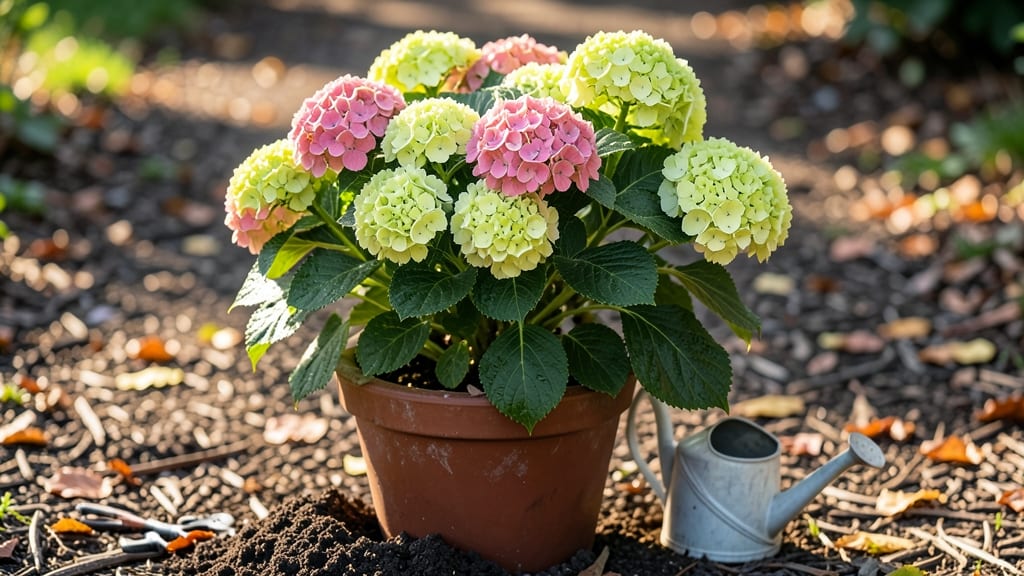
Your Candy Apple Hydrangea could burst into vibrant pink blooms twice a year—if you prune it right. 🌸 I learned this the hard way after my first overzealous pruning session left me with a leggy plant and half the flowers.
The secret isn’t cutting back blindly; it’s understanding when and how to shape it for both strength and showstopping color. This variety thrives in partial shade with moist, well-draining soil, but pruning is what unlocks its full potential.
The right cuts encourage new growth where the flowers form, while avoiding the "bloom on old wood" mistake that kills spring flowers. You’ll see lush foliage and bold blooms by summer—no guesswork required.
Start with clean cuts in late winter or early spring, focusing on removing dead wood and shaping the plant. The goal is to keep it compact and full, not bushy but sparse. A little patience here means double the blooms by midsummer without sacrificing next year’s flowers.
Works for container gardens or in-ground plantings—just adjust the pruning style based on your space. Let’s get those stems trimmed for a show that lasts all season.
📚 In This Guide
- What you need
- Instructions
- Tips and common mistakes
- Wrapping up and next steps
What you need
- ● Pruning shears: A sharp, bypass-style pair (for clean cuts) or anvil-style for thicker stems. Size: 6–8 inches (for most hydrangeas).
- ● Loppers: For thicker branches (½–1 inch in diameter). Quantity: 1 pair.
- ○ Hand pruners: For delicate trimming (optional but handy). Quantity: 1 pair.
- ● Gloves: Heavy-duty gardening gloves (to protect from thorns and sap). Material: Leather or reinforced fabric.
- ● Disinfectant: 70% isopropyl alcohol or a pruning sealant (to prevent disease spread).
- ● Rag or paper towels: For wiping tools between cuts.
- ● Markers or flags: Small plant tags or colored flags (to mark branches for removal).
- ○ Garden twine or zip ties: (Optional) For temporarily securing branches during pruning.
- ● Knowledge: Familiarize yourself with your hydrangea’s growth habit (Candy Apple is a mophead type—prune after blooming for next year’s flowers!).
- ● Weather: Prune on a dry, overcast day (avoid extreme heat or frost).
- ● Compost bin: For disposing of pruned branches (or repurpose as mulch!).
- ○ Pruning saw: (Optional) For very thick stems (>1.5 inches).
- ○ Hydrangea food: (Optional) A balanced fertilizer (10-10-10) to apply post-pruning for a nutrient boost.
Step-by-Step instructions for pruning Candy Apple hydrangeas
Here's how to revive blooms while keeping your plant robust—no guesswork involved.
✂️ Step 1: Identify Bloom Types and Prune at the Right Time
Candy Apple hydrangeas produce blooms on both old wood (last year's growth) and new wood (current season's growth). First, examine your plant: if you see large flower clusters on last year's stems (the thick, woody branches), those are old wood blooms that need gentle care. If you spot smaller blooms on current year's growth, those are new wood blooms that can be pruned more aggressively.
For old wood blooms, wait until after flowering (late summer to early fall) to prune. For new wood blooms, prune in late winter or early spring before new growth begins. I always mark my calendar: "Prune Candy Apple after the last bloom fades" to avoid cutting off next year's flowers.
✂️ Step 2: Remove Dead or Weak Growth First
Start by cutting out any dead, diseased, or crossing branches with clean, sharp pruners. Dead branches snap easily when bent—if a stem breaks before bending, it's dead and should go. Diseased branches (look for black spots, mold, or unusual growths) should be removed immediately and disposed of in the trash, not compost.
Crossing branches compete for nutrients and weaken the plant. Look for stems growing toward each other—cut the smaller or weaker one at its base. This opens up the center of the plant for better airflow and sunlight penetration. I like to step back every few cuts to visualize the plant's shape and ensure I'm not over-thinning.
✂️ Step 3: Shape the Plant for Optimal Bloom Display
Now focus on shaping. For old wood blooms, cut back only the oldest stems by about one-third to encourage new growth while preserving next year's flowers. For new wood blooms, you can be bolder: cut back up to half of the oldest stems to stimulate fresh, vigorous growth. Avoid cutting into the woody base—this can harm the plant's ability to produce flowers.
Step back frequently to check your progress. The goal is a balanced, open shape that lets sunlight reach the center. Candy Apple hydrangeas thrive with good airflow, so avoid creating a dense, bushy center. If you're unsure, imagine the plant as a rounded dome—prune to maintain that silhouette.
☀️ Step 4: Encourage Strong New Growth with Strategic Cuts
After shaping, make two to three additional cuts on select stems to encourage branching. Choose stems that are healthy but not overly vigorous—these will respond best to pruning. Cut just above a leaf node (the bump where leaves attach) at a 45-degree angle. This angle helps water run off, reducing the risk of rot.
Here's the trick: don't prune all stems at once. Spread your cuts across different sections of the plant to avoid shocking it. For example, if you have four main stems, prune two this year and leave the other two for next year. This gradual approach keeps the plant strong and prevents over-pruning, which can stress hydrangeas.
💧 Step 5: Post-Pruning Care for a Strong Recovery
Water deeply right after pruning to help the plant recover. The roots need moisture to support new growth, especially if you've made significant cuts. Apply a slow-release fertilizer (like a balanced 10-10-10) around the base to provide nutrients for the upcoming growing season. Avoid high-nitrogen fertilizers—they encourage leafy growth at the expense of blooms.
Monitor the plant closely in the weeks following pruning. If you notice yellowing leaves or wilting, it could be a sign of stress. In this case, reduce watering slightly and provide light shade for a few days to help the plant adjust. Within 4-6 weeks, you should see fresh, vibrant growth emerging from the pruned stems.
Tips & tricks for pruning Candy Apple hydrangeas
These game-changing insights will help you transform your hydrangea pruning from guesswork to garden artistry.
Timing is Everything: The late summer to early fall window for old wood blooms is critical—don't rush it! I've seen gardeners prune too early and miss next year's spectacular flowers. Mark your calendar right after the last bloom fades, and give yourself a 2-week grace period. For new wood blooms in late winter/early spring, wait until you see the first signs of bud swell before cutting. This ensures you're not removing potential blooms prematurely.
The 45-Degree Angle Secret: When making those strategic cuts in Step 4, pay attention to the angle—it's not just about aesthetics. A proper 45-degree cut above the leaf node prevents water from pooling and reduces rot risk. I use my pruners to make a clean cut, then run my thumb along the edge to verify the angle before releasing. This small detail makes a big difference in plant recovery.
Visual Pruning Cues: Step back every 5-10 cuts to check your progress—literally! Your eyes will spot imbalances your hands might miss. I imagine the plant as a rounded dome, adjusting cuts until it achieves that perfect silhouette. For old wood blooms, aim to preserve at least two-thirds of last year's stems, while new wood blooms can handle more aggressive shaping. The goal is sunlight penetration to the center without sacrificing next year's blooms.
Post-Pruning Stress Signals: After your deep watering and fertilizer application, monitor for yellowing leaves or wilting as stress indicators. These aren't always signs of failure—your plant is simply adjusting to its new shape. Reduce watering slightly if you see these symptoms, and provide light shade for 2-3 days. Within 4-6 weeks, you'll see vigorous new growth emerge from those pruned stems, proving your efforts were worth it.
Pro Tips for Candy Apple Hydrangea
- These game-changing insights will help you transform your hydrangea pruning from guesswork to garden artistry.
- Timing is Everything: The late summer to early fall window for old wood blooms is critical—don't rush it!
- The 45-Degree Angle Secret: When making those strategic cuts in Step 4, pay attention to the angle—it's not just about aesthetics.
Frequently asked questions
Got questions about keeping your Candy Apple Hydrangea thriving with the perfect pruning touch? Here are some of the most common ones—plus expert answers to keep those vibrant blooms coming year after year!
When is the best time to prune Candy Apple Hydrangea?
Prune your Candy Apple Hydrangea right after flowering (late summer to early fall) for best results. This timing ensures you don’t cut off next year’s blooms, which form on old wood. Avoid heavy pruning in spring—focus on shaping and removing dead stems instead.
Should I prune Candy Apple Hydrangea in winter?
Winter pruning is not recommended unless you’re in a harsh climate and need to protect the plant. If you must, wait until late winter or early spring (just before buds swell) and prune lightly. Heavy winter cuts can shock the plant and delay blooming.
What if I prune at the wrong time and my hydrangea doesn’t bloom?
Don’t panic! If you pruned too early (spring) and missed the blooms, focus on light maintenance next year—cut back only dead or overcrowded stems. Over time, your hydrangea will rebound. For immediate results, use bloom-boosting fertilizer in early summer to encourage new growth.
Can I use the same pruning techniques for other hydrangeas?
Nope! Candy Apple Hydrangea (Hydrangea macrophylla) blooms on old wood, so avoid heavy pruning. Other types, like panicle or oakleaf hydrangeas, bloom on new wood and can handle spring pruning. Always check your specific variety before grabbing those shears!
How do I know if I’ve pruned too much?
Watch for these red flags: no buds in spring, leggy growth, or fewer blooms than usual. If you’ve cut back more than 1/3 of the plant, you’ve likely overdone it. Next year, prune only dead stems and shape lightly to encourage a fuller comeback.
Wrapping up and next steps
Ready to transform your Candy Apple Hydrangea into a year-round showstopper?
Pruning isn’t just about trimming—it’s your secret weapon for bigger blooms, stronger stems, and a healthier plant! 🌸 With the right tools, timing, and techniques, you’ll keep those vibrant pink and red flowers popping while ensuring your hydrangea thrives for seasons to come.
Now that you’re armed with expert tips, roll up your sleeves and give your hydrangea the TLC it deserves. Start small—even a single pruning session this season can make a world of difference. Happy gardening! 🌿✨