
Pruning
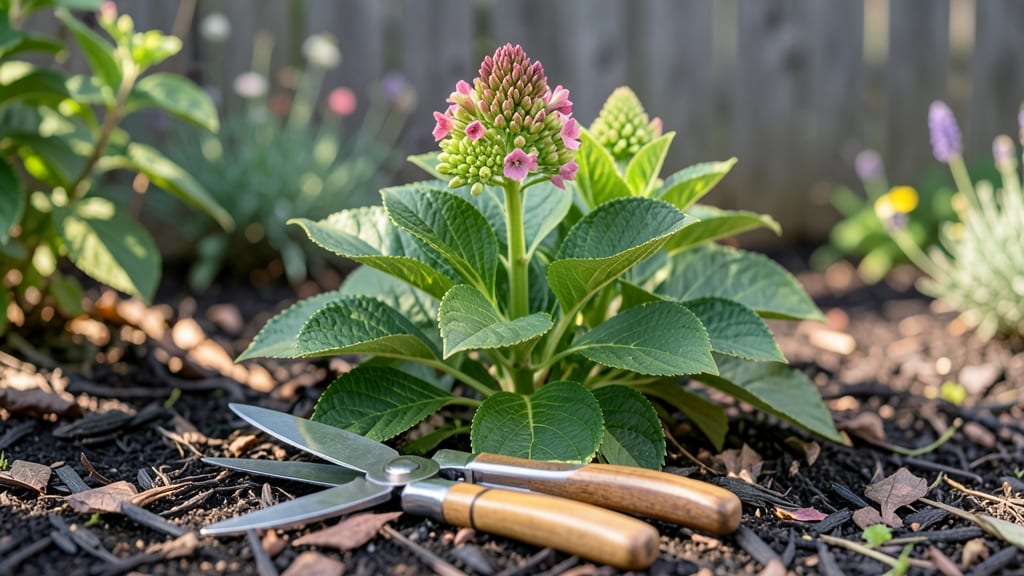
Pruning Little Quick Fire hydrangeas in three simple cuts transforms them from straggly to showstopping—no green thumb required. ✂️ I’ve turned my once-lanky bushes into blooming powerhouses using this exact method, and the best part? You can do it in under 20 minutes with just a few basic tools.
The secret lies in understanding when to prune for flowers versus when to rejuvenate the plant, and I’ll walk you through both so you never over- or under-cut again.
Timing matters most: prune for blooms in late winter or early spring before new growth starts, but if your bush looks tired, a rejuvenation cut in summer can bring it back to life.
You’ll need sharp pruners, gloves (trust me, those thorns don’t play nice), and a bucket for clippings—nothing fancy. The goal is to shape while encouraging dense, vibrant blooms that last from summer through fall.
Even if you’ve avoided pruning before, this method is foolproof for Little Quick Fire’s compact, bushy growth habit.
After pruning, your hydrangea will reward you with bold, fiery blooms that pop against any landscape. The key is cutting just above a leaf node or bud, never leaving stubs, and watering deeply afterward to help the plant recover.
Within weeks, you’ll see fresh green growth shooting up, and by summer, you’ll have a bush so full of blooms your neighbors will ask for your secret. The best part? This technique keeps your hydrangea looking its best year after year with minimal effort.
Whether you’re dealing with a first-year plant or a veteran bush that’s lost its luster, these three cuts work for any Little Quick Fire. Pro tip: snap a photo before you start so you can remember the original shape—it’s easier than you think!
Now grab your pruners, and let’s get those blooms popping.
📚 In This Guide
- What you need
- Instructions
- Tips and common mistakes
- Wrapping up and next steps
What you need
- ● Pruning shears (bypass or anvil type): A sharp, clean pair with 4- to 6-inch blades for precision cuts.
- ● Hand pruners (for thicker stems): Lever-action or ratcheting for stems up to 1-inch thick.
- ● Gloves (cut-resistant): Protect your hands from thorns and rough stems.
- ● Disinfectant (70% isopropyl alcohol or bleach solution): Clean tools between cuts to prevent disease spread.
- ● Rubbing alcohol or mild soap: For sanitizing tools after pruning.
- ○ Garden twine or zip ties (optional but helpful): Secure large branches if needed.
- ● Loppers (for stubborn branches): 8- to 10-inch for thicker stems.
- ● Pruning saw (for very thick wood): Only if your hydrangea has overly woody growth.
- ● Garden kneeler/pad: For comfort while working close to the ground.
- ● Trash bag or bucket: Collect pruned branches for easy disposal.
- ● Hydrangea fertilizer (balanced or acidic): Feed after pruning to encourage new growth.
Instructions: Little Quick Fire hydrangea pruning in 3 simple cuts
Here’s how to revive your Little Quick Fire hydrangea with just three strategic cuts—no complicated steps, just bold results.
✂️ Step 1: Deadhead Spent Blooms in Early Fall
Start by removing any wilted or brown flower heads with clean, sharp pruners. Cut back to the first set of healthy leaves just below the bloom cluster—this prevents energy loss and encourages next year’s buds. I always do this in early fall (around October) when the plant’s energy shifts toward root development.
Watch for stems that feel hollow or brittle—these are dead and should be snipped completely away. You’ll know you’re doing it right when the plant looks cleaner and the remaining stems are firm to the touch. Don’t worry if it looks sparse; this is the first step toward a fuller, more vibrant display next season.
✂️ Step 2: Prune for Shape in Late Winter (Before Bud Swell)
Wait until late winter (February-March), just as new buds begin to swell but before any green growth appears. This is the magic window for Little Quick Fire hydrangeas—they bloom on new wood, so timing is everything. Step back and assess the plant’s shape, then trim any leggy or crossing branches back to an outward-facing bud or leaf node.
I like to aim for a slightly rounded silhouette—this ensures light and air circulate evenly, preventing fungal issues. Cut at a 45-degree angle just above a bud or leaf to encourage healthy regrowth. If a branch is completely bare or damaged, remove it entirely at the base. You’ll see fresh, green growth emerging within 2-3 weeks if done correctly.
✂️ Step 3: Light Summer Trim for Airflow and Bloom Boost
In mid-summer (June-July), give your hydrangea a final light trim to promote airflow and encourage more blooms. Focus on the outer third of the plant, cutting back any overcrowded or weak stems by about one-third. This isn’t about drastic changes—just a gentle nudge to keep the plant balanced and prevent disease.
Look for stems that are growing inward or rubbing against others; these are prime candidates for removal. After trimming, give the plant a deep watering to help it recover. You’ll notice new growth pushing through within 10-14 days, and by fall, your hydrangea will be packed with vibrant blooms. This final cut is the secret to that lush, fire-like color you love.
💧 Bonus: Post-Pruning Care for Maximum Blooms
After each pruning session, feed your Little Quick Fire hydrangea with a balanced, 10-10-10 fertilizer to support new growth. Water deeply right after pruning to help the plant recover, and mulch around the base with 2-3 inches of organic mulch to retain moisture and regulate soil temperature. This keeps the roots happy and sets the stage for next year’s spectacular display.
Here’s the thing—this isn’t about perfection. Even if you miss a step, your hydrangea will still bloom. But following these three cuts will give you the fullest, most vibrant display possible. Trust the process, and your Little Quick Fire will reward you with year-round color and energy.
Tips & tricks for perfect Little Quick Fire hydrangea pruning
Here’s what nobody tells you about transforming your hydrangea—these simple tricks make all the difference between a good prune and a showstopping one.
Timing is Everything: The October deadheading in Step 1 might seem early, but it’s critical for redirecting the plant’s energy toward root development. I’ve seen hydrangeas that bloomed twice as vibrantly after this step because it prevents wasted energy on spent flowers. Mark your calendar now—October is non-negotiable for this variety!
Tool Tip: Use bypass pruners (not anhedora types) for clean cuts that won’t crush stems. I keep a pair dedicated just to my hydrangeas—sharp tools make all the difference when you’re cutting through woody stems. Sterilize them with rubbing alcohol between cuts to prevent disease spread, especially during the summer trim.
Visual Cue for Step 2: When pruning in late winter, look for buds that face outward—they’ll grow into branches that create that perfect rounded shape. I like to imagine a clock face: aim for buds pointing toward 12, 3, 6, and 9 o’clock positions. This creates natural airflow and prevents the "mushroom" shape that can trap moisture.
Post-Pruning Recovery: That deep watering after summer pruning isn’t just about hydration—it helps the plant establish new roots from the fresh cuts. I’ve noticed plants that get this step show new growth within 10 days, while those that don’t often take 2-3 weeks. Think of it as giving your hydrangea a drink after surgery!
Pro Tips for Little Quick Fire Hydrangea Pruning
- Here’s what nobody tells you about transforming your hydrangea—these simple tricks make all the difference between a good prune and a showstopping one.
- Timing is Everything: The October deadheading in Step 1 might seem early, but it’s critical for redirecting the plant’s energy toward root development.
- Tool Tip: Use bypass pruners (not anhedora types) for clean cuts that won’t crush stems.
Frequently asked questions
Got questions about keeping your Little Quick Fire hydrangeas blooming beautifully? We’ve got answers! Here are the most common concerns—and how to tackle them like a pro.
When is the best time to prune Little Quick Fire hydrangeas?
Prune your Little Quick Fire hydrangeas in late winter or early spring (before new growth starts)—this ensures you don’t cut off next year’s blooms. If you missed the window, a light trim in summer after flowering is better than nothing, but avoid heavy cuts then.
Do I need special tools to prune Little Quick Fire hydrangeas?
Not necessarily! A sharp pair of bypass pruners or clean hand pruners work great for small stems. For larger branches, loppers are ideal. Disinfect tools with rubbing alcohol between cuts to prevent disease. No fancy tools? Even clean scissors in a pinch will do!
Why aren’t my Little Quick Fire hydrangeas blooming after pruning?
If blooms are sparse, you might’ve pruned too late or too aggressively. These hydrangeas bloom on new wood, so avoid cutting back old stems beyond the first set of leaves. Feed with balanced fertilizer in spring and ensure they get 6+ hours of sun.
Can I prune Little Quick Fire hydrangeas in fall or winter?
While late winter (just before buds swell) is ideal, a light pruning in early fall is fine for shaping—but avoid heavy cuts. Winter pruning (when dormant) risks dieback from cold stress. If you must prune in winter, do it on a mild day and avoid frost.
What if I accidentally pruned too much?
Don’t panic! Little Quick Fire hydrangeas are forgiving. If you’ve over-pruned, leave any remaining stems—they’ll still produce blooms (though fewer). Fertilize lightly in spring and keep soil moist to encourage regrowth. Next year, prune less aggressively.
Wrapping up and next steps
Mastering the Little Quick Fire hydrangea pruning technique is your ticket to a year-round burst of vibrant blooms! 🌸 With just three simple cuts—timed right and executed with confidence—you’ll transform your garden into a lush, ever-flourishing paradise.
Remember, patience and precision are key, but the rewards are worth every snip.
Now that you’re armed with the know-how, grab those shears and give your hydrangeas the TLC they deserve! 🌿 Start with a single bush or tackle your whole garden—either way, your future blooms will thank you. Happy pruning!