
Flowers
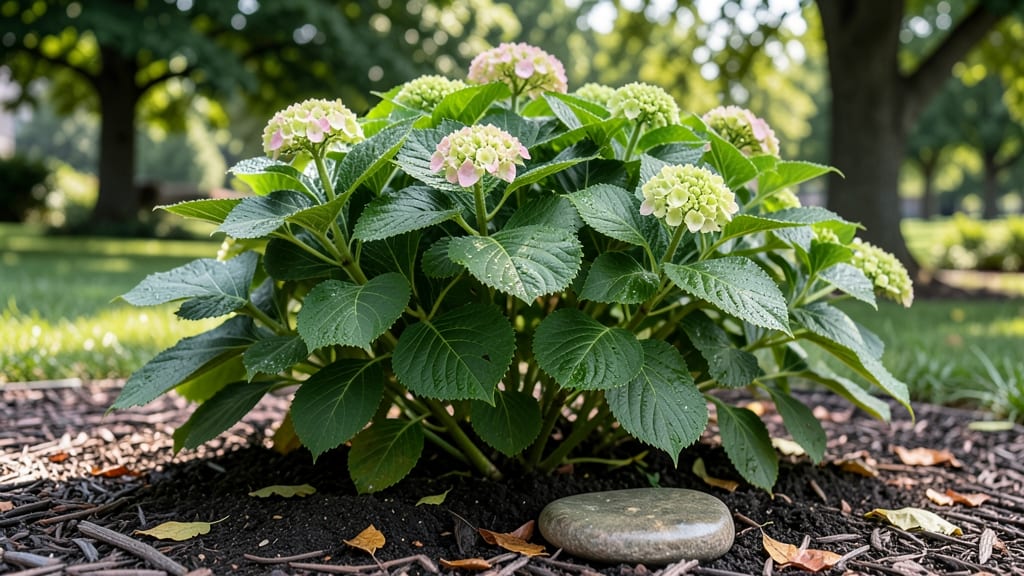
Hydrangeas can thrive with afternoon sun exposure—if you choose the right varieties and care for them properly 🌸.
Struggling to keep your hydrangeas alive in afternoon sun? Many gardeners assume these shade-loving beauties won’t survive, but the right varieties—and a few care secrets—can transform your sunny garden into a lush, blooming paradise.
In hotter climates, afternoon sun can cause leaf scorch and faded blooms, but heat-tolerant types like 'Limelight' and 'Endless Summer' handle it better with the right watering and mulching. Even better, these varieties reward you with vibrant blooms that last all summer.
Below, I’ll cover the best hydrangea types for afternoon sun, how to protect them from heat stress, and the simple tweaks that keep your plants thriving—no wilting in sight.

Best hydrangea varieties that thrive in afternoon sun exposure
Many gardeners shy away from growing hydrangeas in afternoon sun, fearing leaf scorch or faded blooms. But the truth is, some varieties not only tolerate but thrive in those warm, golden hours. The key lies in selecting the right heat-tolerant hydrangea types and providing a few strategic care adjustments.
With the proper variety, your sunny garden can burst with vibrant blooms from summer through fall.
Afternoon sun—typically 1 PM to 5 PM—can deliver intense heat, especially in USDA Zones 7-9. The right hydrangea will handle this exposure by balancing sun tolerance with moisture retention.
Varieties like 'Limelight' and 'Endless Summer' are top performers, but there are others that excel too. Let’s explore the best options and how to choose the perfect fit for your climate.
| Variety | Sun Tolerance | Bloom Season | Color Range | Mature Height | Climate Zone |
|---|---|---|---|---|---|
| 'Limelight' | Full sun to partial afternoon shade | Mid-summer to fall | Lime green to pink | 4-6 ft | Zones 4-9 |
| 'Endless Summer' | Morning sun, afternoon shade (tolerates some sun) | Summer to early fall | Pink, blue, or purple | 3-5 ft | Zones 3-9 |
| 'Nikko Blue' | Partial sun (best with afternoon shade) | Late spring to summer | Deep blue (pH-dependent) | 6-8 ft | Zones 5-9 |
| 'Annabelle' | Full sun to partial afternoon shade | Mid-summer | Pure white | 3-5 ft | Zones 3-9 |
| 'Vanille Fraise' | Morning sun, afternoon shade | Summer to fall | Vanilla cream with pink edges | 3-5 ft | Zones 5-9 |
'Limelight' hydrangeas are one of the most sun-tolerant varieties, making them ideal for afternoon sun gardens. Their large, cone-shaped blooms transition from lime green to pink as the season progresses, adding dynamic color to your landscape. This variety thrives in USDA Zones 4-9 and can handle up to 6 hours of sun daily, provided the soil stays consistently moist.
If you’re looking for a re-blooming hydrangea that can handle afternoon sun, 'Endless Summer' is a standout choice. Unlike traditional hydrangeas, this variety produces two flushes of blooms per season—once in summer and again in fall.
Its flowers change color based on soil pH, giving you the flexibility to create pink, blue, or purple blooms by adjusting your soil’s acidity.
For gardeners in hotter climates (Zones 7-9), 'Nikko Blue' is a stunning option, though it prefers partial shade in the afternoon. Its deep blue blooms are a showstopper, especially when planted near other sun-loving shrubs like butterfly bush or abutilon.
To keep its leaves lush, provide afternoon shade with a lightweight shade cloth or plant it near taller trees that filter the sun.
If you prefer a low-maintenance hydrangea, 'Annabelle' is a fantastic pick. Its pure white blooms create a striking contrast against green foliage, and it tolerates afternoon sun better than many other varieties.
This hydrangea is also disease-resistant, making it a great choice for gardeners who want minimal fuss but maximum impact.
For a whimsical touch, consider 'Vanille Fraise', a panicle hydrangea with delicate, vanilla-scented blooms that blush pink at the edges. This variety handles afternoon sun well, especially in cooler climates (Zones 5-7).
Its compact size makes it perfect for container gardening or small gardens, and its long blooming season ensures color from summer through fall.
When selecting a hydrangea for afternoon sun, consider your local climate and soil conditions. In hot, dry regions, opt for varieties like 'Limelight' or 'Annabelle', which have higher drought tolerance.
In humid climates, 'Endless Summer' or 'Vanille Fraise' will thrive with consistent moisture and afternoon shade. Always amend your soil with organic matter to improve drainage and moisture retention.
To maximize your hydrangea’s success in afternoon sun, plant it in a location where it receives morning sun and afternoon shade. If you must place it in full afternoon sun, mulch heavily with 3-4 inches of organic mulch to keep roots cool.
Water deeply once or twice a week, focusing on the root zone rather than the foliage to prevent leaf burn.
With the right variety and a few care adjustments, your hydrangeas will not only survive but thrive in afternoon sun, rewarding you with vibrant blooms and lush foliage all season long. 🌸
Pro tips for protecting hydrangeas from harsh afternoon sun damage
Afternoon sun can turn your hydrangeas from vibrant blooms to crispy, wilted messes if you're not careful. The key is understanding how intense afternoon rays affect these shade-loving plants differently than morning sun.
While morning light is gentle, afternoon sun delivers concentrated heat that dries leaves and fades petals within hours. I've learned the hard way that even heat-tolerant varieties need strategic protection to thrive.
Your first line of defense is mulching. A 3-inch layer of organic mulch like shredded bark or wood chips acts like a cooling blanket for roots while locking in moisture.
I use pine bark mulch because it slowly releases nutrients as it breaks down, giving my hydrangeas an extra boost during heatwaves. The secret is applying it right after planting and replenishing it every spring before the worst heat arrives.
⚠️ WARNING: Afternoon Sun Can Ruin Your Hydrangeas in Days ⚠️
💧 Hydration Crisis: Plants lose 3x more water in afternoon sun than morning light, leading to wilting and flower drop.
✂️ Pruning Mistake: Never prune in peak afternoon heat - you'll shock the plant and trigger sun scorch on fresh cuts.
Watering strategy makes all the difference. I've switched to a deep watering schedule—giving each plant 1-2 gallons in the early morning (before 8 AM) rather than light sprinkles throughout the day. The goal is to saturate the root zone so the plant can access moisture when afternoon heat peaks. For potted hydrangeas, I add water-retaining crystals to the soil mix, which has cut my watering needs by nearly half during summer months.
Strategic planting location is your next best defense. If you can't move existing hydrangeas, create natural shade using taller plants like arborvitae or ornamental grasses on the west side of your garden.
I planted a 6-foot tall bamboo screen behind my hydrangea bed last year, and the difference in leaf health was dramatic. Even partial shade from a permanent trellis with climbing roses can reduce afternoon sun exposure by 40-50%.
Don't overlook the power of pruning techniques. When shaping your hydrangeas, always prune in early spring (March) rather than summer. This gives new growth time to harden off before facing afternoon heat. For established plants, I remove only dead or crossing branches in summer, leaving the rest to photosynthesize.
And here's a pro tip: Pinch back new growth in June to encourage bushier, more shade-tolerant foliage that won't crisp in the heat.
For container hydrangeas, upgrade to self-watering pots with saucers to capture and reuse water. I've had great success with fabric grow bags that breathe better than plastic, preventing root rot while maintaining moisture.
And remember—white or light-colored containers reflect heat better than dark ones, keeping roots cooler by up to 10°F. If you're in a particularly hot climate (Zone 8+), consider adding a shade cloth (30-50% shade) over containers during peak afternoon hours.