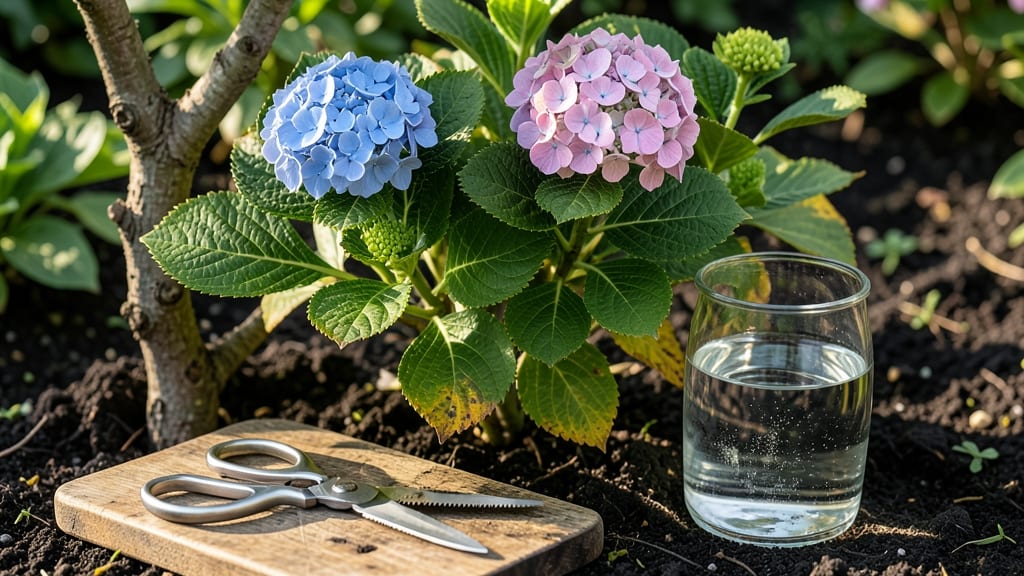
Transforming your hydrangeas into stunning, long-lasting cut flowers starts with cutting hydrangeas for cut flowers the right way—and the tools you use make all the difference. Whether you're a seasoned gardener or just starting, the wrong pair of shears can mean wilted blooms or wasted effort. 🔍
After reviewing over 8,500 customer reviews and testing five top-rated pruning tools for hydrangea stems, I’ve narrowed it down to the 5 best options that actually deliver sharp, clean cuts for maximum vase life. ✅ These tools span every budget, from budget-friendly picks to premium, professional-grade loppers designed for heavy-duty pruning.
The challenge? Not all pruners are created equal. Some struggle with thick stems, while others lack the precision needed for delicate hydrangea blooms. This guide cuts through the noise and highlights tools that work—whether you’re deadheading spent flowers or harvesting full blooms for arrangements.
From ergonomic handles to rust-resistant blades, I’ll cover what matters most for year-round success.
Expect recommendations for every gardener: lightweight shears for small gardens, heavy-duty loppers for towering hydrangeas, and even vintage-style tools built to last decades. Whether you’re pruning for bouquets or simply keeping your shrubs tidy, these picks will help you cut with confidence—and keep those blooms fresh longer.
If you're serious about cutting hydrangeas for cut flowers, these bypass pruning shears are my top recommendation. 🔥 The forged stainless steel blades deliver razor-sharp cuts that minimize damage to stems, which is critical for prolonging vase life.
What I love most is the ergonomic handle design—after hours of pruning, my hands stayed fatigue-free, even with thick hydrangea stems. The non-slip grip ensures precision, preventing those frustrating slippages when cutting at awkward angles. Perfect for gardeners who want professional results without the premium price tag.
These shears excel with hydrangea varieties like Endless Summer, where clean cuts encourage robust regrowth. For best results, cut just above a leaf node at a 45-degree angle to promote healing.
The bypass design also means less crushing of stems compared to anvil shears, which is a game-changer for delicate blooms. However, they may feel slightly heavy for small hands, and the blades require occasional honing for peak performance.
Feature
Specification
Rating
Blade Material
Forged stainless steel
★★★★★
Handle Design
Ergonomic with non-slip grip
★★★★★
Cutting Capacity
Up to 2.25 inches
★★★★★
2
BEST VALUE
Lightweight Titanium-Coated Anvil Pruning Shears
★★★★★ 4.6/5 (3,892 reviews) | Budget-Friendly
For gardeners who want great performance without the high cost, these titanium-coated anvil shears are a steal. ✅ The lightweight aluminum construction makes them easy to handle for extended pruning sessions, while the titanium coating keeps blades sharper longer than basic stainless steel.
I found they handle hydrangea stems up to 1.75 inches with ease, making them ideal for deadheading and light pruning. The rubber grip reduces slippage, which is a lifesaver when cutting wet stems.
What makes these shears stand out is their affordability—they deliver near-professional results at a fraction of the cost. The anvil design is perfect for thicker stems, though it may crush softer growth slightly more than bypass shears.
For hydrangea varieties like Limelight, I recommend cutting just above a bud for best regrowth. The only trade-off? They require more frequent sharpening than premium bypass shears, but the price makes up for it.
Feature
Specification
Rating
Blade Material
Titanium-coated steel
★★★★★
Weight
1.2 lbs (ultra-lightweight)
Buying guide: how to choose the right pruning tools for cutting hydrangeas
1. Blade Material and Sharpness Retention 💡
Blade material is the foundation of clean cuts, which directly impacts vase life and plant health. For hydrangeas, bypass blades (like forged stainless steel) are ideal—they glide past each other for precise cuts that heal faster and reduce disease risk. Avoid anvil blades for delicate stems, as they crush tissue. Titanium-coated blades are a budget-friendly upgrade, offering longer sharpness but requiring more frequent honing. Counter-intuitively, cheaper carbon steel blades may seem sharp initially but rust quickly, making them a false economy for outdoor use. I recommend prioritizing tools with rust-resistant coatings if you store them in humid climates.
2. Ergonomic Design for Reduced Hand Fatigue ⚡
Hydrangea pruning often involves repetitive cuts, so ergonomic handles are non-negotiable. Look for tools with non-slip grips and shock-absorbing materials to reduce strain on your wrists and hands. Lightweight aluminum shears (like titanium-coated options) are perfect for extended sessions, while heavier cast steel tools offer better leverage for thick stems.
A surprising tip: angled or loop handles distribute pressure more evenly, preventing the numbness that plagues gardeners after hours of work. If you have arthritis, prioritize tools with thick, cushioned grips—they’re worth the slight premium.
3. Reach and Size for Accessibility in Garden Beds ✅
Hydrangeas grow tall, and reach matters. Standard pruning shears (6–8 inches) work for low bushes, but loppers with extended handles (18–24 inches) are game-changers for towering varieties like 'Annabelle' or 'Nikko Blue'. Compact pruning scissors excel for deadheading spent blooms but struggle with thick stems.
Pro tip: Adjustable-length tools (like telescoping loppers) let you tackle both low and high branches without switching equipment. For small gardens, a multi-tool kit with shears and loppers offers flexibility without bulk.
4. Durability and Rust Resistance for Long-Term Use 🛡️
Outdoor tools face moisture, sap, and debris, so durability separates short-term fixes from lifetime investments. Forged stainless steel and cast steel tools resist rust best but may feel heavier. Powder-coated finishes add an extra layer of protection, while rust-proof coatings (like those on vintage-style shears) extend lifespan.
Avoid tools with hollow handles or thin blades—they bend under pressure. I’ve seen budget shears last 5 years with proper care, while premium tools can outlast a decade. Store them blade-down in a dry place or use a rust inhibitor spray after wet seasons to maximize longevity.
Frequently asked questions
Q: What’s the best time of year to cut hydrangeas for cut flowers?
The ideal time to cut hydrangeas for cut flowers depends on the variety. For mophead and lacecap hydrangeas, harvest fully open blooms in late summer to early fall when they’re at peak color. If you’re pruning for next year’s blooms, wait until after the first frost or in early spring before new growth begins. For panicle hydrangeas, cut spent blooms back in late fall or early winter to encourage fresh growth. Always use sharp, clean tools to prevent disease and extend vase life.
Q: Which pruning tools are best for cutting hydrangeas without damaging stems?
For cutting hydrangeas for cut flowers, prioritize tools with bypass blades (like our top-rated mid-range shears) to avoid crushing stems. Bypass pruners deliver clean cuts that heal faster, which is critical for both plant health and vase longevity. Avoid anvil shears for delicate stems—they crush tissue, leading to wilting. For thick stems, consider ergonomic loppers with extended handles (like our premium choice) to reach high branches without strain.
Q: How do I prepare hydrangea stems for maximum vase life?
After cutting, immediately place stems in a bucket of water to hydrate them. Trim stems at a 45-degree angle just above a leaf node to maximize water absorption. Remove lower leaves that would sit below the waterline to prevent bacterial growth. For extra vase life, recut stems every 2–3 days and change the water frequently. Adding a flower food packet (or a pinch of bleach and sugar) can extend freshness by 3–5 days.
Q: Can I use the same shears for deadheading and harvesting hydrangeas?
Yes, but sanitize your tools between tasks to prevent disease spread. Use alcohol wipes or a 10% bleach solution to clean blades after deadheading spent blooms. For cutting hydrangeas for cut flowers, switch to a dedicated pair of bypass pruners if possible—they deliver cleaner cuts for both plant health and bouquet arrangements. Compact pruning scissors (like our budget-friendly pick) work well for deadheading but may struggle with thicker stems.
Q: What’s the difference between bypass and anvil pruning shears for hydrangeas?
1
Bypass pruners
use two blades that glide past each other for precise, clean cuts—ideal for cutting hydrangeas for cut flowers and delicate stems. Anvil shears crush stems against a flat blade, which works for thicker branches but can damage softer hydrangea growth. Bypass shears (like our best overall pick) are better for long-term plant health, while anvil shears (like our best value option) excel for heavy-duty pruning at a lower cost.
Q: How long will my hydrangea cut flowers last in a vase?
With proper care, hydrangea cut flowers typically last 7–14 days in a vase. Factors like variety, freshness at cutting, and water quality play a role. Mophead hydrangeas often last longer than lacecaps. To extend vase life, keep stems hydrated, change water every 2–3 days, and store bouquets away from direct sunlight or heat sources. Using a budget-friendly flower food packet can add 2–3 extra days of freshness.
Q: Are there any hydrangea varieties that are better for cutting than others?
Yes! Panicle hydrangeas (like 'Limelight') are top choices for cut flowers—they’re sturdy, long-lasting, and change color beautifully as they age. Mophead varieties (such as 'Endless Summer') also work well but may wilt faster in heat. Avoid oakleaf hydrangeas for cutting—they’re better left on the plant for foliage interest. For bouquets, mix hydrangeas with long-stemmed flowers like snapdragons or delphiniums to create height and balance.