
Advice
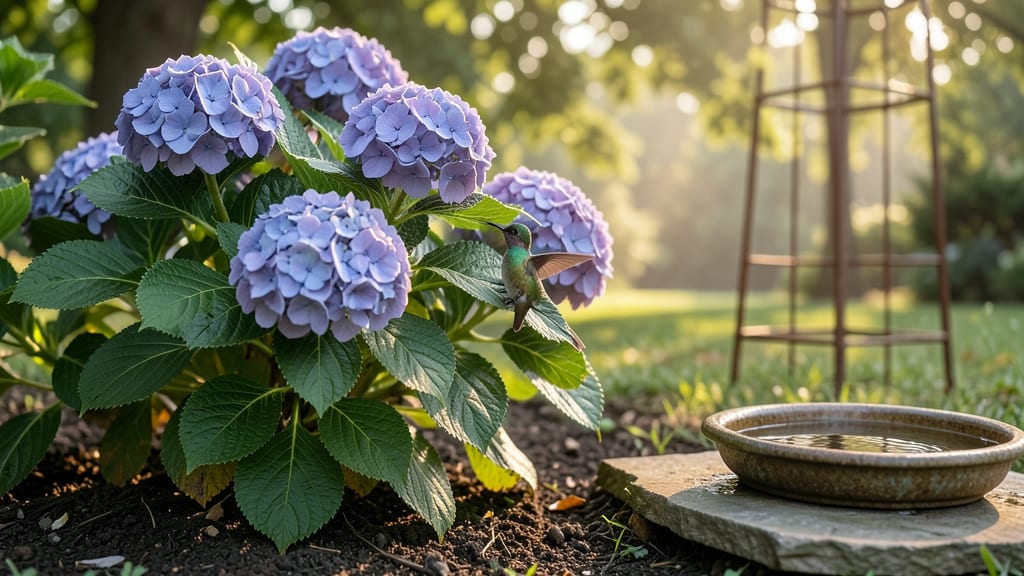
Hydrangeas do attract hummingbirds, especially through their nectar-rich blooms like panicle hydrangeas or oakleaf hydrangeas, which feature tubular flowers these pollinators adore. Planting them near feeders amplifies their appeal to hummingbirds.
Hydrangeas become hummingbird magnets because their flowers produce abundant nectar in colors like pink and purple—shades hummingbirds can see clearly. 🌸 The tubular shape of certain varieties gives birds easy access to the sweet liquid they crave.
I've noticed that planting hydrangeas near other nectar sources, like bee balm or salvia, creates a pollinator party in my garden, with hummingbirds darting between plants all season long.
What really makes these flowers stand out is their timing. Most hydrangea varieties bloom from late spring through summer, aligning perfectly with hummingbird migration patterns. This overlap means your garden could become a critical stopover point for these tiny travelers during their long journeys.
For best results, focus on varieties that bloom on new wood rather than old—like panicle hydrangeas—which produce flowers later in the season when hummingbirds are most active. The key is creating a continuous food source that keeps them visiting throughout the growing season.
💡 In This Article
- How Hydrangea Flowers Lure Hummingbirds
- Best Hydrangea Varieties for Hummingbird Gardens
How hydrangea flowers lure hummingbirds
Hydrangeas create a hummingbird buffet through their specialized flower structures and nectar chemistry. The tubular blooms of varieties like panicle hydrangeas (Hydrangea paniculata) and oakleaf hydrangeas (Hydrangea quercifolia) are perfectly shaped to allow hummingbirds' long, slender beaks to reach deep into the flower's nectar reservoir.
These flowers produce nectar with a sugar concentration typically between 20-30%—sweet enough to fuel a hummingbird's high-energy metabolism while being accessible without requiring them to hover too long.
The color spectrum of hydrangea blooms plays a crucial role too. While we see shades of pink, purple, and blue, hummingbirds perceive ultraviolet patterns invisible to human eyes.
Many hydrangea varieties feature UV-reflective nectar guides that create intricate pathways leading to the flower's center—a visual invitation that's irresistible to these pollinators. 🌸 This UV contrast is particularly strong in bigleaf hydrangeas (Hydrangea macrophylla), which often have deeper purple blooms that appear even more vibrant to hummingbirds than they do to us.
Timing is everything in the pollinator world, and hydrangeas deliver perfectly. Most varieties bloom from late May through September, aligning with hummingbird migration patterns and nesting seasons.
The extended bloom period means your garden provides continuous sustenance—critical for hummingbirds that may travel up to 1,000 miles between breeding and wintering grounds. Unlike annual flowers that may bloom for just a few weeks, hydrangeas offer a reliable food source that keeps hummingbirds returning throughout the growing season.
What sets hydrangeas apart from other hummingbird favorites like bee balm or salvia is their dual attraction system.
While many plants rely on either nectar or bright colors, hydrangeas combine both: their vibrant blooms catch the birds' attention from a distance, while the tubular shape and abundant nectar keep them coming back. This two-pronged approach makes them one of the most effective perennial choices for hummingbird gardens.
Here's what's happening chemically: The nectar contains not just simple sugars but also amino acids that provide essential nutrients for hummingbirds.
Studies show that flowers with higher amino acid content (like many hydrangea varieties) result in higher visitation rates from hummingbirds, as these nutrients help the birds maintain their rapid metabolism. The combination of easily accessible nectar and these valuable nutrients creates a perfect pollinator partnership.
For maximum appeal, consider planting hydrangeas near other hummingbird magnets like coral honeysuckle or butterfly bush. This creates what ecologists call a "pollinator corridor"—a connected network of food sources that encourages hummingbirds to linger in your garden rather than just passing through.
The key is diversity: different plants bloom at different times, ensuring your garden remains a reliable food source from spring through fall.