
Blooming
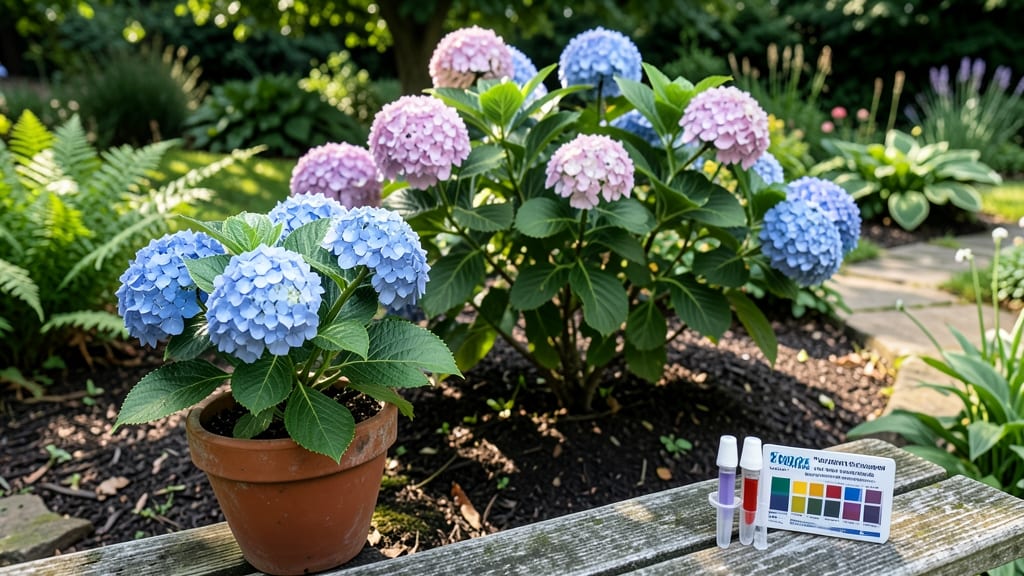
Hydrangeas do not bloom all year—they follow seasonal cycles with peak flowering in late spring to summer, though some varieties may rebloom into fall. Their bloom patterns depend heavily on climate, pruning techniques, and species characteristics.
Hydrangeas are seasonal plants, meaning their blooms align with natural growing conditions.
Most varieties enter dormancy in cooler months, focusing energy on root development rather than flowering. 🌸 For example, bigleaf hydrangeas typically bloom on old wood (last year's growth), so they set buds in late summer/fall and flower the following spring.
Meanwhile, panicle and smooth hydrangeas bloom on new wood, allowing them to produce flowers later in the season if pruned correctly.
Climate plays a crucial role—warmer regions may see extended blooming periods, while colder zones often experience shorter windows. In USDA Zone 5, for instance, hydrangeas might bloom from June to August, while in Zone 9, they could flower from April through October.
The key is understanding your specific variety's needs and adjusting care accordingly.
💡 In This Article
- Climate Zones and Hydrangea Bloom Seasons
- Pruning Strategies to Extend Hydrangea Blooms
Climate Zones and Hydrangea bloom seasons
Hydrangea blooming cycles are directly tied to temperature fluctuations and seasonal dormancy. In cooler climates like USDA Zones 3-5, most varieties experience a 6-8 week bloom window during late spring to early summer, triggered by consistent temperatures above 50°F.
For example, the iconic bigleaf hydrangea (Hydrangea macrophylla) sets flower buds in late summer when days shorten, requiring a period of winter chill (around 400-800 hours below 45°F) to break dormancy and bloom the following spring.
Warmer regions (Zones 7-10) offer extended blooming seasons due to milder winters. In Zone 9, varieties like 'Nikko Blue' can flower from April through October with proper care, while Zone 5 gardens might see blooms only from June to August.
Humidity also plays a role—high moisture levels in the Southeast can prolong blooming by reducing stress on the plants, whereas dry western climates may shorten the window. Frost acts as a natural pruning mechanism, often stimulating new growth that can produce secondary blooms in reblooming varieties.
The key difference lies in how hydrangeas respond to temperature shifts. Old wood bloomers (like bigleaf varieties) need winter's cold to trigger spring blooms, while new wood bloomers (panicle and smooth hydrangeas) can produce flowers on current season's growth when temperatures stabilize.
This explains why you might see panicle hydrangeas flowering in late summer even after frost has passed—new stems continue growing and blooming when conditions are favorable.
Regional variations create exceptions to the seasonal rule. In coastal areas like Southern California (Zone 9-10), hydrangeas may bloom year-round if temperatures never drop below 40°F for extended periods.
Meanwhile, in Zone 4, gardeners often protect plants with mulch to extend the growing season by 2-4 weeks, sometimes resulting in delayed but prolonged blooming. The plant's internal clock, called vernalization, responds to these environmental cues to determine when to flower.
Consider these climate-based bloom patterns when selecting varieties: tropical types like 'Endless Summer' can rebloom with proper pruning, while native species may follow strict seasonal rhythms. For instance, oakleaf hydrangeas (Hydrangea quercifolia) naturally bloom in late spring to early summer but produce stunning fall foliage as a bonus.
Understanding your zone helps match plants to your climate's natural bloom windows.
What most gardeners overlook is how heat waves can stress hydrangeas, causing buds to drop before opening. In 90°F+ temperatures, many varieties enter a form of summer dormancy, halting blooming until cooler weather returns.
This explains why Southern gardens might see two bloom cycles—one in spring and another in fall—while Northern gardens get just one.