
Container Gardens
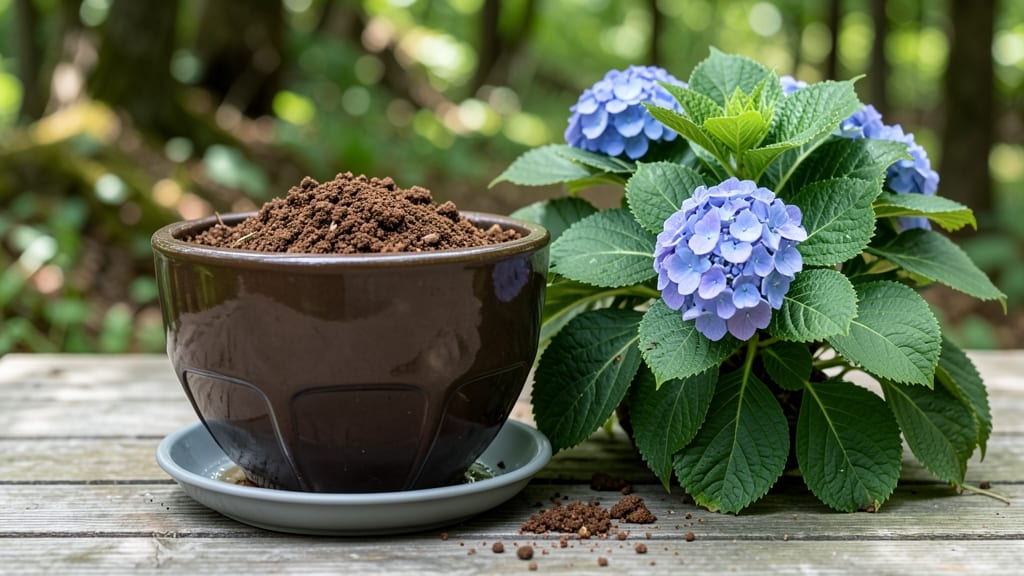
Hydrangeas do well in pots when given the right conditions: use containers at least 12-18 inches wide with drainage holes, acidic well-draining soil, and place them in bright indirect light while keeping soil consistently moist.
Potted hydrangeas can actually outperform their in-ground counterparts if you nail the container setup. 🌸 The key is mimicking their natural woodland habitat—think spacious roots, moisture retention, and protection from harsh afternoon sun.
I’ve found that larger pots (18+ inches) reduce the need for frequent watering while preventing root-bound stress. Just watch for yellowing leaves—this often signals overwatering or poor drainage, both common pitfalls in containers.
For best results, I recommend mixing peat moss or pine bark into your potting soil to improve aeration, and always use a pot with drainage holes to prevent soggy roots.
Hydrangeas in containers also benefit from a balanced fertilizer every 4-6 weeks during growing season, though I cut back in winter to let them rest. The trade-off? Container-grown hydrangeas may need more frequent pruning to control size and encourage bushier growth.
💡 In This Article
- Choosing the Right Pot Size and Soil for Hydrangeas
- Watering, Fertilizing, and Pruning Hydrangeas in Containers
Choosing the right pot size and soil for hydrangeas
Hydrangeas need ample root space to thrive in containers, and the rule of thumb is to choose pots that are at least 12-18 inches wide and deep for mature plants. This size prevents root-bound stress, which occurs when roots circle the container and compete for nutrients.
In my experience, a pot that's 2-3 inches larger in diameter than the plant's root ball gives roots room to grow outward, improving stability and water absorption. Smaller pots (10 inches) force roots to grow in tight circles, leading to stunted growth and fewer blooms. 🌿
The soil mix is equally critical—hydrangeas demand acidic, well-draining soil with a pH between 5.0-6.0. A blend of 50% peat moss or coconut coir, 30% garden soil, and 20% perlite or pine bark creates the ideal balance.
Peat moss retains moisture while pine bark improves aeration, preventing the compacted soil that suffocates roots. For blue blooms, I add hydrangea-specific acidifier granules to lower pH, while pink flowers thrive in slightly alkaline conditions. Without proper drainage, roots rot within 3-5 days due to waterlogging.
Drainage holes are non-negotiable—they prevent soggy soil that drowns roots. Without them, excess water pools at the bottom, creating anaerobic conditions where harmful bacteria thrive. I’ve seen hydrangeas in undrained pots develop yellow leaves and blackened stems within weeks.
To enhance drainage, I add a 2-inch layer of gravel or broken pottery shards at the bottom before filling with soil. This layer acts as a barrier, keeping roots from sitting in water while allowing excess moisture to escape. 💧
Container material also plays a role: terracotta pots dry out faster, requiring more frequent watering, while plastic retains moisture longer. For hot climates, terracotta’s porous nature helps regulate soil temperature, while plastic traps heat, risking root burn.
If using plastic, I opt for light-colored containers to reflect sunlight and reduce heat absorption. The material choice affects watering frequency—terracotta may need daily checks in summer, while plastic could go 2-3 days between waterings.
One common mistake is underestimating the pot’s depth. Hydrangeas develop deep root systems, and shallow pots (8 inches) restrict growth. I’ve seen hydrangeas in shallow pots develop root-bound clusters that break easily when repotted.
To check if your pot is too small, gently remove the plant: if roots encircle the container, it’s time to upgrade. For large varieties like Endless Summer, I recommend 20+ inch pots to accommodate their vigorous growth. 🌸
Finally, consider the pot’s weight—hydrangeas in containers can tip over in wind or when watered. Heavy pots or those with a wide base provide stability, especially for tall varieties. For added security, I bury the pot halfway into the ground or place it on a weighted saucer.
This simple step prevents accidents and ensures your hydrangea stays upright for years of blooming.