
Planting
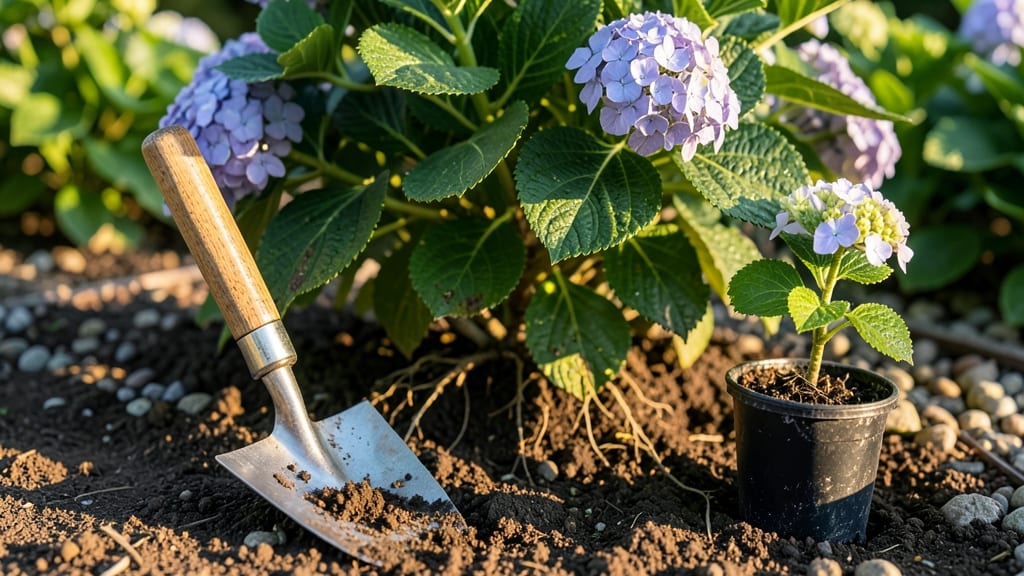
Wondering how deep do hydrangea roots grow? They typically reach 12 to 24 inches for mature plants, while also spreading laterally up to 3 feet under ideal conditions.
Wondering why your hydrangeas struggle to thrive despite perfect sunlight and watering? The answer might lie underground—hydrangea roots spread deeper and wider than most gardeners realize, and planting too shallow (or too deep) can stifle growth.
These roots need room to breathe, especially in USDA Zone 6a, where soil can compact easily. Whether you're planting in spring or containers, getting the depth right is key to unlocking those showstopping blooms you love.
In this guide, I’ll break down the science of hydrangea root depth, share proven planting tips, and show you how to spot (and fix) signs of root stress before it’s too late.


How deep hydrangea roots grow: the science behind healthy growth
If you’ve ever wondered why your hydrangeas seem to thrive one year and struggle the next, the answer might be hiding beneath the soil surface. Hydrangea roots grow deeper and wider than most gardeners realize, creating a complex network that directly impacts your plant’s health, bloom production, and longevity.
Understanding this underground system is key to giving your hydrangeas the perfect foundation for success.
The root depth of hydrangeas typically ranges from 12 to 24 inches for mature plants, while their lateral roots spread 2 to 3 feet outward.
This wide-reaching structure allows them to access moisture and nutrients efficiently, but it also means planting too shallow—or too deep—can stunt growth or even kill the plant. Let’s break down the science behind these roots and how you can optimize their growth for lush, vibrant blooms.
🌱
| Hydrangea Type | Root Depth (Inches) | Lateral Spread (Feet) | Key Growth Factors |
|---|---|---|---|
| Mophead (Bigleaf) | 12-18 inches | 2-3 feet | Thrives in moist, well-draining soil; sensitive to drought. |
| Panicle | 18-24 inches | 2.5-4 feet | More drought-tolerant; prefers slightly drier soil than mophead. |
| Oakleaf | 15-20 inches | 2-3 feet | Adapts to varied soil types; tolerates partial shade well. |
| Smooth | 18-22 inches | 3 feet | Fast-growing; benefits from regular mulching. |
The root structure of hydrangeas isn’t just about depth—it’s also about how these roots interact with their environment. For instance, mophead hydrangeas (like the popular Hydrangea macrophylla) tend to have shallower but denser roots, making them more sensitive to soil moisture levels.
In contrast, panicle hydrangeas (such as Hydrangea paniculata) develop deeper, more extensive roots, allowing them to tolerate drier conditions better. This difference is why panicle types often thrive in hotter, sunnier climates.
Soil aeration and moisture retention play critical roles in root development. Hydrangeas prefer soil that’s rich in organic matter but well-draining to prevent root rot. Compacted or waterlogged soil can suffocate roots, limiting their ability to spread and access nutrients.
If your soil is heavy clay, amending it with compost or sand can improve aeration and encourage deeper root growth. Aim for a soil mix that holds moisture but drains excess water within 24 hours to keep roots happy.
Another factor affecting root depth is the planting method. When planting hydrangeas in containers, roots grow more densely but stay shallower due to limited space. In-ground plants, however, have the freedom to expand both downward and outward.
If you’re growing hydrangeas in pots, choose containers that are at least 12 inches deep and 18 inches wide to accommodate their root structure. For in-ground planting, dig holes that are twice as wide as the root ball but only slightly deeper to avoid burying the stem.
One common misconception is that hydrangeas need to be planted very deep to support their height. However, planting too deep can lead to stem rot or poor air circulation around the base of the plant.
The key is to position the root ball so that the top of the root system sits just below the soil surface, with the stem slightly above it. This ensures the plant has enough room to establish roots without suffocating.
Always check the root flare—the swollen area at the base of the stem—before backfilling the hole.
To encourage healthy root growth, focus on mulching around the base of your hydrangeas. A 2- to 3-inch layer of mulch (like shredded bark or pine needles) helps retain moisture, regulate soil temperature, and suppress weeds—all of which support root development.
Just be sure to keep the mulch a few inches away from the stem to prevent rot. Watering deeply but infrequently (about 1-2 inches per week) also promotes deeper root growth, as it encourages roots to seek moisture below the surface rather than staying shallow.
If you’re dealing with mature hydrangeas that seem to be struggling, their roots might be root-bound or competing for space. In this case, gently loosening the roots or transplanting the plant to a larger area can give them the room they need to thrive.
Pay attention to signs like yellowing leaves, stunted growth, or wilting—these often indicate root stress or insufficient space. Addressing these issues early can make a world of difference in your hydrangea’s health and bloom production.
Understanding how deep hydrangea roots grow isn’t just about digging deeper—it’s about creating the right conditions for these roots to flourish. By paying attention to soil type, planting depth, and moisture levels, you’ll give your hydrangeas the strong foundation they need to produce stunning blooms year after year.
With the right care, your hydrangeas will reward you with vibrant flowers and lush foliage that brightens up your garden for seasons to come.
🌿
Optimal planting depth for hydrangeas: step-by-step guide to perfect spacing
Getting the planting depth right for your hydrangeas is the secret to strong roots and stunning blooms. Unlike shallow-rooted plants, hydrangeas develop a deep taproot system (12-24 inches) with extensive lateral roots that spread 2-3 feet outward.
Planting too shallow can leave roots exposed to drying winds, while burying the stem too deep suffocates the plant. Let’s fix this once and for all with a foolproof method.
Before digging, check your hydrangea’s root ball—it’s the key to determining the perfect hole. Most nursery-grown hydrangeas arrive in pots where the root ball is about 12-18 inches wide. Your planting hole should be twice as wide (24-36 inches) and just as deep as the root ball.
This extra space encourages roots to branch out naturally, preventing competition and ensuring your shrub thrives for years.
Step-by-Step Planting Guide
- Step 1: Dig a hole twice as wide as the root ball and same depth (12-18 inches). Use a spade to loosen the sides for easier root penetration.
- Step 2: Mix compost or aged manure (1 part) into the native soil removed from the hole. This improves drainage and aeration—critical for hydrangea roots.
- Step 3: Gently remove the hydrangea from its pot and loosen the root ball with your fingers. Avoid breaking roots; they’ll adjust to their new home over time.
- Step 4: Place the plant in the hole so the top of the root ball sits 1-2 inches above ground level. This prevents stem rot while allowing roots to expand downward naturally.
- Step 5: Backfill with amended soil, pressing lightly to eliminate air pockets. Water deeply to settle the soil and encourage roots to spread into surrounding areas.
- Step 6: Space hydrangeas 3-5 feet apart (depending on variety). Mophead types need more room, while panicle hydrangeas tolerate closer spacing.
One of the biggest mistakes I see is burying the stem too deep, which can cause the plant to suffocate or develop weak stems. Always check the root flare—the swollen area where roots meet the stem—should sit just above soil level.
If your hydrangea arrives in a container with no visible flare, plant it so the top of the root ball is 1-2 inches above ground.
For container-grown hydrangeas, follow the same depth rules but use a pot at least 12 inches wide and deep. Add a drainage layer (gravel or broken pottery) at the bottom to prevent waterlogging, which hydrangea roots hate.
In containers, roots grow more shallowly (6-12 inches deep), so monitor moisture closely—containers dry out faster than in-ground plantings.
After planting, mulch around the base with 2-3 inches of organic mulch (like shredded bark) to retain moisture and regulate soil temperature. Keep mulch away from the stem to avoid rot. Water deeply once a week during the first growing season, ensuring the soil stays moist but not soggy.
With the right depth and spacing, your hydrangeas will reward you with vibrant blooms for years.