
Plants
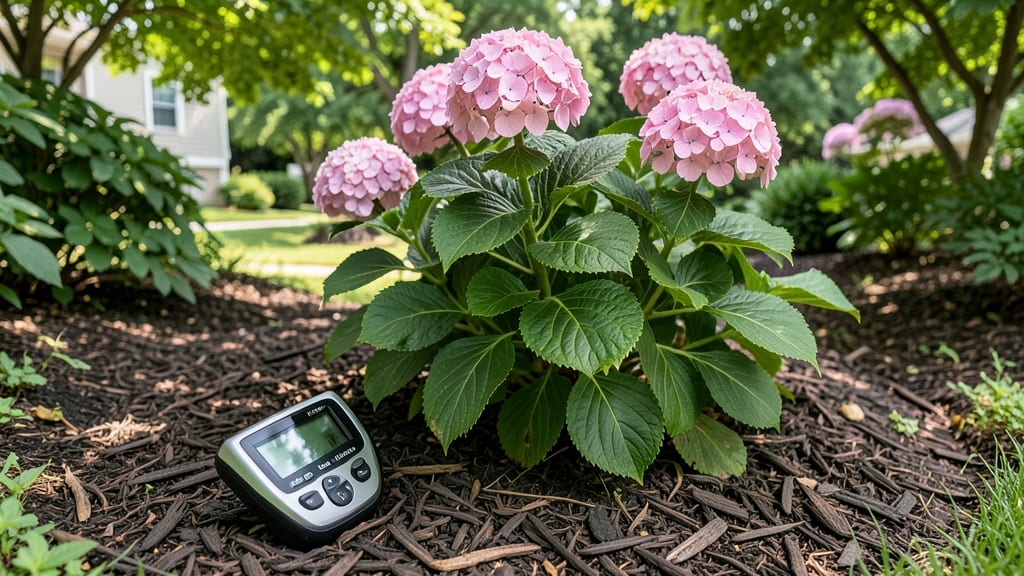
Hydrangeas do like sun—but only in moderation, preferring partial shade with 4-6 hours of morning sunlight to prevent wilting and leaf scorching. Excessive direct sun can stress plants, while too little shade may reduce flowering. Your climate zone and specific variety determine the ideal balance.
Hydrangeas thrive when they get just the right amount of sunlight—think of it like a Goldilocks situation. 🌞 Too much scorching sun can cause leaves to crisp and blooms to fade prematurely, while too little shade might leave your plant struggling to produce those showstopping flowers.
Different types of hydrangeas have unique needs: Bigleaf varieties often prefer dappled shade, while Panicle hydrangeas can handle more sun. I’ve found that monitoring leaf color and flower health helps me adjust their placement as seasons change.
For example, in hotter climates like the Southern U.S., providing afternoon shade with sheer curtains or nearby trees can make all the difference. Meanwhile, in cooler Northern regions, hydrangeas might tolerate more direct sunlight without stress.
Always observe how your plant responds—healthy foliage and abundant blooms are your best indicators of success!
💡 In This Article
- How Sunlight Affects Hydrangea Growth and Flowering
- Best Light Conditions for Hydrangeas by Variety and Climate
How sunlight affects Hydrangea growth and flowering
Sunlight triggers photosynthesis in hydrangeas, but too much direct light—especially afternoon sun—can cause heat stress and leaf scorching. These plants have thin, delicate leaves that lack the protective waxy coating found in sun-loving species like succulents.
When exposed to intense UV rays and temperatures above 85°F, their chlorophyll breaks down, turning leaves yellow or brown along the edges. This is why morning sun (when temperatures are cooler) is ideal—it provides 4-6 hours of gentle light without overheating the plant.
The impact of sunlight on flowering is equally fascinating. Hydrangeas produce blooms on new wood (current season's growth), and adequate light ensures robust stem development. However, excessive sun can cause flowers to wilting faster by increasing transpiration rates.
Studies show that hydrangeas in partial shade (like under a canopy of taller trees) maintain moisture better, leading to longer-lasting blooms.
For example, the popular Bigleaf hydrangea (Hydrangea macrophylla) often struggles in full sun, while Panicle hydrangeas (Hydrangea paniculata) tolerate more light due to their thicker leaves and heat-resistant structure. 🌿
Leaf color also reveals sunlight needs. Deep green leaves indicate balanced light exposure, while pale or yellowing leaves suggest insufficient sunlight for photosynthesis. Conversely, crispy or bleached patches are clear signs of sunburn.
The anthocyanins (pigments responsible for blue/purple hues in flowers) actually protect against some UV damage, but they can't compensate for extreme heat. This is why afternoon shade is critical in hot climates—it prevents the plant from "baking" while still allowing morning light to fuel growth.
Different hydrangea varieties have evolved unique adaptations. Oakleaf hydrangeas (Hydrangea quercifolia), for instance, can handle more sun than Bigleaf types because their leaves have a slightly thicker cuticle. Meanwhile, Mountain hydrangeas (Hydrangea serrata) thrive in dappled woodland conditions, mimicking their native Japanese forest habitats.
Understanding these variations helps you match your plant's needs to its environment—whether that's a sunny patio with afternoon shade or a woodland garden with filtered light.
Seasonal adjustments are key too. In summer, hydrangeas may need more shade as temperatures rise, while in spring and fall, they can often handle more direct sunlight. I’ve noticed that early morning sun (before 10 AM) is particularly beneficial because it provides energy without the midday heat.
For container-grown hydrangeas, rotating pots every few weeks ensures even light exposure, preventing one side from becoming overly stressed. 🌞
The science behind petal longevity is equally interesting. UV exposure accelerates the breakdown of flavonoids (compounds that give flowers their vibrant colors), causing them to fade faster. This is why hydrangeas in shaded locations often retain their color longer.
For gardeners in USDA zones 7-9, providing 30-50% shade cloth during peak summer months can extend bloom life by up to 2-3 weeks. The trade-off? Slightly smaller flowers—but they’ll last longer and look fresher!