
Blooming
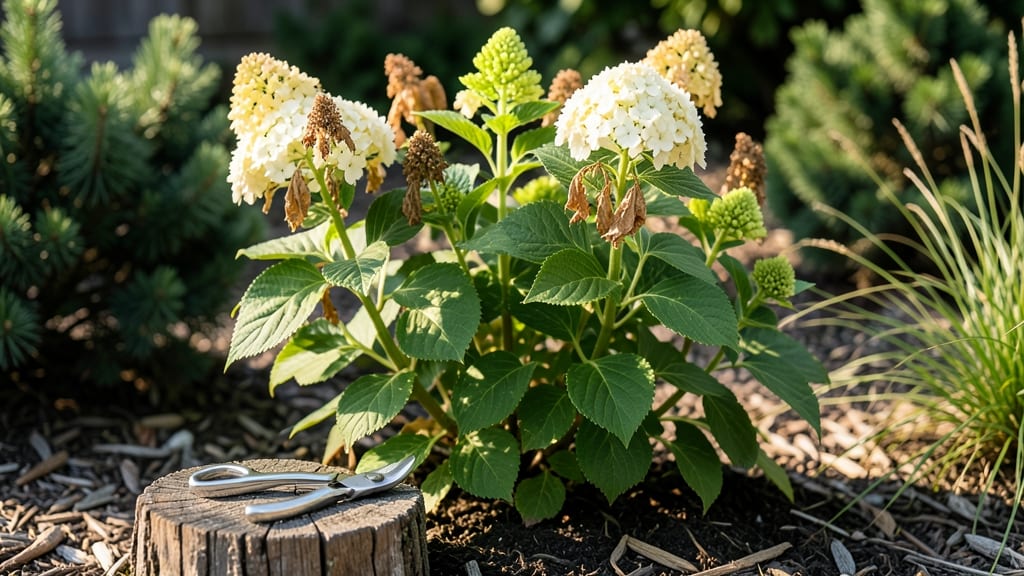
Yes, Limelight hydrangeas bloom on old wood, meaning their flower buds set on the previous year’s growth. Cutting back too early or aggressively after blooming can remove next season’s buds, delaying or reducing flowers. Prune only after blooms fade, keeping cuts light to maintain the plant’s shape.
This unique growth habit means timing matters more than with other hydrangeas. 🌸 Buds form in late summer or fall on stems that grew the year before, so pruning in early spring—when many gardeners tackle shrubs—risks removing potential blooms.
I’ve seen Limelight hydrangeas recover well from light shaping after flowering, but heavy cuts can leave them sparse for months. The key is patience: wait until all blooms have faded before touching your shears.
What sets Limelight apart is how it responds to temperature cues. Cooler fall nights trigger bud formation, while winter chilling helps them mature. Unlike new-wood bloomers (like Annabelle hydrangeas), Limelight won’t rebloom from current season’s growth—so protecting last year’s stems is critical.
Think of it like saving next year’s harvest while you enjoy this year’s crop.
💡 In This Article
- How Limelight Hydrangeas Develop Flowers on Old Wood
- Best Pruning Practices for Limelight Hydrangeas
How Limelight hydrangeas develop flowers on old wood
Limelight hydrangeas belong to the Hydrangea paniculata family, which uniquely produces flower buds on the previous year's growth—what gardeners call "old wood."
This process begins in late summer when the plant senses shortening daylight and cooling temperatures. 🌿 Inside the stems, specialized cells called axillary buds (located at the junctions where leaves meet stems) start developing into flower clusters.
Unlike new-wood bloomers like Annabelle hydrangeas, these buds won't form again until next summer if the stems are removed.
The magic happens during dormancy, when temperatures drop below 40°F for extended periods. This chilling period (typically 400-600 hours below 45°F) signals the buds to mature, ensuring they'll break open as vibrant blooms the following season.
What most gardeners miss is that these buds are already set by early fall—cutting back in late winter or spring removes them before they've had a chance to bloom. Think of it like harvesting next year's crop too early!
Visually, you can spot old wood buds as small, rounded swellings along last year's stems, often appearing in clusters. These buds are more delicate than new growth and require protection from harsh winter winds.
In contrast, new-wood bloomers like Annabelle hydrangeas produce buds on current season's stems, allowing more aggressive pruning without sacrificing flowers. The key difference is that Limelight's blooms are a one-time investment in last year's growth.
Temperature plays a crucial role in bud development. Research shows that Limelight hydrangeas need consistent chilling to prevent bud dormancy issues. In warmer climates (USDA zones 7-9), where winters are mild, gardeners often see delayed or reduced blooming because the chilling requirement isn't fully met.
This is why some gardeners in these zones use anti-desiccant spray in late fall to protect buds from drying winds during their critical development phase.
What makes Limelight hydrangeas particularly fascinating is their ability to produce secondary blooms later in the season. While the primary flowers come from old wood, new growth can produce smaller, less showy blooms in late summer if the plant has enough energy.
This two-phase flowering is a safety net, but it's no substitute for protecting the old wood buds that create the dramatic, cone-shaped blooms we all love.
Consider this comparison: Annabelle hydrangeas (new-wood bloomers) can be pruned back by ⅓ in early spring without fear, while Limelight hydrangeas should only be pruned to remove dead wood or shape lightly.
Cutting back Limelight's stems by more than 20% risks removing next year's flower buds entirely. The trade-off is worth it for that stunning vertical growth and late-season color!