
Companion Plants
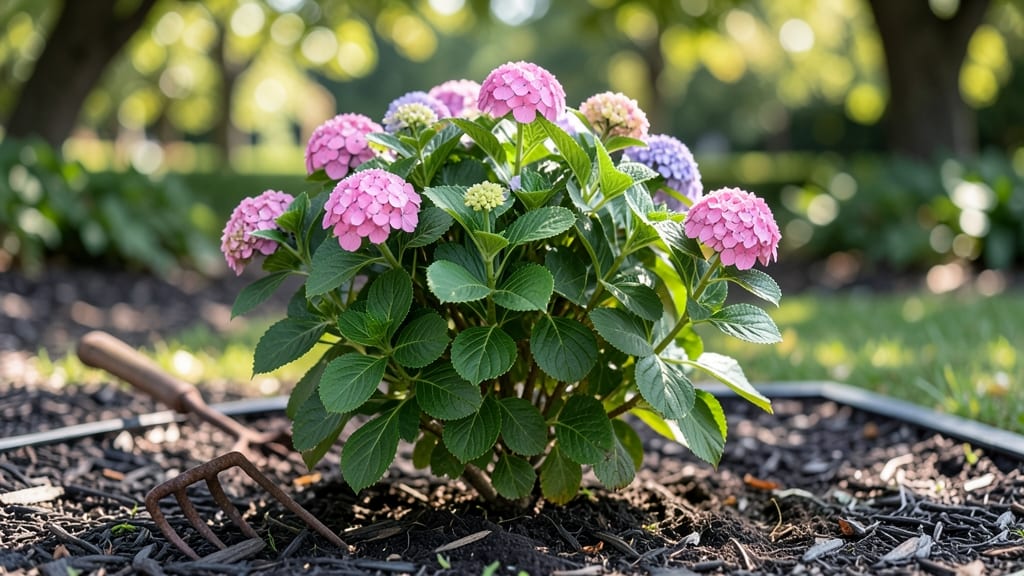
Dwarf hydrangeas bring bold color in tight spaces without sacrificing impact. 🌿 I fell for them after my first blooms—those compact clusters of pink, blue, or white flowers packed into 2-3 foot plants—transformed a shady corner into a showstopper.
Unlike their giant cousins, these thrive in containers, borders, or even tucked between stepping stones, giving you year-round interest with minimal fuss.
The secret to happy dwarf hydrangeas starts with the right spot: morning sun and afternoon shade works best in most climates, while well-draining, slightly acidic soil (think mulch-heavy garden beds) keeps roots from sitting in soggy conditions.
Varieties like 'Little Lime' or 'Endless Summer' bloom on old and new wood, so you get two flushes of flowers—one in early summer, another in fall—if you prune correctly. Spacing them 3-4 feet apart gives them room to bush out without crowding.
Watering is where most gardeners trip up—these plants hate dry roots but despise soggy soil too. Aim for 1-1.5 inches of water per week, either from rain or your hose, and mulch heavily to keep moisture consistent.
Pruning in late winter or early spring (before new growth starts) keeps them shaped and encourages those showy blooms you planted them for. With the right care, you’ll have neighborhood-stealing color in a fraction of the space.
They’re forgiving enough for beginners but rewarding enough for pros—just watch for powdery mildew in humid summers (spray with neem oil if you see white fuzz) and over-fertilizing (too much nitrogen = fewer flowers).
Once established, these plants multiply like weeds—share divisions with friends or let them naturalize for a lush, low-maintenance garden. Start small, and you’ll wonder why you didn’t fill every corner with them years ago.
📚 In This Guide
- What you need
- Instructions
- Tips and common mistakes
- Wrapping up and next steps
What you need
- ● Dwarf Hydrangea Plants: 1–3 plants (depending on desired coverage; varieties like Hydrangea macrophylla ‘Mini Penny’ or H. serrata ‘Bluebird’ are great choices).
- ● Check for healthy roots and vibrant buds when selecting!
- ● Soil: 5–10 gallons of well-draining, acidic soil mix (pH 5.0–6.0).
- ○ Optional: Pre-mixed hydrangea soil or a blend of 50% peat moss, 30% garden soil, and 20% perlite.
- ● Containers (if potted): 1–3 12–18-inch diameter pots with drainage holes (terracotta or fabric grow bags work well).
- ○ Optional: Self-watering containers for convenience.
- ● Fertilizer: Slow-release acid-loving plant fertilizer (e.g., 10-10-10 or 12-4-8 formula).
- ○ Optional: Hydrangea-specific granules or liquid feed (like Miracle-Gro for Azaleas/Hydrangeas).
- ● Mulch: 2–3 inches of pine bark or wood chips (helps retain moisture and acidity).
- ● Trowel or small shovel (for planting).
- ● Garden gloves (to protect your hands!).
- ● Watering can or hose with a gentle spray nozzle.
- ○ Optional: pH testing kit (to monitor soil acidity), pruning shears (for shaping), or a trellis (if training vining varieties).
- ● A sunny to partially shaded spot (4–6 hours of sunlight daily for best blooms).
- ● Access to soft, filtered water (chlorine-free if possible; let tap water sit for 24 hours).
- ● Patience! Dwarf hydrangeas may take 1–2 years to fully establish and bloom.
Step-by-step guide to planting and caring for dwarf hydrangeas
These charming shrubs bring bold color without the bulk—here’s how to set them up for years of effortless blooms.
🪴 Step 1: Choose the Perfect Planting Spot
Dwarf hydrangeas thrive in morning sun with afternoon shade, especially in warmer climates. Look for a location with partial shade—at least 4-6 hours of filtered light daily—to prevent leaf scorch. I always test the spot by observing how sunlight shifts throughout the day; hydrangeas wilt quickly if exposed to hot afternoon rays.
Ensure the area has well-draining soil—these plants hate soggy roots. If your garden soil is heavy clay, amend it with 2-3 inches of compost mixed into the top 12 inches of soil. The ideal planting site also offers shelter from strong winds, which can stress delicate stems. A spot near a fence or building works beautifully.
🌱 Step 2: Dig and Prepare the Planting Hole
Dig a hole twice as wide as the hydrangea’s root ball but only as deep as the container it came in. This prevents burying the stem too deeply, which can cause rot. Gently loosen the roots if they’re circling tightly in the pot—this encourages outward growth. I tap the sides of the container to help roots spread naturally before removing the plant.
Mix the removed soil with 1 part compost to improve fertility and drainage. Place the hydrangea in the hole so the top of the root ball sits level with the surrounding soil. Fill the hole halfway, then water deeply to settle the soil and eliminate air pockets. This first watering helps roots establish contact with the native soil.
☀️ Step 3: Water and Mulch for Long-Term Health
Water the newly planted hydrangea deeply until moisture reaches 6-8 inches down—you’ll know it’s enough when water drips from the bottom of the hole. After planting, I water every 2-3 days for the first 2 weeks, keeping the soil evenly moist but never soggy. Overwatering at this stage can suffocate roots before they adapt.
Spread 2-3 inches of mulch around the base, keeping it 3 inches away from the stem to prevent rot. Use wood chips or shredded bark—these break down slowly and improve soil structure over time. Mulch helps retain moisture and regulates soil temperature, which is especially important during hot summer months when hydrangeas can dry out quickly.
✂️ Step 4: Prune for Shape and Encourage Blooms
Prune dwarf hydrangeas immediately after planting to remove any damaged or crossing branches. Use clean, sharp pruners to make cuts at a 45-degree angle just above a leaf node. This encourages bushier growth and prevents disease entry points. I avoid heavy pruning in the first year—just shape lightly to maintain a natural form.
For established plants, prune in late winter or early spring before new growth begins. Cut back one-third of the oldest stems to the ground while leaving younger stems intact. This rejuvenates the plant and ensures vibrant blooms the following season. Hydrangeas respond well to pruning, but avoid over-trimming—you’ll see fewer flowers if you remove too much growth.
Tips & tricks for perfect dwarf hydrangea planting
These little shrubs pack a big punch—here’s how to maximize their potential without the fuss.
Lighting Strategy: The 4-6 hours of morning sun is non-negotiable, but don’t assume all shade is equal. East-facing locations get perfect gentle morning light, while west-facing spots can still work if you provide afternoon shade using a sheer curtain or lattice screen. I’ve seen hydrangeas thrive under large deciduous trees where they get dappled light all day—just avoid dense evergreens that block all sunlight.
Soil Science: That 2-3 inches of compost isn’t just about nutrients—it’s about creating the perfect air-to-water ratio in your soil. For heavy clay soils, I mix in perlite or coarse sand to improve drainage while maintaining moisture. Test your soil’s pH too: hydrangeas prefer slightly acidic soil (5.2-6.0) for optimal color. You can adjust with sulfur if needed, but most garden centers sell pre-mixed hydrangea soil that handles this for you.
Planting Precision: When placing your hydrangea, the top of the root ball should sit just below soil level—not buried, not exposed. This subtle difference prevents stem rot while encouraging strong root growth. I use a level to check placement, and always firm the soil gently around the roots after planting to eliminate air pockets that could dry out the roots.
Watering Wisdom: Those first two weeks are critical—watering every 2-3 days means your finger should sink about 1-2 inches into moist soil. Overwatering is just as bad as underwatering; think of hydrangeas like a sponge that needs to stay plump but not soggy. A drip irrigation system set on a timer works wonders for consistent moisture without the guesswork.
Pro Tips for Dwarf Hydrangea Plants
- These little shrubs pack a big punch—here’s how to maximize their potential without the fuss.
- Lighting Strategy: The 4-6 hours of morning sun is non-negotiable, but don’t assume all shade is equal.
- Soil Science: That 2-3 inches of compost isn’t just about nutrients—it’s about creating the perfect air-to-water ratio in your soil.
Frequently asked questions
Got questions about keeping your dwarf hydrangeas thriving? You’re not alone!
Here are some of the most common concerns—and their solutions—to help you grow happy, compact blooms with ease.
How fast do dwarf hydrangeas grow, and when will they bloom?
Dwarf hydrangeas grow about 6–12 inches per year, so they stay manageable even in small gardens. Most varieties bloom in late spring to early summer, with some reblooming in fall if deadheaded regularly. Patience pays off—full color may take 1–2 seasons after planting!
Do dwarf hydrangeas need a lot of water, and how often should I water them?
Yes! These thirsty beauties love consistent moisture, especially in their first year. Water 1–2 times per week (daily in extreme heat) to keep soil evenly damp but not soggy. Mulch around the base to retain moisture and protect roots. Pro tip: Yellowing leaves often signal underwatering!
Can I grow dwarf hydrangeas in containers, and what’s the best pot size?
Containers are perfect for dwarf varieties. Choose a pot at least 12–15 inches wide and deep with drainage holes. Use a well-draining potting mix (add perlite or sand for extra airflow). Repot every 2–3 years to refresh nutrients. Bonus: Move pots to partial shade in hot afternoons!
What pests or diseases should I watch for, and how do I treat them?
Dwarf hydrangeas can attract aphids, spider mites, or powdery mildew. Treat aphids with a soapy water spray or neem oil. For mildew, improve airflow and spray with a baking soda solution (1 tsp baking soda + 1 quart water + a drop of soap). Prune affected leaves immediately to prevent spread. Prevention tip: Avoid overhead watering!
Are dwarf hydrangeas cold-hardy, and how do I protect them in winter?
Most dwarf hydrangeas are hardy to USDA Zones 4–9, but young plants or tender varieties may need extra care. Mulch heavily around the base with 3–4 inches of straw or shredded leaves. In harsh winters, wrap the plant (and pot, if container-grown) with burlap or frost cloth. Prune back dead stems in early spring—new growth will reveal itself!
Still stumped?
Drop your question in the comments—we’re happy to help your dwarf hydrangeas shine!
Wrapping up and next steps
Dwarf hydrangeas bring effortless charm to small spaces with their vibrant blooms and low-maintenance care—perfect for containers, borders, or even urban gardens! 🌸 Whether you’re drawn to their compact size, versatile colors, or season-long interest, these plants prove that big beauty fits anywhere.
Ready to transform your garden? Start by choosing your favorite variety, gathering supplies, and planting with confidence—your future blooms will thank you!
🌱 Next Steps:
- Pick your dwarf hydrangea type (e.g., 'Little Lime' or 'Endless Summer') and check local availability.
- Grab your soil, pot, and pruners—then follow our step-by-step guide!
- Join gardening communities for tips and inspiration—your questions are welcome!