
Aphids
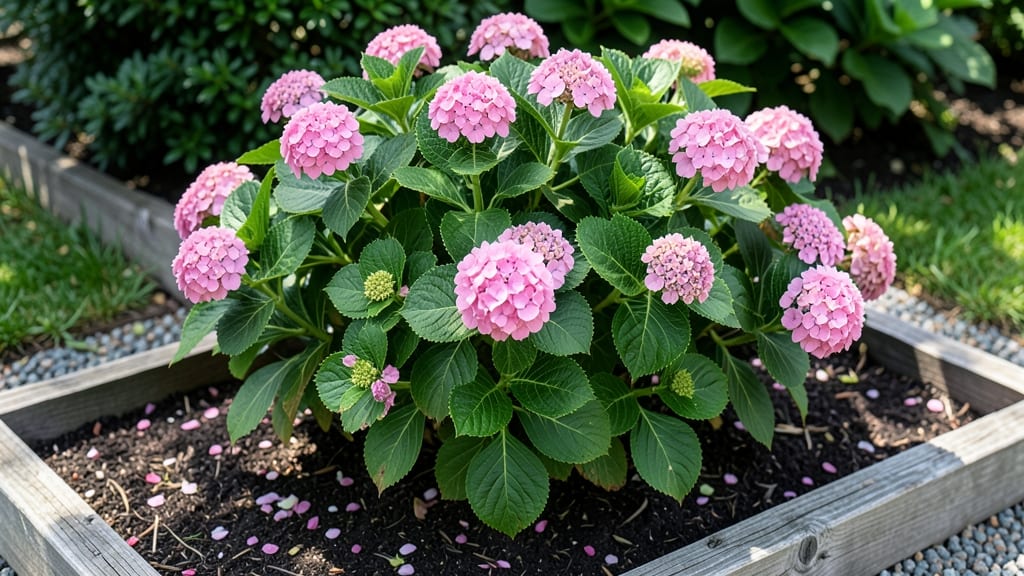
Growing Endless Summer Hydrangea macrophylla means purple blooms from spring to frost—no deadheading required. ✨ I’ve watched mine transform my shady corner into a lush, ever-changing display, and the secret lies in the right soil, water, and a little patience with pruning.
This hydrangea thrives in partial shade (3-6 hours of morning sun) and moist, well-draining soil—think rich compost mixed with peat moss. Overwatering causes bud drop, so aim for 1-1.5 inches of water weekly, adjusting for rain.
The reblooming magic happens when you prune right after flowering in late summer, cutting back old stems to encourage fresh growth.
By next spring, you’ll see bold, glossy leaves and clusters of blooms that shift color based on soil pH—blue in acidic soil, pink in alkaline. The best part? No deadheading means zero maintenance once established, just occasional pruning to shape the plant.
Perfect for containers or garden beds, this hydrangea adapts to zones 4-9, making it a foolproof choice for year-round color. Here’s how to keep yours thriving without the fuss.
📚 In This Guide
- What you need
- Instructions
- Tips and common mistakes
- Wrapping up and next steps
What you need
- ● Endless Summer Hydrangea macrophylla plant – 1 mature plant (3-5 gallons in size) or 3-5 young plants (1-gallon pots) for better coverage.
- ● Well-draining potting mix – 50% peat moss or coconut coir + 50% perlite or sand (for containers) or native soil amended with compost (for in-ground planting).
- ● Organic mulch – 2-3 inches of shredded bark, pine straw, or wood chips to retain moisture and regulate soil temperature.
- ● Slow-release fertilizer – 10-10-10 or acid-loving plant fertilizer (e.g., Miracle-Gro Azalea, Camellia, & Rhododendron).
- ● Watering can or hose with a gentle spray nozzle – For consistent moisture (especially critical in the first year!).
- ● Garden trowel or spade – For planting and soil amendments.
- ● Pruning shears – Sharp, clean shears (sterilize with rubbing alcohol between cuts).
- ● Gloves – Heavy-duty gardening gloves to protect your hands.
- ● pH testing kit – To ensure soil pH is between 5.2–6.0 (hydrangeas are picky!).
- ○ Container or raised bed (optional) – 15–20 gallon pot with drainage holes if planting in containers.
- ● ✅ Sunlight: Partial shade (4–6 hours of morning sun, afternoon shade in hot climates).
- ● ✅ Water access: Consistent moisture (1–2 inches per week; mulch helps retain it!).
- ● ✅ Patience: Mature plants take 1–2 years to reach full bloom potential.
- ● ✅ Pest awareness: Monitor for aphids (their favorite snack!) and treat with neem oil if needed.
Step-by-Step guide to growing Endless Summer hydrangea macrophylla
Here's how I keep my Endless Summer hydrangeas flowering nonstop—no deadheading required.
🌱 Step 1: Choose the Perfect Planting Location
Select a spot with partial shade—at least 4-6 hours of morning sun and dappled afternoon shade. Endless Summer thrives where temperatures stay below 80°F during peak bloom. I plant mine where mature trees filter sunlight in summer but allow winter sun exposure.
Check the soil pH with a test kit—this variety loves acidic soil (5.0-6.0). If your soil tests neutral, amend with sulfur or peat moss before planting. The roots need well-draining but moisture-retentive soil—amend heavy clay with compost and perlite if needed. Dig a hole twice as wide as the root ball but only as deep as the container's base.
☀️ Step 2: Plant With Proper Spacing and Mulch
Space plants 4-6 feet apart—they'll grow into large shrubs. Remove the plant from its container and loosen any circling roots gently with your fingers. Place it in the hole so the top of the root ball sits level with the surrounding soil—burying too deep suffocates the stem.
Backfill with native soil mixed with compost, pressing lightly around the edges to eliminate air pockets. Water deeply to settle the soil, then apply 3 inches of mulch (pine bark or shredded leaves) around the base, keeping it 2 inches away from the stem. This preserves moisture while preventing rot at the crown.
💧 Step 3: Water and Fertilize for Continuous Blooms
Water deeply 2-3 times per week during the first growing season—1-1.5 gallons per plant—until the soil is 6 inches deep and evenly moist. You'll know it's right when water drips from the bottom of the hole. Overhead watering causes fungal issues, so use a soaker hose or drip irrigation instead.
Feed with acid-loving plant fertilizer (like 10-10-10 or hydrangea-specific formula) every 6 weeks starting in early spring. I mix in cottonseed meal (high in nitrogen) in spring and bone meal (for blooms) in summer. Never fertilize in fall—it encourages tender new growth that won't survive winter.
✂️ Step 4: Prune Strategically for Year-Round Flowers
Prune only in late winter or early spring (before new growth begins). Remove dead, crossing, or weak branches first, then cut back last year's blooms to just above the first set of healthy leaves. Unlike traditional hydrangeas, Endless Summer blooms on both old and new wood, so you won't sacrifice flowers by pruning.
Shape the shrub by thinning interior branches to improve airflow—this prevents powdery mildew. Avoid heavy pruning in summer, as it stresses the plant and reduces next year's blooms. If you notice leggy growth, trim back 1/3 of the longest stems in early spring to encourage bushier habits.
🌿 Step 5: Protect and Maintain for Winter Hardiness
Mulch heavily (4-6 inches) around the base in late fall once temperatures drop below 40°F. I use straw or leaves because they insulate better than wood chips. Water sparingly in winter—only if the ground feels frozen or dry. Overwatering in cold soil leads to root rot.
Young plants (under 3 years old) benefit from burlap wrapping around the crown to shield from harsh winds. Established shrubs handle winter well but may need light pruning in late winter to remove any frost-damaged stems. Resist the urge to prune in fall—it disrupts the plant's natural dormancy cycle.
Tips & tricks for perfect Endless Summer hydrangea care
Here's what nobody tells you about keeping these beauties blooming all season long—without the guesswork.
Light Balance is Everything: That 4-6 hours of morning sun is non-negotiable, but I've learned the hard way that afternoon shade must be dappled, not dense. Solid afternoon shade can cause the plant to stretch and produce fewer blooms. If your yard only offers full sun, consider planting near a deciduous tree—it'll provide natural shade during peak summer heat while allowing winter sun exposure.
Soil Science Matters More Than You Think: The 5.0-6.0 pH range isn't just a suggestion—it's critical for blue flower production. I test my soil annually and amend with aluminum sulfate if pH drifts above 6.0. For heavy clay soils, that compost-perlite mix in Step 1 is your best friend—it improves drainage while maintaining moisture retention. Pro tip: Mix in a handful of coffee grounds occasionally—they're acidic and provide micronutrients.
Watering Wisdom That Prevents Common Failures: Those 2-3 weekly waterings during the first season should be your minimum, but don't assume established plants need less. I check soil moisture by sticking my finger 6 inches down—if it's dry, water deeply. The soaker hose recommendation is gold because it delivers water at root level where it's needed most, preventing fungal issues from overhead watering. In extreme heat (above 85°F), I increase to daily watering until the soil cools.
Pruning Precision for Maximum Blooms: When you're cutting back last year's blooms to just above the first set of healthy leaves in Step 4, look for the pair of leaves that form a V shape—they indicate where new growth will emerge. This is where your flowers will form. I always prune with clean, sharp shears and disinfect them between cuts to prevent spreading disease. For established shrubs, I never remove more than 1/3 of the plant's volume in any single pruning session—this maintains the plant's vigor.
Pro Tips for Endless Summer Hydrangea Macrophylla
- Here's what nobody tells you about keeping these beauties blooming all season long—without the guesswork.
- Light Balance is Everything: That 4-6 hours of morning sun is non-negotiable, but I've learned the hard way that afternoon shade must be dappled, not dense.
- Soil Science Matters More Than You Think: The 5.0-6.0 pH range isn't just a suggestion—it's critical for blue flower production.
Frequently asked questions
about Endless Summer Hydrangea macrophylla—because even the best bloomers need a little extra care! Here are answers to the most common queries to help you keep your hydrangeas thriving year-round.Why does my Endless Summer hydrangea stop blooming?
This variety blooms on old wood (last year’s growth) and new wood (current season’s stems), so blooming issues often stem from pruning at the wrong time. Avoid cutting back until late winter or early spring. If you prune too early, you risk removing next year’s flower buds. Pro tip: If pruning is necessary, wait until after the first frost or in late winter when the plant is dormant.
Can Endless Summer hydrangeas survive winter in cold climates?
Yes! These hydrangeas are hardy in USDA Zones 4-9, but they need winter protection in colder regions. Mulch the base with 2-3 inches of organic mulch (like shredded bark or straw) and wrap the plant in burlap or use a frost blanket for extra insulation. In extreme cold (<10°F), consider adding a layer of pine needles or leaves for added warmth. Pro tip: Avoid pruning in fall—wait until spring to encourage robust new growth.
How often should I water my Endless Summer hydrangea?
These hydrangeas love consistent moisture but hate soggy roots. Water deeply 1-2 times per week (more in extreme heat or drought), ensuring the soil stays evenly damp but not waterlogged. A 5-gallon container of water per plant is a good rule of thumb. Pro tip: Use a rain gauge or tuna can to measure water depth—aim for 1 inch per week (including rainfall).
How do I change the flower color of my Endless Summer hydrangea?
Unlike some hydrangeas, Endless Summer macrophylla doesn’t dramatically shift colors based on soil pH, but you can influence subtle changes. For blue flowers, amend the soil with aluminum sulfate (lower pH). For pink flowers, add lime or wood ash (raise pH). Test soil pH annually with a kit for best results. Pro tip: Avoid drastic pH swings—aim for gradual adjustments over months.
Are Endless Summer hydrangeas prone to pests like aphids?
Yes, aphids and spider mites can attack hydrangeas, but Endless Summer is more resilient than other varieties. Monitor leaves for sticky residue (honeydew) or tiny webs. Combat pests with a strong spray of water, insecticidal soap, or neem oil. Pro tip: Encourage beneficial insects like ladybugs by planting companion flowers (e.g., marigolds or alyssum) nearby.
What’s the best alternative if I can’t grow Endless Summer?
If your climate or soil isn’t ideal, consider these low-maintenance, reblooming hydrangeas:
- ‘Limelight’ – Compact, lime-green blooms; thrives in partial shade.
- ‘Little Lime’ – Dwarf variety with vibrant green flowers; perfect for containers.
- ‘Nikko Blue’ – Classic blue blooms; hardy in Zones 4-8.
- ‘Cityline Paris’ – Heat-tolerant; blooms on new wood only (easier pruning).
All are macrophylla hybrids with similar care needs but varying adaptability.
Wrapping up and next steps
The Endless Summer Hydrangea Macrophylla is a game-changer for gardeners craving low-maintenance, vibrant blooms all season long! 🌸 With its ability to rebloom effortlessly and resist aphids, it’s the perfect choice for both beginners and seasoned green thumbs.
Whether you’re adding color to containers or borders, this hydrangea delivers year-round beauty with minimal fuss—just plant, water, and enjoy!
Ready to transform your garden? Start by selecting your favorite variety and give it the perfect spot in your outdoor space. Happy gardening!