
Aphids
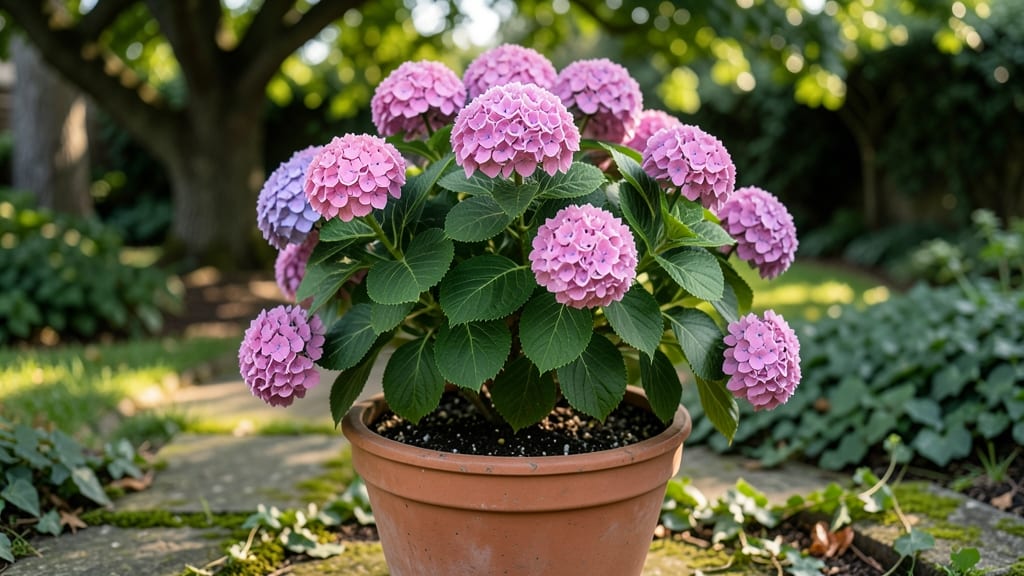
Your hydrangeas could bloom all summer long—literally. 🌸 The Endless Summer Mophead isn’t just another pretty face; it’s the first true reblooming hydrangea, meaning it keeps producing those iconic, dinner-plate-sized blooms from early summer through frost.
I’ve grown mine in containers for three seasons now, and the secret isn’t complicated—it’s about light, water, and a little strategic pruning. The magic starts with morning sun and afternoon shade—think dappled light under a tree or a spot where the midday heat gets blocked.
Soil pH matters too: aim for 5.2-6.2 to keep those blooms blue (add sulfur if yours lean purple). Containers need good drainage, and I’ve found 15-20 gallon pots give roots enough room to thrive without overheating.
What you’ll get is a plant that keeps delivering bold, lush blooms until fall, with minimal effort. The key is consistent moisture—never let the soil dry out completely—and a light pruning in late winter to shape the plant and encourage new growth. Even my black thumb can’t kill these.
Works in patios, balconies, or even as a striking container specimen. Here’s how to keep yours thriving all season.
📚 In This Guide
- What you need
- Instructions
- Tips and common mistakes
- Wrapping up and next steps
What you need
- ● Endless Summer Mophead Hydrangea Plant: 1 healthy, well-rooted plant (bare-root or potted, 1–3 gallons in size)
- ● Check for Hydrangea macrophylla ‘Bailmeri’ tag for authenticity
- ● Container: 1 large container (15–20 gallons) with drainage holes
- ● Material: Terracotta, fiberglass, or plastic (avoid treated wood)
- ○ Optional: Self-watering container for convenience
- ● Soil Mix: 1 part high-quality peat-free potting mix
- ● 1 part perlite or pumice (for aeration)
- ● 1 part compost or aged manure (for nutrients)
- ○ Optional: Add hydrangea-specific fertilizer (10-10-10 ratio) at planting
- ● Tools: 1 pair of pruning shears (sterilized)
- ● 1 trowel or garden spade (for repotting)
- ● 1 watering can or hose with gentle spray
- ○ Optional: Mulch (2–3 inches of pine bark or shredded leaves)
- ● Prerequisites: Full sun to partial shade (4–6 hours of sunlight daily)
- ● Consistent moisture (containers dry out faster!)
- ● Protection from strong winds (stake if needed)
Step-by-Step guide to growing Endless Summer mophead hydrangeas in containers
Here's how to coax those iconic blue-purple blooms all season—no winter dormancy required.
🪴 Step 1: Select the Right Container and Soil Mix
Choose a 15-20 gallon container with drainage holes—hydrangeas hate soggy roots. I use terra cotta pots because they wick away excess moisture naturally. Fill the bottom third with gravel or expanded shale for drainage, then add a high-quality acid-loving potting mix mixed with 20% perlite. This blend prevents compaction and keeps roots oxygenated.
Moisten the mix until it's damp but not dripping. The goal is a fluffy, well-aerated medium that holds moisture without staying waterlogged. I always test by squeezing a handful—it should hold its shape but crumble slightly when pressed. This ensures proper drainage while retaining enough water for hydrangea roots.
🌱 Step 2: Plant Your Hydrangea with Proper Spacing
Remove the plant from its nursery pot and gently loosen the roots if they're circling. Position the root ball so the top sits 1 inch below the container rim—this prevents soil from spilling out and allows for watering. For Endless Summer mopheads, you'll want one plant per container since they grow 4-5 feet wide at maturity.
Backfill with your prepared mix, pressing lightly to eliminate air pockets. Water immediately after planting to settle the soil around roots. Here's the thing—hydrangeas are heavy feeders, so I mix in slow-release acid-loving fertilizer at planting time. This gives them a nutrient boost right when they need it most.
☀️ Step 3: Position for Optimal Light and Watering
Place your container in morning sun with afternoon shade—at least 4-6 hours of direct sunlight daily. Too much harsh afternoon sun can scorch leaves, while too little light results in sparse blooms. I notice the biggest difference when plants get 6+ hours of light: they produce more and larger blooms each season.
Water deeply 2-3 times per week, ensuring the top 3-4 inches of soil stay consistently moist. Check by sticking your finger in—if it feels dry at that depth, it's time to water. For blue blooms, maintain soil pH between 5.0-5.5 using hydrangea-specific acidifier every 4-6 weeks. The color change happens fast—you'll see it within days of adjusting pH!
✂️ Step 4: Prune and Feed for Continuous Blooms
Prune in early spring before new growth appears, cutting back last year's stems by half. This encourages bushier growth and more blooms. I always use clean, sharp pruners to make clean cuts just above a leaf node. Remove any dead or crossing branches while you're at it—this improves airflow and prevents disease.
Feed every 4-6 weeks with balanced acid-loving fertilizer (10-10-10 or similar). The secret to endless blooms is consistent feeding—don't skip this step. I also add compost tea monthly for extra micronutrients. You'll know you're doing it right when you see new growth appearing within 2-3 weeks of feeding.
🌿 Step 5: Overwinter Your Container Hydrangea
Before the first frost, move your container to a protected location like a garage or covered porch where temperatures stay above 20°F. Wrap the pot in bubble wrap and cover with mulch or straw to insulate roots. This protects against freezing while allowing some airflow to prevent rot.
Water sparingly during winter—just enough to keep soil from drying completely. In early spring, when night temperatures stay above 40°F, move it back outdoors and resume regular care. The transition back to active growth happens fast—you'll see new shoots within 2-3 weeks of returning it to normal conditions.
Tips & tricks for perfect Endless Summer mophead hydrangeas
These game-changing strategies will help you avoid common pitfalls and get those stunning blooms all season long.
Soil Mix Secret: When mixing your acid-loving potting soil with 20% perlite in Step 1, I recommend adding a handful of worm castings to the blend. This boosts microbial activity, helping roots absorb nutrients more efficiently. The castings also improve soil structure, which is especially important for container-grown plants where compaction happens faster. Think of it as a natural soil conditioner that works quietly in the background.
Light Positioning: That 4-6 hours of morning sun is non-negotiable, but here's the thing about afternoon shade—position your container where it gets filtered light rather than harsh shade. I've found that placing them near deciduous trees works beautifully. The dappled light prevents leaf scorch while still allowing enough photosynthesis for those vibrant blooms. You'll notice a difference in leaf health within just a few weeks of proper positioning.
Pruning Precision: When you're cutting back last year's stems by half in Step 4, focus on making your cuts just above a leaf node where new growth will emerge. I always use a sharp pair of pruners and make the cut at a 45-degree angle to prevent water from pooling on the cut surface. This simple technique reduces the risk of disease while encouraging stronger new growth. The result? Bushier plants with more abundant blooms the following season.
Winter Protection: For that critical 20°F minimum during winter storage, I've had success using a combination of bubble wrap and straw. First wrap the pot tightly with bubble wrap, then cover the entire pot with straw, leaving only the top few inches exposed. This creates an insulating barrier that protects roots while still allowing some airflow. When you bring it back outdoors in spring, you'll see those new shoots appear within 2-3 weeks as promised.
Pro Tips for Endless Summer Mophead Hydrangea
- These game-changing strategies will help you avoid common pitfalls and get those stunning blooms all season long.
- Soil Mix Secret: When mixing your acid-loving potting soil with 20% perlite in Step 1, I recommend adding a handful of worm castings to the blend.
- Light Positioning: That 4-6 hours of morning sun is non-negotiable, but here's the thing about afternoon shade—position your container where it gets filtered light rather than harsh shade.
Frequently asked questions
about Endless Summer Mophead Hydrangeas—because even the pros need a little help sometimes!How do I keep my Endless Summer hydrangea blooming all year in containers?
Prune lightly in early spring (just above the first set of leaves) and deadhead spent blooms. Use well-draining soil, water consistently, and fertilize monthly with a balanced formula. Move containers to partial shade in hot climates—hydrangeas hate scorching sun!
When is the best time to plant or repot my Endless Summer hydrangea?
Spring or early fall is ideal! Avoid extreme heat or frost. If repotting, choose a container 1-2 inches larger than the root ball. Pro tip: Add compost or organic matter to the soil mix for extra nutrients.
Why aren’t my hydrangea blooms as big as they should be?
Oversized containers, poor drainage, or inconsistent watering can stunt blooms. Check for pests like aphids (spray with soapy water if needed) and ensure they get 4–6 hours of morning sun. Bonus: Acidic soil (pH 5.5–6.2) boosts vibrant blooms!
Can I grow Endless Summer hydrangeas in full shade?
They prefer partial shade (4–6 hours of light), but full shade may reduce blooms. If your yard is shady, place containers near a bright window or use grow lights. Test soil moisture often—containers dry out faster in shade!
How do I change my hydrangea’s flower color?
Add aluminum sulfate (for blue) or lime (for pink) to the soil. For containers, soak roots in a 1:10 water-aluminum sulfate mix (blue) or a weak lime solution (pink). Warning: Color shifts take 2–3 weeks!
Wrapping up and next steps
The Endless Summer Mophead Hydrangea is a dream come true for gardeners craving year-round color with minimal fuss! 🌸 With the right container, soil, and care, you’ll enjoy blooms from spring to frost—and even surprise reblooms in mild winters.
This beauty thrives in pots, making it perfect for patios, balconies, or small spaces.
Now that you’re armed with pro tips, FAQs, and container magic, it’s time to roll up your sleeves!
Start by picking your favorite pot, mix up that well-draining soil, and plant your hydrangea with confidence. Watch it flourish—and don’t forget to share your blooming masterpiece with fellow plant lovers! 🌿✨