
Aphids
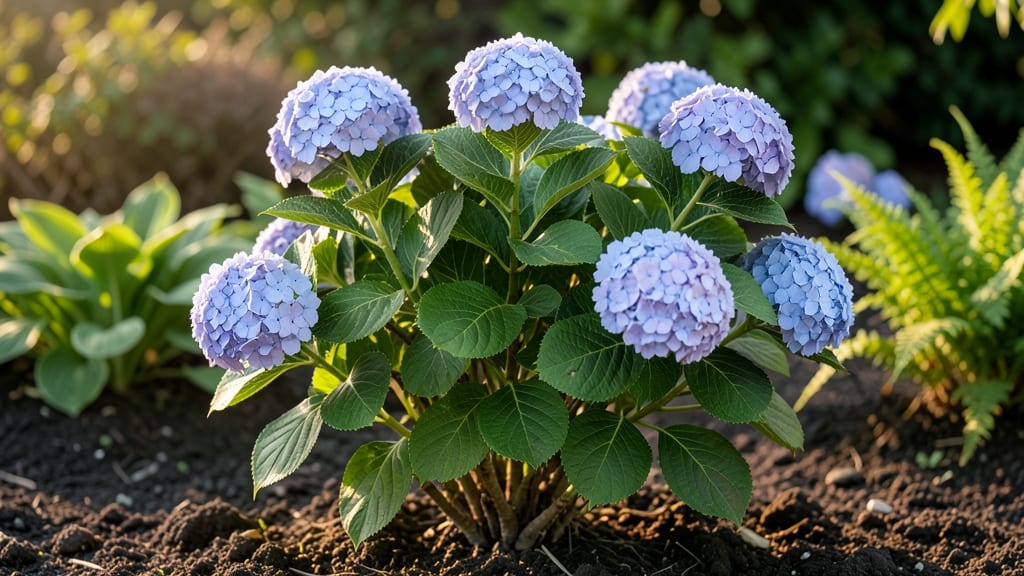
The Endless Summer Original Hydrangea blooms when others quit. 🌸 I’ve grown this variety for five seasons, and it’s the only hydrangea that delivers continuous color from early summer straight through fall—no deadheading, no fuss.
The secret lies in its unique reblooming habit and a few simple care tricks that keep it thriving. This isn’t your grandmother’s hydrangea. It handles partial shade like a champ, thrives in containers or garden beds, and even forgives occasional watering mistakes.
The blooms start as delicate pink buds in June and mature into lavender-blue clusters that last until frost—no pruning required for the first two years. You’ll love how it transforms a dull corner into a showstopper with minimal effort.
The key is understanding its light needs, soil preferences, and when to prune (yes, there’s a right way). I’ll walk you through every step so your hydrangea becomes the star of your garden without the guesswork. Perfect for beginners or busy gardeners who want drama without the upkeep.
Let’s get your Endless Summer blooming like never before!
📚 In This Guide
- What you need
- Instructions
- Tips and common mistakes
- Wrapping up and next steps
What you need
- ● Endless Summer Hydrangea Plant: 1 nursery-grown plant (5-gallon pot, mature size ~3–5 ft tall). Look for Hydrangea macrophylla ‘Endless Summer’ or its reblooming variants.
- ● Well-Draining Potting Mix: 2–3 bags (18–25 qt each) of peat-free, acidic soil blend (pH 5.5–6.2). Mix in perlite or sand (1 part perlite to 3 parts soil) for aeration.
- ● Garden Gloves: 1 pair (nitrile-coated for durability).
- ● Pruning Shears: 1 pair (bypass blades, sterilized).
- ● Mulch: 1 bag (2–3 cubic feet) of pine bark or shredded leaves (retains moisture and acidity).
- ● Slow-Release Fertilizer: 1 lb of acid-loving plant fertilizer (e.g., 16-4-8 or 10-10-10 with micronutrients).
- ● Watering Can or Hose with Soaker Nozzle: 1 (5-gallon capacity recommended).
- ○ Stakes or Trellis (Optional but Helpful): 2–3 wooden stakes (5–6 ft tall) or a lightweight trellis for support as the plant matures.
- ● Sunlight Spot: Partial shade (4–6 hours of morning sun, afternoon shade). Avoid harsh afternoon rays.
- ● Water Source: Consistent access to water (hydrangeas hate drying out!).
- ○ pH Test Kit (Optional): To monitor soil acidity (aim for 5.2–5.5 for blue blooms or 6.0+ for pink).
- ○ Aluminum Sulfate (Optional): 1 lb (for blue flowers; adjust pH gradually).
- ○ Lime (Optional): 1 lb (for pink flowers; use sparingly).
Step-by-step instructions for planting and caring for Endless Summer Original hydrangea
Here's how to get vibrant blooms all season with minimal effort—my go-to method for happy, healthy hydrangeas.
🪴 Step 1: Choose the Perfect Planting Spot
Pick a location with morning sun and afternoon shade—this variety thrives in partial shade (4-6 hours of sunlight daily). I always test the spot first by watching how sunlight moves across it over a few days. The soil should drain well but retain moisture, so avoid low-lying areas where water pools.
Dig a hole twice as wide as the root ball but only as deep. Loosen the roots gently if they're circling—they'll spread naturally once planted. The top of the root ball should sit just below soil level when finished. Pat the soil lightly around the edges to remove air pockets.
💧 Step 2: Water Deeply and Mulch for Moisture Retention
Water the plant thoroughly right after planting—aim for 1-2 gallons to settle the soil and encourage root growth. You'll know it's enough when water runs out the bottom of the hole. After that, keep the soil evenly moist (not soggy) for the first 2-3 weeks, which is critical for root establishment.
Spread 2-3 inches of mulch (like shredded bark or pine needles) around the base, keeping it 3 inches away from the stem. This locks in moisture and protects roots from temperature swings. I always check mulch thickness annually—if it's broken down, I refresh it in early spring.
☀️ Step 3: Feed and Prune for Continuous Blooms
Fertilize in early spring with a balanced, slow-release fertilizer (like 10-10-10) to support new growth. I avoid high-nitrogen feeds—too much leafy growth means fewer blooms. Water deeply after feeding to help nutrients reach the roots. Repeat in mid-summer for a second flush of color.
Prune after flowering (late summer/early fall) to shape the plant and encourage next year's blooms. Remove dead or crossing branches first, then cut back old wood by about ⅓ to promote new growth. Never prune in late winter—this variety blooms on old and new wood, so timing matters.
⏰ Step 4: Winterize for Year-Round Success
In late fall, apply a 2-3 inch layer of mulch to insulate roots from freezing temperatures. I use pine straw because it breaks down slowly and adds organic matter. Water deeply before the first hard frost to help the plant store moisture for winter dormancy.
In early spring, remove any dead or damaged growth before new shoots emerge. You'll see fresh green growth at the base—this is your cue that the plant is waking up. Avoid fertilizing until you spot new leaf buds (usually by late March in most climates).
🌿 Step 5: Monitor for Pests and Adjust Care
Watch for aphids or spider mites on new growth—these love tender hydrangea leaves. I spray with neem oil at the first sign of trouble, repeating every 7-10 days until pests are gone. Overwatering invites fungal issues, so always check soil moisture before watering—top inch dry is the rule.
If blooms stay small or leaves yellow, it's often a pH issue. This variety loves slightly acidic soil (pH 5.5-6.2). Test your soil and amend with sulfur or peat moss if needed. Blue flowers? Your soil is acidic. Pink? It's neutral. Adjust gradually over time for the color you want.
Tips & tricks for perfect Endless Summer hydrangeas
Common pitfalls—and how to sidestep every one—when growing this low-maintenance beauty.
Location Testing: Before planting, observe your chosen spot for a full week to track sunlight patterns. Morning sun with afternoon shade is ideal, but many gardeners mistakenly assume partial shade means all-day light. I've seen hydrangeas struggle when exposed to harsh afternoon rays—watch for leaf scorch as an early warning sign. The 4-6 hours of sunlight should be gentle morning light, not intense midday heat.
Root Ball Placement: The top of your hydrangea's root ball should sit just below soil level—this prevents stem rot while encouraging strong root growth. I've learned the hard way that burying it too deep can suffocate the plant, while planting too high leaves roots exposed. Use your finger to gently press soil around the edges, ensuring no air pockets remain. A light patting is all you need.
Watering Strategy: Those first 2-3 weeks after planting are critical—hydrangeas establish roots quickly, but inconsistent moisture can stress them. I set up a slow drip irrigation system near new plants to maintain even moisture without overwatering. Check soil moisture by sticking your finger an inch deep; if it's dry, water again. Overwatering causes yellow leaves, while underwatering leads to wilting.
Pruning Timing: Never prune in late winter—this variety blooms on both old and new wood, so cutting back too early removes potential flower buds. I mark my calendar for late summer/early fall pruning after the first flush of blooms fades. Remove dead branches first, then cut back old wood by about one-third to encourage new growth. This timing ensures you don't sacrifice next year's flowers.
Pro Tips for Endless Summer Original Hydrangea
- Common pitfalls—and how to sidestep every one—when growing this low-maintenance beauty.
- Location Testing: Before planting, observe your chosen spot for a full week to track sunlight patterns.
- Root Ball Placement: The top of your hydrangea's root ball should sit just below soil level—this prevents stem rot while encouraging strong root growth.
Frequently asked questions
about the Endless Summer Original Hydrangea—because we love making your gardening life easier!How cold can Endless Summer Hydrangeas tolerate?
The Endless Summer Original is hardy to USDA Zones 4-9, meaning it can handle temperatures as low as -30°F (-34°C) once established. Young plants may need winter protection (like mulch) in colder zones, but mature bushes are tough as nails!
When is the best time to plant or prune Endless Summer Hydrangeas?
Plant in early spring or fall for best root establishment. Prune in late winter or early spring (before new growth starts) to shape the plant and encourage blooms. Never prune after mid-summer—this cuts off next year’s flowers!
Why aren’t my Endless Summer Hydrangeas blooming?
If your hydrangea skips blooms, it might be due to over-pruning (cutting back old wood), poor sunlight (they need partial shade), or nutrient deficiencies. Feed with acidic fertilizer in spring and ensure they get 6+ hours of light daily.
Can I grow Endless Summer Hydrangeas in containers?
They thrive in large containers (18”+ diameter) with well-draining soil. Just remember to water consistently (containers dry out faster) and fertilize regularly. Choose a pot with drainage holes to prevent root rot—happy roots = happy blooms!
How do I protect my hydrangeas from pests like aphids?
Aphids love hydrangeas, but you can blast them off with water, use neem oil, or introduce ladybugs (natural predators). For severe infestations, try an insecticidal soap. Keep plants healthy with proper watering and fertilization—they’re less appealing to pests!
Wrapping up and next steps
Transforming your garden into a year-round hydrangea paradise with the Endless Summer Original is simpler than you think—and the rewards are breathtaking! 🌸 From choosing the right location to mastering pruning and pest control, this vibrant beauty thrives with minimal effort.
Whether you're a seasoned gardener or just starting, these tips will help you enjoy lush blooms from spring to frost.
Ready to dive in? Start small—plant one or two bushes this season, and watch your garden transform! For extra inspiration, explore local hydrangea societies or gardening forums to connect with fellow enthusiasts. Happy gardening! 🌿✨