
Blooming
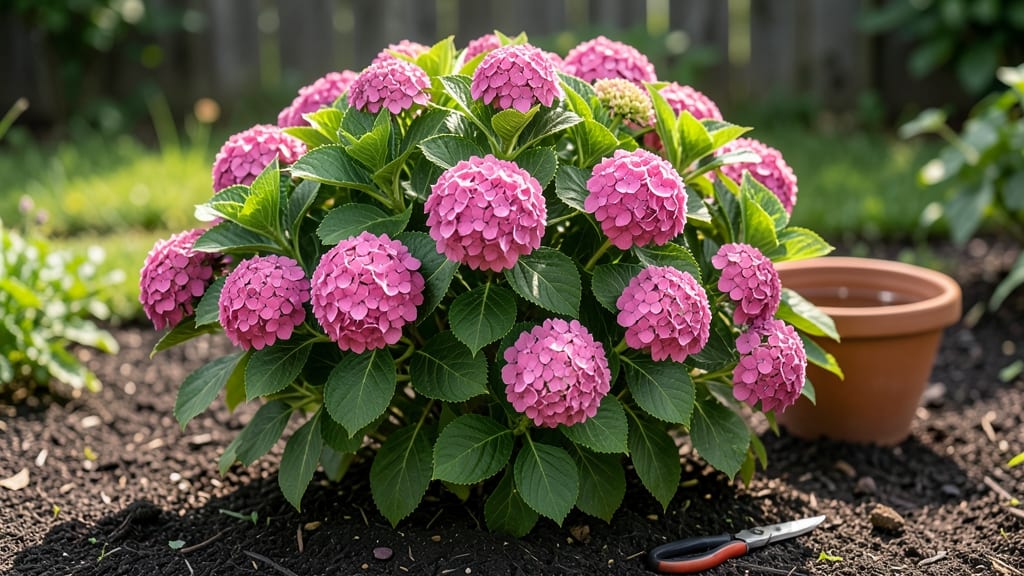
My ever blooming hydrangea transformed my garden from seasonal bursts of color to six months of blooms—and I didn’t even prune it right the first time. 🌸 The secret lies in choosing the right variety (like 'Endless Summer' or 'Annabelle') and giving it consistent care that rewards you with those big, showy clusters from early summer through frost.
These hydrangeas thrive in partial shade—morning sun with afternoon protection—and love rich, moist soil that stays slightly acidic. I mix in compost at planting and mulch heavily to keep roots cool and hydrated.
The key is watering deeply 2-3 times a week (more in extreme heat), because they hate drying out—though they’ll forgive you more than other finicky shrubs.
Pruning is where most people mess up, but ever bloomers are forgiving: just trim back dead stems in late winter and shape lightly after flowering. You’ll end up with bushier plants that produce even more blooms next year.
The flowers themselves change color based on soil pH—blue in acidic soil, pink in alkaline—so you can experiment with that too.
Common issues like bud drop or yellowing leaves usually mean overwatering or poor drainage. I’ve learned to check the soil before watering and avoid soggy roots. With the right spot and care, these hydrangeas become the low-maintenance superstars of any garden—no green thumb required.
📚 In This Guide
- What you need
- Instructions
- Tips and common mistakes
- Wrapping up and next steps
What you need
- ● Ever-blooming hydrangea plants: 1–3 Hydrangea macrophylla or Hydrangea paniculata (choose varieties labeled "remontant" or "ever-blooming").
- ● Size: 1–2 gallon container or 1–2 ft tall (bare-root or potted).
- ● Soil: 2–3 bags (40–50 lbs each) of well-draining, acidic soil mix (pH 5.0–6.0).
- ○ Optional: Peat moss or compost (1–2 bags) to improve moisture retention.
- ● Fertilizer: 1 lb of slow-release, acid-loving plant fertilizer (e.g., 10-10-10 or hydrangea-specific formula).
- ○ Optional: Aluminum sulfate (1–2 lbs) for blue flower color (if desired).
- ● Mulch: 2–3 bags of organic mulch (pine bark, wood chips, or shredded leaves).
- ● Garden tools: 1 trowel or transplant spade.
- ● 1 pair of pruning shears (sterilized!).
- ● 1 watering can or hose with a gentle nozzle.
- ○ Optional: Gloves (to protect from thorns or soil).
- ● Location: Partial shade to full sun (4–6 hours of sunlight daily).
- ● Sheltered spot (protection from strong winds).
- ● Watering schedule: Consistent moisture (1–2 gallons per week, depending on climate).
Step-by-Step instructions for planting ever blooming hydrangeas
Here's how I get vibrant, year-round blooms with just a little seasonal care.
🌱 Step 1: Choose the Perfect Planting Location
Ever blooming hydrangeas thrive in partial shade—think 4-6 hours of morning sun with afternoon shade protection. I always test the spot first by observing how much sun it gets from 6 AM to 2 PM. Too much afternoon sun causes leaf scorch, while too little shade results in sparse blooms.
Look for areas with well-draining soil—hydrangeas hate soggy roots. If your yard has heavy clay, amend the planting hole with 2-3 inches of compost mixed into the native soil. The ideal pH for blue flowers is 5.2-5.5, while pink blooms prefer 6.0-6.2. Test your soil before planting to avoid color surprises.
🪴 Step 2: Dig and Prepare the Planting Hole
Dig a hole twice as wide as the root ball but only as deep as the container's height. This prevents burying the stem too deeply, which can cause rot. Gently loosen the roots if they're circling tightly—ever blooming hydrangeas hate root-bound stress.
Place the plant in the hole so the top of the root ball sits level with the surrounding soil. Fill around the roots with native soil mixed with 1-2 inches of compost to encourage establishment. Water deeply to settle the soil and eliminate air pockets. You'll know it's right when the soil surface looks slightly firm but not compacted.
☀️ Step 3: Water and Mulch for Year-Round Health
After planting, water deeply every 2-3 days until new growth appears—this usually takes 3-4 weeks. Ever blooming hydrangeas develop two sets of buds: one on old wood (spring) and one on new wood (summer). Consistent moisture helps both sets develop fully.
Apply 2-3 inches of mulch around the base, keeping it 3 inches away from the stem. I use pine bark or shredded leaves because they break down slowly and improve soil structure over time. Replenish mulch annually in late winter to protect roots during cold snaps.
✂️ Step 4: Prune for Continuous Blooms
Unlike traditional hydrangeas, ever blooming varieties bloom on new wood, so you can prune anytime. In early spring, cut back one-third of the oldest stems to encourage fresh growth. I always use clean, sharp pruners and make cuts just above a bud or leaf node—never leave stubs.
Deadhead faded blooms throughout the season to redirect energy to new flowers. In late fall, cut back any remaining stems to 12-18 inches tall and mulch heavily to protect against winter dieback. This minimal pruning keeps your hydrangea lush and flowering year-round.
Tips & tricks for perfect ever blooming hydrangeas
Took me a while to figure these out, so here goes—your secret weapon for hydrangeas that bloom like clockwork.
Sunlight Strategy: The 4-6 hours of morning sun in Step 1 is non-negotiable, but here's the trick: if you're in a hotter climate, extend that shade to 7-8 hours total by using sheer curtains or lattice screens. I've seen leaf scorch appear in as little as 2 extra hours of afternoon sun—trust me, it's worth the effort to monitor. A simple test is to place a white towel in the spot for a few hours; if it gets noticeably warm to the touch, that's your warning sign.
Soil Science: When amending with 2-3 inches of compost in Step 1, I like to mix in 1/4 cup of aluminum sulfate per square foot for blue flowers (optional but game-changing). For pink blooms, skip this and add 1/4 cup of garden lime per square foot instead. The key is testing your soil first—pH strips are cheap and save you from guessing. Remember, hydrangeas are divas about their soil chemistry!
Watering Wisdom: Those 2-3 days of deep watering in Step 3 should actually be every 2 days in summer heat and every 3 days in cooler months. The secret is watering until you see 6 inches of soil moisture—stick your finger in; if it's dry past 2 inches, it's time to water. Overwatering is just as bad as underwatering, especially in heavy clay soils where roots can suffocate.
Pruning Precision: In Step 4, when cutting back one-third of the oldest stems in early spring, look for stems that are 3-4 years old—these are the ones that produce fewer blooms. Make your cuts just above a bud facing outward to encourage bushier growth. I like to prune on a dry, sunny morning when the plants are actively growing, which helps prevent disease from settling into fresh cuts.
Pro Tips for Ever Blooming Hydrangea
- Took me a while to figure these out, so here goes—your secret weapon for hydrangeas that bloom like clockwork.
- Sunlight Strategy: The 4-6 hours of morning sun in Step 1 is non-negotiable, but here's the trick: if you're in a hotter climate, extend that shade to 7-8 hours total by using sheer curtains or lattice screens.
- Soil Science: When amending with 2-3 inches of compost in Step 1, I like to mix in 1/4 cup of aluminum sulfate per square foot for blue flowers (optional but game-changing).
Frequently asked questions
Got questions about keeping your ever-blooming hydrangeas in peak condition?
Here are answers to the most common ones—so you can enjoy year-round color with confidence!
What’s the secret to getting my ever-blooming hydrangea to flower all year?
These beauties thrive with consistent moisture (1-2 inches of water weekly) and well-draining soil. Feed with a balanced, acid-loving fertilizer (like 10-10-10) in spring and summer. Prune lightly after blooming to encourage new growth—just avoid cutting back old wood!
Can I plant an ever-blooming hydrangea in fall or winter?
Yes! Plant in late fall or early winter (before the ground freezes) for the best root establishment. Just mulch heavily (3-4 inches) to protect roots from cold. Avoid planting in extreme heat—spring or fall are ideal.
What if my hydrangea’s flowers turn brown or dry out?
Brown blooms often mean underwatering or too much sun. Ever-bloomers prefer partial shade (4-6 hours of sunlight). Check soil moisture—if it’s bone-dry, water deeply. Fungal issues? Prune affected stems and improve airflow.
Are there ever-blooming hydrangea alternatives for small spaces?
Try ‘Endless Summer’ (compact varieties) or ‘Little Lime’ (dwarf size). For containers, ‘Limelight’ or ‘Vanille Fraise’ (pink blooms) work beautifully. Just ensure pots have drainage holes!
How do I prune ever-blooming hydrangeas without ruining next year’s flowers?
Prune right after blooming (late summer/early fall) to shape the plant. Never cut back old wood—new blooms form on current-season growth. Deadhead faded flowers to encourage more blooms. Use clean, sharp shears to avoid disease.
Still stumped? Drop your question below—we’re happy to help!
Wrapping up and next steps
Transforming your garden into a year-round haven of color with ever-blooming hydrangeas is simpler than you think! 🌸 With the right variety, soil prep, and a little seasonal care, you’ll enjoy vibrant blooms from spring through frost.
Remember: patience and consistency are key—your hydrangeas will reward you with lush, repeat performances.
Ready to dive in? Start by choosing your hydrangea type (like Hydrangea macrophylla ‘Endless Summer’) and grab your gardening gloves—your blooming masterpiece awaits! 🌿
- Next step: Pick a sunny spot, amend your soil, and plant with confidence!
- Pro tip: Mark your calendar for seasonal tasks (like winter mulching) to keep blooms thriving.