
Companion Plants
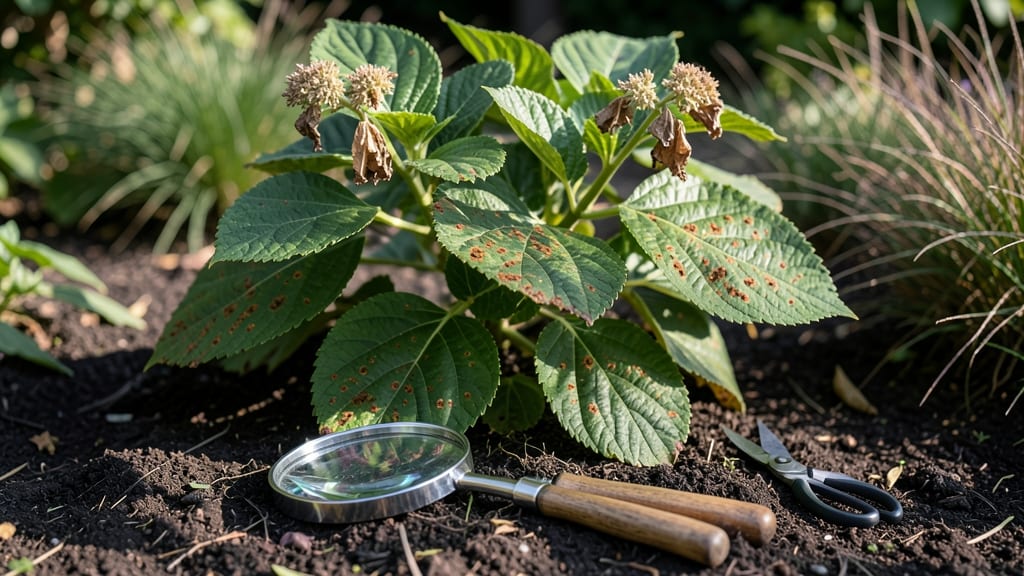
The rust on hydrangea plant you’re seeing—those telltale orange spots—isn’t just unsightly; it’s a fungal infection that can weaken your plant if left untreated. 🌿 I’ve battled this same issue with my Bigleaf hydrangeas, and I’ll show you exactly how to identify it. stop it from spreading, and bring back those vibrant blue blooms you love.
The problem starts with too much moisture—think rain, overhead watering, or dense foliage that traps humidity. Hydrangeas love shade and moisture, but fungal spores thrive in those same conditions. The good news? Rust isn’t usually fatal, and with the right care, your plant can bounce back stronger than ever.
We’ll tackle this in three steps: prune the infected leaves, apply a simple organic fungicide like neem oil, and adjust your watering habits to keep foliage dry. Within weeks, you’ll see fresh green leaves pushing through, and those signature blooms will return—just as lush as before.
This works for all hydrangea types, whether you’re growing in containers or garden beds. The key is acting fast and staying consistent. Let’s get your plants back to their best!
The Hidden Triggers Behind Rust
Rust on your hydrangeas isn’t just an aesthetic nuisance—it’s a fungal infection with specific causes, each tied to environmental and plant health factors. Understanding these triggers is the first step to preventing future outbreaks and keeping your blooms vibrant.
Let’s break down the science behind why rust shows up on hydrangeas, so you can address the root of the problem.
Rust diseases are caused by fungal pathogens in the genus Puccinia or Hemileia, which thrive in moist conditions. These spores are lightweight and can travel via wind, water, or even garden tools from infected plants to your hydrangeas. Once they land on hydrangea leaves, they germinate and penetrate the plant’s surface, starting the infection cycle.
- How it spreads: Spores can linger in soil, mulch, or nearby plants for years, waiting for the right conditions to activate.
- Actionable insight: Isolate new plants for a few weeks before introducing them to your garden to prevent spore transfer. Remove and dispose of infected leaves (don’t compost them!) to break the cycle.
Rust fungi love moisture—think of them as aquatic invaders. Hydrangeas are particularly vulnerable when:
- Leaves stay wet for more than 6–12 hours (e.g., from rain, overhead watering, or poor drainage).
- Humidity levels remain high for extended periods, especially in shaded or densely planted areas.
- Morning dew lingers without drying by midday, creating a perfect fungal buffet.
- Science behind it: The fungal spores germinate and infect when water films cover leaf surfaces, allowing them to penetrate stomata (tiny pores) or directly through the cuticle.
- Fix it: Water at the base of the plant in the early morning so leaves dry quickly. Improve air circulation with strategic pruning or spacing.
While rust can appear in cool weather, it peaks in warm (60–80°F), damp conditions. Stagnant air—common in tight garden beds or greenhouses—traps humidity against leaves, creating a fungal paradise. Hydrangeas grown in shady, low-light spots are especially at risk because their leaves stay damp longer.
- Why it matters: Warmth speeds up fungal growth, while stagnant air prevents leaves from drying, prolonging the infection window.
- Solution: Thin out overgrown plants to improve airflow. If your hydrangeas are in shade, consider dwarf varieties or a partial-sun location.
Stressed hydrangeas are fungal magnets. When plants are nutrient-deficient, overcrowded, or struggling from pests, their natural defenses weaken, making them easy targets for rust. Common stress factors include:
- Poor soil quality (lack of organic matter or proper pH).
- Over-fertilization with high nitrogen, which promotes lush but weak growth.
- Competition for resources from invasive weeds or neighboring plants.
- Pro tip: 💡 Feed hydrangeas with compost or a balanced fertilizer (like 10-10-10) in early spring to boost immunity. Mulch with pine bark or wood chips to maintain soil moisture without suffocating roots.
Key takeaway: Rust isn’t random—it’s a response to specific environmental cues. By addressing moisture, airflow, and plant health, you can starve out fungal spores before they take hold. Next, we’ll dive into how to create an unfriendly environment for rust so your hydrangeas stay lush and disease-free.
Fixing Rust on Hydrangeas Naturally
Rust on hydrangeas isn’t just an eyesore—it weakens your plants and can spread quickly if left unchecked. The good news? With the right approach, you can restore your hydrangeas to their vibrant, bloom-filled glory.
Below, we’ll break down practical, step-by-step solutions tailored to the most common causes of rust, plus prevention tips to keep your plants healthy long-term.
If rust spores (those orange-brown pustules) are the culprit, act fast to stop the spread.
🔥 Step 1: Prune Infected Foliage
- 👨🍳 Cut away all leaves, stems, or flowers showing rust spots—do not compost them (they’ll reinfect your garden).
- ⏰ Time it right: Do this in early morning when humidity is lower to reduce spore dispersal.
- ✂️ Use clean tools: Sterilize pruners with rubbing alcohol or a 10% bleach solution (1 part bleach to 9 parts water) between cuts.
🌡️ Step 2: Improve Air Circulation
Fungal rust thrives in damp, crowded conditions. Space out plants by 2–3 feet and thin out overgrowth to let air flow freely.
💡 Step 3: Apply Fungicidal Sprays
- 🍄 Organic options:
- Neem oil spray (1 tsp neem oil + 1 tsp mild soap + 1 quart water).
Spray every 7–10 days until new growth appears. - Baking soda solution (1 tbsp baking soda + 1 quart water + a drop of dish soap). Test on a small leaf first to avoid burning. - 🧪 Chemical options (if organic fails): - Copper fungicide (follow label instructions).
Reapply after rain.
🌿 Prevention Tips
- 🌧️ Water wisely: Avoid overhead watering—use drip irrigation or water at the base in the early morning so leaves dry quickly.
- 🌱 Mulch properly: Apply 2–3 inches of organic mulch (like pine straw or shredded bark) to keep soil moist but reduce leaf wetness.
- 🔄 Rotate plants: If possible, move hydrangeas to a sunnier spot (rust loves shade and humidity).
If rust coincides with yellowing leaves or stunted growth, your soil might be too alkaline—hindering nutrient uptake and weakening the plant’s defenses.
📊 Step 1: Test Your Soil
- 🔬 DIY test: Use a soil pH test kit (available at garden centers) or send a sample to your local extension office.
- 💡 Ideal range: Hydrangeas thrive in pH 5.2–6.0 for blue blooms (lower pH = more aluminum uptake = blue flowers).
🍋 Step 2: Acidify the Soil
- 🍋 Organic acidifiers:
- Sphagnum peat moss (mix 2–3 inches into the topsoil).
- Pine needles or oak leaves (mulch heavily around the base).
- Cottonseed meal (high in nitrogen and slightly acidic—apply 1–2 lbs per 100 sq ft).
- 🧪 Chemical acidifiers (for quick fixes):
- Sulfur or aluminum sulfate (follow package rates).
Reapply every 3–6 months as needed.
🌱 Step 3: Feed for Strength
- 🍄 Fertilize with acid-loving plant food (like Miracle-Gro Azalea/Camellia/Rhododendron food).
- 🥗 Avoid lime or wood ash—these raise pH and worsen rust susceptibility.
✨ Prevention Tips
- 🌿 Monitor pH annually: Soil pH changes over time, especially after rain or amendments.
- 💧 Flush the soil: If you suspect salt buildup (from tap water), water deeply to leach out excess minerals.
- 🌱 Plant companions: Pair hydrangeas with azaleas, blueberries, or ferns—they share similar soil needs and deter pests.
If rust appears alongside chewed leaves or sap-sucking pests, insects may be weakening your hydrangea, making it vulnerable to fungal attacks.
🐜 Step 1: Identify the Culprit
Common pests include:
- 🐛 Japanese beetles (skeletonized leaves).
- 🐜 Aphids or spider mites (sticky residue or webbing).
- 🐞 Slugs/snails (irregular holes in leaves).
🧼 Step 2: Remove Pests
- 🍃 Manual removal:
- 🐛 Japanese beetles: Handpick into soapy water (early morning when they’re sluggish).
- 🐌 Slugs/snails: Set out beer traps (bury a shallow dish filled with beer) or use iron phosphate bait.
- 💦 Spray solutions:
- 🍋 Neem oil (deters aphids and mites).
- 🧴 Insecticidal soap (for soft-bodied pests—test on a small area first).
🛡️ Prevention Tips
- 🌿 Use row covers: Protect young plants with floating row covers to block beetles.
- 🌱 Plant pest-repelling companions: Marigolds, garlic, or chives near hydrangeas can deter pests.
- 🌧️ Encourage predators: Ladybugs and lacewings eat aphids—plant dill or fennel to attract them.
A healthy hydrangea fights off rust better. Follow these year-round tips to keep your plants strong:
- 🌞 Light: Ensure 6+ hours of sunlight (partial shade is fine, but avoid deep shade).
- 💧 Water: 1–1.5 inches per week (deep watering encourages strong roots).
- ✂️ Prune smartly:
- 🌸 After blooming, trim back old wood (for bigleaf hydrangeas) or new growth (for panicle/hortensia types).
- 🚫 Never prune in fall—this invites disease.
- 🌱 Divide every 3–5 years: Overcrowded roots stress plants—dig and separate in early spring.
Final Note: Rust may take 4–6 weeks to fully clear up, but consistency is key. Check plants weekly during rainy seasons and reapply treatments as needed. With these steps, your hydrangeas will bounce back—and those stunning blue blooms will return in full force! 💙🌸
Frequently asked questions
What do rust spots on hydrangeas actually look like?
The classic sign is orange-brown pustules on the undersides of leaves, often surrounded by yellow halos. These spots may appear powdery or blister-like, and they’ll eventually turn dark brown as the fungus matures. Unlike mildew (which is white/purple), rust has that distinctive rust-colored hue.
Can I still use my hydrangea leaves for tea if they have rust?
No, you should never use infected leaves for tea or compost. The fungal spores can spread to your compost pile and reinfect other plants. Instead, bag the infected leaves in a sealed plastic bag and throw them in the trash to prevent contamination.
How often should I spray neem oil to prevent rust?
Apply neem oil every 7–10 days during humid seasons (spring to early fall) for prevention. For active infections, spray twice weekly until new growth appears. Always spray in the early morning so the leaves have time to dry before evening humidity sets in.
Will rust kill my hydrangea plant?
Rust rarely kills hydrangeas outright, but severe infections can weaken the plant and reduce blooming. The key is early action—prune infected leaves immediately and improve airflow. With proper care, your hydrangea will recover and produce vibrant blooms the following season.
Why does my hydrangea get rust every year?
Recurring rust often means your plant’s environment isn’t changing—think shady, humid conditions with poor airflow. To break the cycle, space plants 2–3 feet apart, water at the base (not overhead), and mulch with pine straw (which naturally acidifies soil while improving drainage).