
Aphids
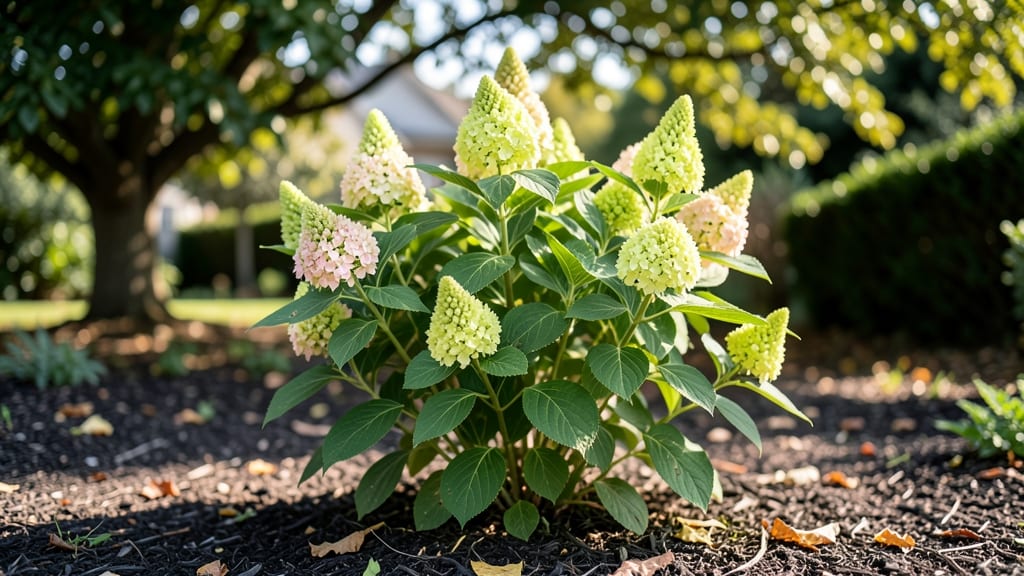
Your compact space just got a hydrangea game-changer. 🌿 The Forever Summer hydrangea blooms from early summer through fall, defying the "one-shot" rule that kills most varieties. I've trained mine up a trellis, and the result? A vertical waterfall of blooms where nothing else would fit.
This isn't your grandma's hydrangea—it thrives in partial shade, tolerates heat waves, and keeps producing even after the first frost. The secret lies in its reblooming ability, which turns a single planting into months of color.
My plants stay lush with just 1 inch of water per week and a light pruning in late winter. By late July, you'll be pinching back spent blooms to encourage new ones, and the flowers will stay vibrant until hard frost. The scent?
Lightly sweet, like a summer breeze through a garden. Perfect for small yards, balconies, or even container training. Here's where it gets interesting: pair it with clematis for vertical drama or shrub roses for a cottage-core combo. The only real enemy is soggy soil—drainage matters more than you'd think.
Let's get growing!
📚 In This Guide
- What you need
- Instructions
- Tips and common mistakes
- Wrapping up and next steps
What you need
- ● Forever Summer Hydrangea (Hydrangea macrophylla 'Forever & Ever') – 1 mature plant (3–5 gallons) or 3–5 young plants (1-gallon pots) for better coverage.
- ● Pole or trellis system – 6–8 ft tall, sturdy metal or wooden poles (1–2 per plant) or a pre-made obelisk trellis.
- ● Garden twine or soft plant ties – 10–20 ft of biodegradable or fabric twine (avoid wire!).
- ● Well-draining potting mix or garden soil – 2–3 cubic feet per plant (amend with compost for richer blooms!).
- ○ Mulch (optional but recommended) – 2–3 inches of shredded bark or pine straw to retain moisture.
- ● Trowel or hand shovel
- ● Pruning shears (sterilized!)
- ● Measuring tape (for spacing poles evenly)
- ● Gloves (to protect your hands from thorns or rough stems)
- ● Watering can or hose with a gentle spray nozzle
- ● Slow-release fertilizer (10-10-10 or hydrangea-specific blend) – 1–2 applications per season.
- ● Epsom salt or aluminum sulfate – For adjusting bloom color (pink/blue).
- ● Decorative stakes or lattice – For a polished, garden-ready look.
- ● Pest control (neem oil or insecticidal soap) – If aphids or spider mites become a nuisance.
Instructions for pole-trained Forever Summer hydrangeas
Here's how to coax those stunning blooms upward—without sacrificing space or strength.
🪴 Step 1: Choose and Prepare Your Support Pole
Select a 6-foot tall bamboo or metal trellis with 1-inch diameter and ¼-inch spacing between supports. I like bamboo because it’s lightweight but sturdy enough to hold the weight of blooms. Drive or sink the pole 12-18 inches deep into moist soil for stability—this prevents it from toppling when the hydrangea gets heavy.
If your soil is rocky or hard-packed, dig a 6-inch deep hole, fill it with sandy loam, then place the pole in the center. Tamp the soil firmly around it so it stands straight. The pole should be 12 inches from the hydrangea’s base—close enough for easy tying but far enough to avoid root disturbance.
☀️ Step 2: Select and Prune the Right Branches
Wait until late winter or early spring (just before buds swell) to prune. Look for 1-2-year-old wood—these branches produce the most abundant blooms. Cut back old wood (gray, woody stems) to the ground, but leave current season’s growth (green or reddish stems) intact. Forever Summer hydrangeas bloom on new wood, so pruning too late risks losing next year’s flowers.
Choose 4-6 of the strongest, upward-growing branches near the center of the plant. These will be your main stems for pole training. Trim any crossing or weak branches with clean, sharp pruners—this encourages energy to focus on the selected stems. Avoid cutting into the pith (the white center of the stem), as this weakens the branch.
🌿 Step 3: Tie and Train the Branches
Start training in early spring when new growth begins. Use soft plant ties (not wire or zip ties—they can damage bark as the stem thickens). Loop the tie around the main stem and the pole, leaving 1 inch of space between the branch and the pole. This prevents rubbing and allows the stem to grow freely.
As the branch grows, adjust the tie weekly—never leave it too tight. Forever Summer hydrangeas can grow 12-18 inches per season, so you’ll need to add 2-3 more ties along the pole’s length by mid-summer. Aim to space ties 6-8 inches apart to distribute weight evenly. If a branch bends too much, gently weave it around the pole instead of forcing it upright.
💧 Step 4: Water and Fertilize for Vertical Growth
Pole-trained hydrangeas need consistent moisture—water deeply 2-3 times per week until the top 6 inches of soil feel damp. Forever Summer varieties are drought-tolerant once established, but young plants wilt quickly if the soil dries out. Mulch with 2-3 inches of shredded bark around the base (but not touching the pole) to retain moisture and regulate soil temperature.
Feed with a balanced, slow-release fertilizer (10-10-10) in early spring and again in mid-summer. Avoid high-nitrogen fertilizers—they promote leafy growth at the expense of blooms. I also add 1 cup of compost around the base in spring to boost root health. Watch for yellowing leaves—this usually means overwatering or too much nitrogen.
✂️ Step 5: Maintain and Harvest Blooms
Prune spent blooms back to the first set of healthy leaves in late summer to encourage a second flush of flowers. Forever Summer hydrangeas can rebloom if given enough heat and light. Deadhead only after the first frost, as leaving some blooms on the plant helps the hydrangea store energy for next year.
To harvest, cut the longest stems (those trained up the pole) with clean pruners at a 45-degree angle just above a leaf node. Place stems in lukewarm water immediately—they’ll last 7-10 days in a vase. If you notice drooping or wilting, trim the stems again underwater and change the water to refresh them.
Tips & tricks for pole-trained Forever Summer hydrangeas
Here's what I learned after training my own Forever Summer hydrangeas—these tricks make all the difference for healthy, upward-growing blooms.
Pole Placement Matters: When positioning your 6-foot pole, check for underground utilities first—call 811 if unsure. I also recommend installing the pole slightly toward the south side of the plant to maximize sunlight exposure for the upward-growing branches. This small adjustment helps prevent shading that can weaken stems and reduce blooms.
Pruning Precision: In Step 2, when cutting back old wood, make your cuts just above a leaf node or outward-facing bud. This ensures new growth emerges in the right direction. I’ve found that using clean, sharp pruners is non-negotiable—dull blades crush stems, inviting disease. Also, avoid cutting into the pith (white center) of branches, as this creates entry points for pests and pathogens.
Tie Technique: The 1-inch gap between branch and pole in Step 3 is crucial—it prevents bark damage as stems thicken. I use soft plant ties made from recycled fabric, which stretch as branches grow. Pro tip: If a branch starts bending too much, gently weave it around the pole instead of forcing it upright. This natural training method produces stronger stems that can support heavier blooms later in the season.
Watering Wisdom: The 2-3 times per week watering schedule works best when you check soil moisture at the 6-inch depth mentioned in Step 4. I’ve learned to water in the early morning so leaves dry quickly, reducing fungal risks. For containers, I add a moisture meter to avoid overwatering—Forever Summer hydrangeas hate soggy roots but need consistent dampness to thrive.
Pro Tips for Forever Summer Hydrangea
- Here's what I learned after training my own Forever Summer hydrangeas—these tricks make all the difference for healthy, upward-growing blooms.
- Pole Placement Matters: When positioning your 6-foot pole, check for underground utilities first—call 811 if unsure.
- Pruning Precision: In Step 2, when cutting back old wood, make your cuts just above a leaf node or outward-facing bud.
Frequently asked questions
Got questions about growing Forever Summer hydrangeas?
You’re not alone! Whether you’re a first-time gardener or a seasoned green thumb, these answers will help you cultivate lush, long-lasting blooms with ease.
What’s the best time to plant Forever Summer hydrangeas?
Plant them in early spring or fall when temperatures are mild (50–70°F). Avoid extreme heat or frost, as young roots are sensitive. If planting in summer, water deeply and shade them from intense sun for a week to reduce stress. Pro tip: Forever Summer thrives in well-draining soil—amend clay soil with compost to prevent soggy roots!
How long does it take for Forever Summer hydrangeas to bloom?
With patience, you’ll see blooms in 1–2 years after planting! These hydrangeas are fast growers, but cooler springs may delay first flowers. Prune spent blooms in late winter or early spring to encourage robust new growth. Forever Summer reblooms prolifically, so don’t rush—let them establish first!
Are Forever Summer hydrangeas prone to pests like aphids?
Yes, but don’t panic! Aphids love tender new growth, but a strong spray of water or insecticidal soap usually clears them up. For prevention, mulch around the base and avoid over-fertilizing with nitrogen. If infestations persist, introduce ladybugs—they’re natural aphid predators!
Can I grow Forever Summer hydrangeas in containers?
Their compact size makes them perfect for pots (choose containers at least 12–15 inches wide). Use a well-draining potting mix and fertilize monthly during growing season. Just remember: containers dry out faster, so water when the top inch of soil feels dry. Forever Summer loves partial shade, so place them near a window or patio awning.
How do I change the flower color of Forever Summer hydrangeas?
While Forever Summer typically blooms in pink or blue-purple, you can influence color slightly! For bluer blooms, add aluminum sulfate to acidic soil (pH 5.5–6.0). For pink flowers, avoid aluminum and maintain a neutral pH (6.0–7.0). Test soil pH annually with a kit—color shifts take time!
Do Forever Summer hydrangeas need winter protection?
In USDA Zones 5–6, mulch the base with 2–3 inches of straw or shredded leaves to insulate roots. In colder zones, wrap the plant in burlap or use a frost blanket. Prune in late winter (after the last frost) to avoid damaging dormant buds. These hydrangeas are hardy but appreciate a little winter TLC!
Wrapping up and next steps
Transforming your compact space into a forever summer paradise with pole-trained hydrangeas is simpler—and more rewarding—than you think! 🌸 Whether you’re a seasoned gardener or a curious beginner, these versatile plants offer endless blooms, year-round beauty, and minimal space requirements.
Start small, experiment with training techniques, and watch your vertical garden flourish into a lush, fragrant haven.
Ready to dive in? Pick your favorite hydrangea variety, gather your supplies, and begin training today! Your future self (and your neighbors!) will thank you. 🌿✨