
Blooming
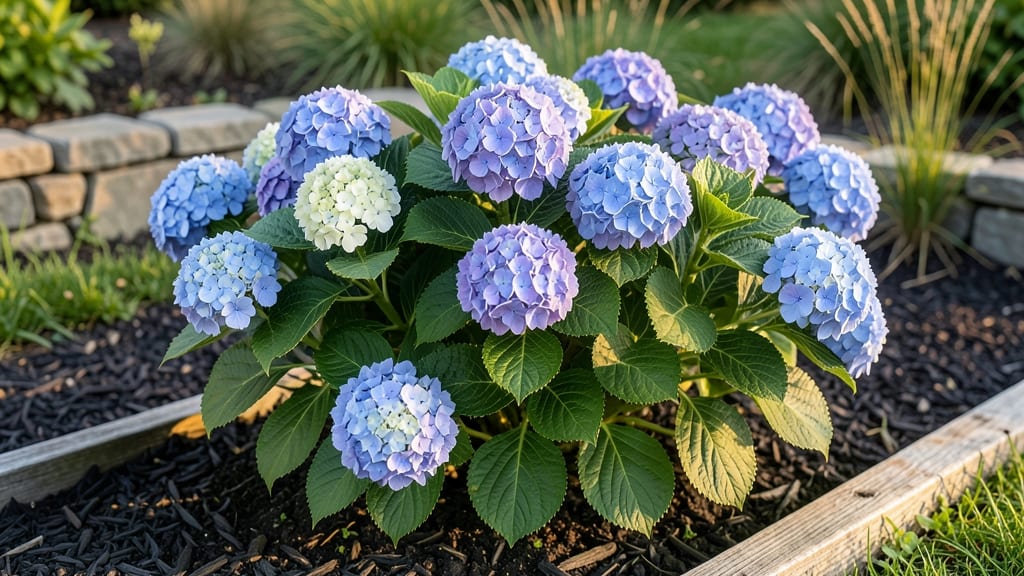
Mastering your hydrangea blooming period transforms your garden into a jewel-toned dream—but timing everything right means blooms arrive when you expect them. 🌸 The key to pole-trained abundance starts with knowing your variety: mopheads and bigleaf types bloom on old wood, while panicle and smooth hydrangeas set buds on new growth, shifting their prime show from late spring to summer.
Climate plays a starring role here. In Zones 5-7, most hydrangeas bloom by mid-June, but late frosts can delay things by weeks. Pruning at the wrong time—like cutting back old wood bloomers in fall—will leave you staring at bare stems in spring.
The fix? Learn your variety’s habits and prune right after flowering for next year’s best display.
With the right care, you’ll see football-sized blooms lasting from June through September, even in small spaces. The secret? Consistent watering (they hate drought), balanced fertilizer (too much nitrogen = fewer flowers), and protecting them from late-season heat that can scorch buds before they open.
Regional tweaks matter too: Southern gardeners might see blooms stretch into October, while cooler northern zones could enjoy them until first frost. If your hydrangeas skip blooming, check your pruning timing or soil pH—acid-loving plants need 5.2-5.5 pH for their best color and flower production.
📚 In This Guide
- What you need
- Instructions
- Tips and common mistakes
- Wrapping up and next steps
What you need
- ● Hydrangea plants: Choose compact varieties like Hydrangea macrophylla 'Endless Summer' or 'Limelight' (1-3 plants per garden bed, depending on size).
- ● Pole system: Bamboo stakes (3-5 ft tall, ½-inch diameter) – 2-3 per plant.
- ● Soft plant ties (fabric or Velcro straps) – 6-10 per plant.
- ○ Optional: Trellis or wire mesh (for vertical gardens, 4x4 ft grid).
- ● Potting mix: Well-draining, acidic soil (pH 5.2-6.0) – 2-3 bags (50 lbs each) for in-ground or 1 large container (15+ gallons) for potted plants.
- ● Fertilizer: Balanced granular (10-10-10) – 1 lb per 100 sq ft.
- ● Acid-loving plant food (e.g., Miracle-Gro Azalea/Camellia) – 1 bottle.
- ● Mulch: Pine bark or shredded leaves – 2-3 inches to retain moisture.
- ● Pruning tools: Bypass pruners (for clean cuts).
- ● Hand saw (for thicker stems).
- ● Garden gloves (to protect hands from thorns and soil).
- ● Watering can or hose with nozzle (for gentle hydration).
- ● pH test kit (to monitor soil acidity).
- ● Sunlight access: Partial shade (4-6 hours of morning sun) for most varieties.
- ● Water source: Consistent moisture (hydrangeas hate drought!).
- ● Slow-release fertilizer spikes (for containers).
- ● Epsom salt (1 tbsp per gallon of water) – boosts blue blooms.
- ● Blue food coloring (for fun pink-to-blue experiments!).
- ● Decorative stakes or paint (to personalize your pole system).
How to maximize hydrangea blooms on pole-trained plants
Pole training transforms hydrangeas into vertical showstoppers—here’s how to coax the most dramatic blooms from your compact garden space.
🌱 Step 1: Prune for Flowering Type and Seasonal Timing
Hydrangeas bloom on either old wood (last season’s growth) or new wood (current season’s stems), and timing matters. For mophead or lacecap varieties, prune immediately after flowering in late summer—never in fall or winter. Cut back 1/3 of the oldest stems to encourage fresh growth while preserving next year’s blooms.
If you’re training on a pole, select the 3-4 strongest stems and tie them to the support early in the season. This prevents overcrowding and directs energy upward. I always use soft plant ties—nylon strips that won’t cut into the bark as the stems thicken.
☀️ Step 2: Position for Sunlight and Soil Moisture
Hydrangeas need partial shade—morning sun and afternoon shade—to prevent leaf scorch while maintaining vibrant blooms. A pole-trained plant in full sun will produce fewer, smaller flowers. Watch for yellowing leaves or drooping blooms—signs of heat stress or inconsistent watering.
Keep the root zone consistently moist but never soggy. Pole-trained plants have limited root spread, so I water deeply 2-3 times weekly during dry spells, aiming for 1-2 inches of water per week. Mulch with 2-3 inches of organic mulch (like shredded bark) to retain moisture and regulate soil temperature.
💧 Step 3: Feed for Color and Bloom Volume
For blue blooms, amend the soil with aluminum sulfate (follow package rates) in early spring. For pink blooms, avoid aluminum and use a balanced 10-10-10 fertilizer instead. I apply fertilizer twice yearly: once in early spring (when new growth appears) and again after the first flush of blooms in mid-summer.
Pole-trained hydrangeas need extra nutrients to support their vertical growth. Mix a slow-release granular fertilizer into the top 2 inches of soil at the base of the pole. Avoid high-nitrogen fertilizers—they promote leafy growth at the expense of flowers.
✂️ Step 4: Train and Support for Vertical Growth
Use a 5-6 foot tall bamboo or metal pole inserted 6 inches into the soil near the plant’s center. Tie the main stems to the pole with soft ties, spacing them 12-18 inches apart vertically. This creates a natural tiered effect and prevents stems from flopping under the weight of blooms.
As the plant grows, adjust ties every 4-6 weeks to avoid girdling the stems. Prune side shoots that form below the first 18 inches to encourage upward growth. The goal is a single, dramatic vertical display—think of it as a living sculpture.
🌿 Step 5: Deadhead and Maintain Through the Season
After blooms fade, cut spent flower heads back to the nearest set of leaves (never the stem’s base). This redirects energy to next year’s blooms. For pole-trained plants, I also remove any weak or crossing stems to maintain airflow and reduce disease risk.
Watch for aphids or powdery mildew—common issues with dense foliage. Spray with neem oil at the first sign of pests or treat mildew with a baking soda solution (1 tbsp baking soda + 1 quart water + a drop of dish soap). Preventative care keeps your vertical hydrangea looking pristine.
Tips & tricks for pole-trained hydrangea abundance
Transforming hydrangeas into vertical masterpieces takes more than just a pole—these insider tricks ensure your blooms stay lush and dramatic all season long.
Pruning Precision: When you're pruning in late summer (Step 1), focus on cutting back only the oldest stems—never more than one-third of the plant. I learned this the hard way after over-pruning and nearly losing my hydrangea's next season's blooms. Look for stems that are thicker and have fewer leaves; these are the ones that need thinning. For pole-trained plants, always save the 3-4 strongest stems to create that stunning vertical display.
Sunlight Strategy: The morning sun and afternoon shade rule (Step 2) is non-negotiable for vibrant blooms. I recommend positioning your pole-trained hydrangea near a north-facing wall or under a deciduous tree that provides natural shade during peak afternoon heat. If you notice yellowing leaves or drooping blooms, it's a clear sign your plant is getting too much direct sun—move it or add shade cloth immediately. The goal is that perfect balance where leaves stay green but blooms remain vibrant.
Fertilizer Timing: Those twice-yearly feedings (Step 3) are crucial, but the timing matters just as much as the product. When you apply fertilizer in early spring, wait until you see new growth appearing—this ensures the plant is ready to use the nutrients. For the mid-summer feeding, time it after the first flush of blooms has faded; this gives the plant energy to produce a second, often even more spectacular, round of flowers. I always mix the slow-release granules into the top 2 inches of soil at the base of the pole to prevent nutrient runoff.
Pole Training Pro Tips: When you're spacing those 12-18 inch intervals between ties (Step 4), think of it as creating tiers for your floral display. The first tier should be at about 12 inches from the ground, with each subsequent tier spaced 18 inches apart. This creates that dramatic, cascading effect. And here's a secret: I always use a small piece of foam between the tie and the stem. It prevents the nylon strips from cutting into the bark as the plant grows thicker over time.
Pro Tips for Hydrangea Blooming Period
- Transforming hydrangeas into vertical masterpieces takes more than just a pole—these insider tricks ensure your blooms stay lush and dramatic all season long.
- Pruning Precision: When you're pruning in late summer (Step 1), focus on cutting back only the oldest stems—never more than one-third of the plant.
- Sunlight Strategy: The morning sun and afternoon shade rule (Step 2) is non-negotiable for vibrant blooms.
Frequently asked questions
Got questions about timing, care, or troubleshooting your hydrangea’s blooms? Here are some of the most common queries—and answers—to keep your garden thriving!
When do hydrangeas typically bloom, and how long does it last?
Most hydrangeas bloom in late spring to summer, with varieties like Bigleaf (H. macrophylla) lasting 6–8 weeks. Panicle (H. paniculata) hydrangeas often rebloom in fall, extending their show to 3–4 months. Check your specific type—some, like Oakleaf, bloom earlier (spring) or later (fall).
Why isn’t my hydrangea blooming this year?
No flowers? Prune at the wrong time (e.g., cutting back old wood varieties like H. macrophylla in spring)? Or nutrient issues? Hydrangeas need balanced fertilizer (high phosphorus for blooms) and consistent moisture. Deadhead spent blooms in late summer to encourage reblooming in some varieties.
Can I make hydrangeas bloom earlier or later?
Yes! For earlier blooms, plant spring-blooming varieties (like H. arborescens) or prune in early spring (for rebloomers). To delay blooms, avoid heavy pruning until after flowering. Heat waves can stress plants—mulch well and water deeply to protect buds.
What’s the best way to extend hydrangea blooms?
Reblooming varieties (like Endless Summer) thrive with regular deadheading and fertilizing every 6–8 weeks. Mulch retains moisture, and partial shade prevents bud drop in hot climates. Cut back spent stems in late summer to trigger new growth—but never prune after Labor Day in cold zones!
Are there hydrangeas that bloom all summer long?
Not quite, but reblooming hydrangeas (e.g., H. macrophylla ‘Nikko Blue’ or H. paniculata ‘Limelight’) produce two flushes of blooms: spring and late summer/fall. For year-round interest, pair them with Oakleaf hydrangeas (fall foliage) or Smooth hydrangeas (white winter stems).
| Quick Fixes for Sparse Blooms |
|---|
| Feed in early spring with 10-10-10 fertilizer. |
| Water deeply 1–2x/week (drought stress = fewer buds). |
| Prune correctly: Cut back old wood types after blooming; rebloomers get a light trim in spring. |
Wrapping up and next steps
Understanding your hydrangea’s blooming period is the first step to unlocking a garden bursting with color—even in tight spaces! 🌸 With the right care, pruning, and pole training, you can maximize those stunning blooms year after year.
Now that you’re armed with tips on timing, soil, and support, take action: grab those shears, stake your plants, and watch your compact garden transform into a lush, floral masterpiece.
Pro tip: Keep a blooming journal to track your hydrangea’s progress—it’s the secret to fine-tuning your garden’s magic! ✨