
Aphids
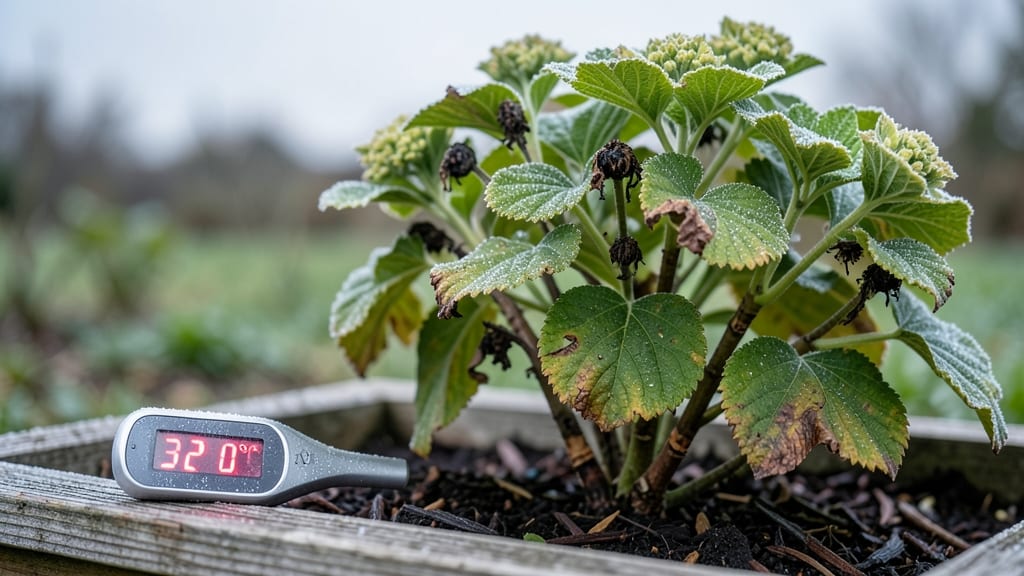
Your frost-damaged hydrangeas aren’t dead—they’re just waiting for the right wake-up call. 🌿 After my first late-spring freeze left my bushes looking like overcooked pasta, I discovered the three-step recovery trick that brought them back to life.
The key? Knowing exactly what’s damaged (leaves? stems? buds?) and how to prune without sacrificing next year’s blooms.
Start by assessing the damage in late winter/early spring before new growth begins—snap off dead stems at the base, but leave any green buds or stems with brown centers (they’re still alive).
Mulch heavily around the base to insulate roots, and water deeply if the ground is dry. This isn’t just guesswork; it’s based on how hydrangeas store energy in their roots and stems.
By mid-May, you’ll see fresh green shoots pushing through, and with proper care, your bushes will produce just as many blooms as undamaged plants. The secret? Pruning at the right time (after the last frost) and avoiding over-trimming—hydrangeas bloom on old wood, so every cut matters.
For next year, protect your investment with frost cloths or a simple DIY cover (old blankets work). Timing is everything: remove covers by late morning to avoid overheating, and never let them touch the foliage. Your hydrangeas will thank you with lush, vibrant blooms by summer.
Cold Weather’s Hidden Attack
Frost can turn your vibrant hydrangeas into sad, browned skeletons overnight—but why does this happen? The damage stems from a mix of cellular freezing, water stress, and physiological shock. Understanding these mechanisms helps you protect your plants before winter strikes again.
When temperatures drop below 32°F (0°C), water inside hydrangea cells begins to freeze. Unlike humans, plants lack antifreeze proteins, so ice crystals form inside their cells. These sharp crystals rupture cell membranes, disrupting their structure and killing the tissue.
In hydrangeas, this often starts in the flower buds and young stems, which are more vulnerable than mature wood.
Key trigger: Rapid temperature drops (especially below 28°F (-2°C)) force water to expand as it freezes, physically tearing cells apart. Later, we’ll cover how to assess the damage—but prevention starts with knowing your plant’s hardiness zone.
Frost doesn’t just freeze water—it displaces it. When soil freezes, ice lenses form beneath the root zone, pushing roots upward and severing fine feeder roots. Hydrangeas, which rely on a dense network of shallow roots for hydration, suffer water uptake failure.
Even if the above-ground plant survives, the roots can’t deliver moisture to revive wilted blooms.
Why it’s worse for hydrangeas:
- Moisture-loving species (like Hydrangea macrophylla) are prone to frost heaving in heavy clay or poorly drained soil.
- Late-season frosts (after buds swell in spring) cause bud blast, where flowers form but freeze before opening.
Pro tip: 🌡️ Mulch with 4–6 inches of straw or wood chips to insulate roots and prevent soil temperature swings.
Hydrangeas are perennial tricksters. They often break dormancy early when winter warms up—only to get hit by a late frost. This physiological shock occurs when:
- Bud swell begins (cells start dividing, preparing for growth).
- A hard freeze (≤25°F/-4°C) kills emerging tissue.
- The plant can’t recover because new growth is more fragile than dormant buds.
Red flags: Look for blackened, mushy buds or brown streaks on stems—these are signs of frost burn after false spring.
Not all frost damage is equal. Hydrangeas in sheltered microclimates (near walls, under eaves, or in containers) may escape damage while others in open, windy areas suffer. Here’s why:
| Factor | Effect on Hydrangeas |
|---|---|
| 💨 Wind | Increases wind chill, making 30°F feel like 15°F. Leaves and buds dry out faster. |
| ☀️ Sun Exposure | South/west-facing plants absorb heat during the day but radiate it at night, causing rapid temperature drops. |
| 🌊 Urban Heat Islands | Pavement and buildings trap heat, tricking hydrangeas into early growth—then late frosts strike. |
Actionable fix: 🏡 Plant hydrangeas on the north or east side of structures or use burlap windbreaks to reduce exposure.
Reviving Your Hydrangeas After Frost
Frost can leave your hydrangeas looking like they’ve thrown in the towel—but don’t give up yet! With the right care, you can coax them back to life and even prevent future damage. Below, we’ll break down cause-specific fixes and prevention tips to help your hydrangeas bounce back stronger than ever.
If your hydrangea’s leaves turned brown or crispy but the stems are still firm, the plant is likely just shocked—not dead.
🔥 Step 1: Prune the Damaged Foliage
- 🔪 Snip off any blackened, brittle leaves with clean pruners.
- ✂️ Cut back to healthy green tissue—this prevents disease and helps the plant focus energy on recovery.
💧 Step 2: Hydrate Deeply
- 🌊 Water thoroughly at the base (not overhead) to revive roots.
- 🌡️ Mulch with 2–3 inches of shredded bark or straw to insulate roots and retain moisture.
🌿 Step 3: Fertilize Gently
- 💡 Use a balanced, slow-release fertilizer (10-10-10) to support regrowth.
- ⏰ Wait until new growth appears before fertilizing—overdoing it now can stress the plant further.
If stems are mushy or oozing, the plant may still recover if the roots are intact.
🍳 Step 1: Check Root Health
- 👨🍳 Gently dig around the base—healthy roots should be white or light tan.
- 💀 If roots are black/mushy, the plant is likely beyond saving. If they’re firm, proceed.
🌱 Step 2: Prune Back Aggressively
- ✂️ Cut all damaged stems down to 1–2 inches above the ground.
- 🌿 This may look drastic, but hydrangeas are resilient and will sprout new growth from the base.
🌡️ Step 3: Protect & Nurture
- 🛡️ Cover with frost cloth on chilly nights (even in spring) until new shoots emerge.
- 💧 Keep soil consistently moist—drought stress weakens recovery.
If the entire plant is mushy or the roots are rotted, it’s time to replant.
🌱 Step 1: Remove the Old Plant
- 🔪 Dig up the dead hydrangea and compost it (if no disease is present).
- 🚫 Avoid leaving dead stems—they attract pests and fungus.
🌿 Step 2: Plant a New One (With a Twist!)
- 💡 Choose a cold-hardy variety like ‘Annabelle’ or ‘Endless Summer’—they tolerate frost better.
- 🌡️ Plant in a sheltered spot (near a south-facing wall or under trees for windbreak).
🌱 Step 3: Give It a Head Start
- 💧 Water deeply after planting and mulch heavily.
- 🌿 Wait until spring to fertilize—new plants need time to establish roots.
Don’t let frost catch you off guard again! Here’s how to future-proof your hydrangeas:
| Risk | Fix |
|---|---|
| Late spring frosts | 🌡️ Plant in a microclimate (e.g., near a brick wall that absorbs heat). |
| Early fall frosts | 🍂 Mulch deeply (4–6 inches) before winter to insulate roots. |
| Windburn | 🌳 Plant near a windbreak (fence, hedge, or building). |
| Poor drainage | 💧 Amend soil with compost to improve water retention. |
💡 Pro Tip:
- 📅 Monitor weather forecasts and cover plants when frost is predicted (even in spring!).
- ✨ Use row covers or bubble wrap around stems for extra protection.
Frost damage doesn’t mean your hydrangeas are doomed—it’s just a setback. With pruning, hydration, and a little patience, they’ll bounce back bigger and better. And with these prevention tricks, you’ll keep them thriving year after year! 🌸❄️
Frequently asked questions
How can I tell if my hydrangea is dead or just dormant after frost?
Check for green buds or firm stems—if you see any, the plant is alive! Snap a stem: if it's bendy, it's still good; if it's brittle and snaps dry, it's dead. Even if most stems look dead, roots may still be viable—wait until spring to prune.
When is the best time to prune frost-damaged hydrangeas?
Wait until late winter/early spring (after the last frost) when new growth appears. Prune dead stems at the base, but leave green buds or stems with brown centers—they'll sprout new shoots. Never prune in fall, as this encourages tender growth that freezes.
Will my hydrangea bloom this year if frost damaged the buds?
It depends! If only outer leaves are damaged, buds may still open. But if flower buds turned black/mushy, they're gone. Some varieties (like 'Endless Summer') bloom on both old and new wood, so they may still produce flowers from fresh growth.
Can I save a hydrangea with mushy stems after frost?
Only if the roots are healthy (white/tan when checked). Cut all damaged stems to 1-2 inches above ground, then mulch heavily and water deeply. If roots are black/mushy, the plant is likely beyond saving—dig it up and compost it.
How do I protect hydrangeas from future frost damage?
Use frost cloth or bubble wrap on stems for light freezes, or build a DIY frame cover for hard freezes. Plant in sheltered spots (north side of structures) and mulch with 4-6 inches of straw before winter. Monitor spring forecasts and cover plants if frost is predicted!