
Plants
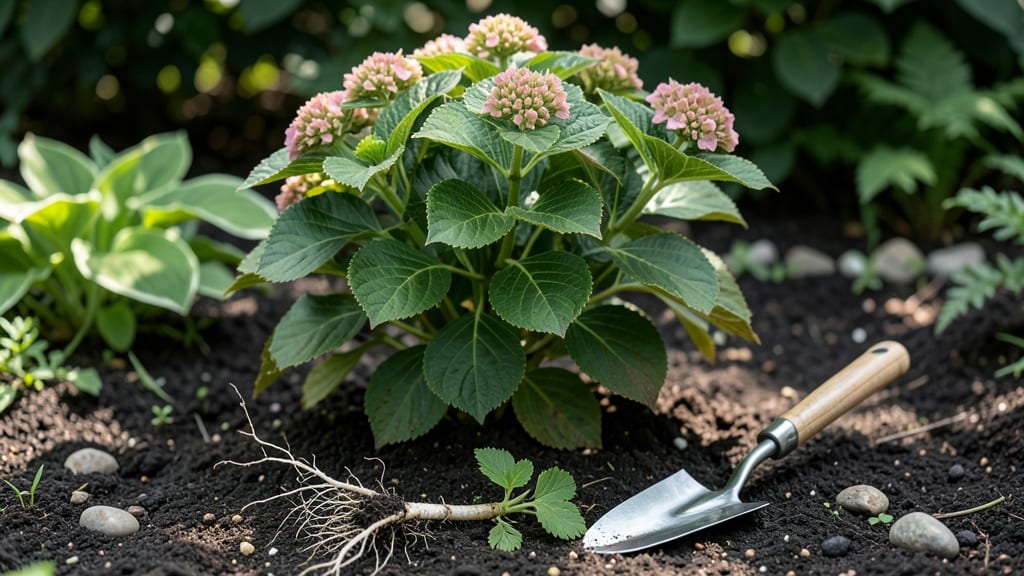
Planting hydrangeas in Kansas at the right time means thriving blooms 🌸—spring or fall, but never when the ground is frozen or baking hot.
Kansas gardeners know timing is everything—plant hydrangeas too early, and frost will kill them; too late, and they’ll struggle to establish roots before winter. But with Kansas’ diverse USDA zones (5b to 7a), the perfect planting window varies dramatically.
In northern Kansas (Zone 5b), aim for early May after the last frost, while southern regions (Zone 7a) can start as early as mid-April. Fall planting is also an option, but only if you get them in the ground by late September.
Below, I break down the exact months for your zone, soil prep tips to avoid common mistakes, and how to tell if you’ve planted at the wrong time—so your hydrangeas grow strong and bloom big.
Kansas hydrangea planting calendar: exact months by USDA Zone (5b-7a)
Kansas’ USDA zones 5b-7a create a 2-3 week difference in ideal planting times for hydrangeas. In northern Kansas (5b-6a), late frosts can linger until mid-April, while southern regions (7a) often see frost-free soil by early April.
According to Kansas State University, soil temperatures must reach at least 60°F for successful root establishment.
Spring planting offers a longer growing season for hydrangeas, but fall planting (September-October) gives roots time to establish before winter. The key is avoiding extreme heat or frost—both can stunt growth or kill young plants.
For container-grown hydrangeas, you can plant 2-3 weeks earlier since roots adapt faster.
Here’s your zone-specific planting calendar with frost risk analysis and ideal soil temperatures:
For northern Kansas gardeners (Zone 5b), aim to plant after April 15 to avoid frost damage. Use row covers if planting earlier. In Zone 7a, you can start as early as late March, but monitor soil moisture—Kansas’ spring droughts can dry out young roots quickly.
Hydrangeas thrive when planted in well-draining, slightly acidic soil (pH 5.5-6.2). Before planting, amend your soil with compost or peat moss to improve drainage. In clay-heavy Kansas soils, mix in sand or perlite to prevent root rot.
Test your soil’s pH using a home testing kit or send a sample to Kansas State University Soil Lab for precise results.
After planting, mulch around the base with 2-3 inches of organic mulch (like shredded bark) to retain moisture and regulate soil temperature. Water deeply immediately after planting and keep the soil consistently moist for the first 6-8 weeks.
In hot Kansas summers, hydrangeas need 1-2 gallons of water per week, applied at the base of the plant to avoid wetting foliage.
If you’re unsure about your last frost date, check the Kansas State University Extension’s frost calendar or use the National Oceanic and Atmospheric Administration (NOAA) frost maps.
For container planting, hydrangeas can tolerate slightly later planting (up to June 1 in cooler zones), but expect smaller blooms the first year as roots establish.
Remember: Fall planting is ideal for northern Kansas because it gives roots time to establish before winter. In southern Kansas (Zone 7a), fall planting can be risky due to early freezes, so spring planting is often safer.
Always plant hydrangeas in partial shade—Kansas’ intense summer sun can scorch leaves and reduce blooms.
🌸
5 Signs you’re planting hydrangeas at the wrong time in Kansas (and how to fix it)
Kansas’ spring weather can be a rollercoaster—one day it’s 70°F, the next, frost sneaks back in. If you’ve planted hydrangeas and they’re struggling, timing might be the culprit. Hydrangeas planted too early risk frost damage, while those planted too late may not establish roots before winter.
Even experienced gardeners in USDA zones 5b-7a sometimes misjudge the window.
Don’t worry—these 5 common mistakes and their fixes will help you adjust for Kansas’ unpredictable climate. The key is understanding soil temperature, frost risk, and root establishment timing. Let’s break it down so your hydrangeas thrive, not just survive.
- 1. Planting in heatwaves (soil temps >75°F) → Roots dry out. Fix: Wait until soil cools to 60-65°F (use a soil thermometer).
- 2. Ignoring late frosts (after April 15) → Young shoots die. Fix: Plant after last frost date (check Kansas State University’s frost maps).
- 3. Skipping root zone prep → Poor drainage = rot. Fix: Amend soil with compost + perlite to improve aeration before planting.
- 4. Planting too deep → Stems suffocate. Fix: Dig hole twice as wide as root ball but no deeper than top of roots.
- 5. Overwatering right after planting → Drowns roots. Fix: Water lightly for 10 days, then deep-soak weekly.
If you’ve already planted and notice yellowing leaves or stunted growth, it’s not too late to adjust. Start by testing soil moisture—stick your finger 2 inches deep.
If dry, water deeply; if soggy, amend soil with organic matter to improve drainage. Kansas’ clay-heavy soils often need this extra step to prevent root rot.
For northern Kansas (Zone 5b), aim for late April to early May planting—this gives roots time to establish before winter. In southern Kansas (Zone 7a), you can plant as late as mid-October, but avoid fall planting if temps drop below 50°F at night.
Use mulch (3-4 inches) to insulate roots in both cases.
Pro tip: Container-grown hydrangeas can handle a slightly later planting window than bare-root varieties. If you’re buying potted plants, check the root ball—if it’s tightly bound, gently loosen roots before transplanting to encourage faster establishment.
This small step can mean the difference between a flourishing shrub and a struggling one.
Remember, hydrangeas are perennials, so getting the timing right now pays off for years. If your current plants are struggling, don’t give up—adjust your approach, and next year’s blooms will thank you. Happy planting! 🌸