
Trees
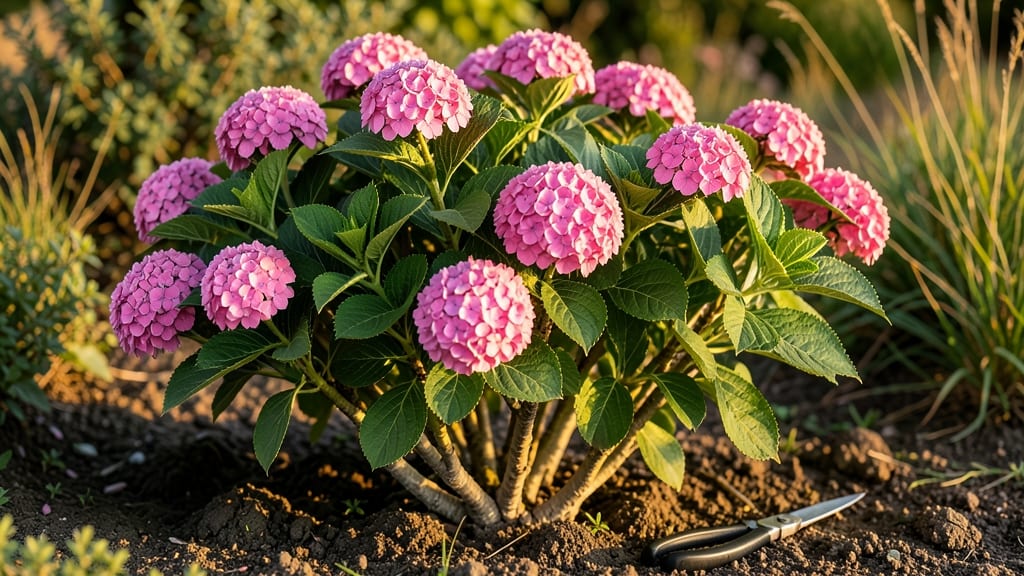
A full-grown hydrangea tree 🌸 can reach 15 feet tall and transform your garden into a lush, floral masterpiece—but only if you care for it right.
Your hydrangea tree could be blooming more beautifully year-round—but only if you prune it correctly. A full-grown hydrangea tree needs strategic pruning to maintain health, shape, and vibrant flowers, yet many gardeners make costly mistakes that stunt growth or reduce blooms.
From knowing when to prune (spring vs. fall) to understanding which branches to trim for maximum blooms, this guide covers everything you need to keep your hydrangea thriving.
Discover how to avoid over-pruning, revive an overgrown tree, and troubleshoot common issues so your hydrangea stays lush and full of color for years to come.
When and how to prune a full-grown hydrangea tree for maximum blooms
A full-grown hydrangea tree can reach 10-15 feet tall and produce stunning blooms—but only if pruned correctly. The key is understanding when to prune based on your hydrangea type and how to cut without removing next year's flowers.
Unlike shrubs, hydrangea trees have old wood and new wood that bloom at different times, making timing critical.
For example, mophead and oakleaf hydrangeas bloom on old wood, while panicle and smooth hydrangeas bloom on new wood. Pruning at the wrong time can mean no blooms the following season. Let’s break down the seasonal pruning schedule and techniques to maximize those show-stopping flowers.
Step-by-Step Pruning Guide for Full-Grown Hydrangea Trees
-
Step 1: Identify Your Hydrangea Type
- Old Wood Bloomers: Mophead (H. macrophylla), Oakleaf (H. quercifolia)
- New Wood Bloomers: Panicle (H. paniculata), Smooth (H. arborescens)
-
Step 2: Prune Old Wood Bloomers in Late Winter/Early Spring
- Wait until after flowering (late March to early April in USDA Zone 6a)
- Remove dead or crossing branches first
- Cut back 1/3 of the oldest stems to encourage new growth
-
Step 3: Prune New Wood Bloomers in Late Winter
- Prune before buds swell (February to early March)
- Cut back last year’s blooms to the first set of healthy leaves
- Shape the tree by thinning out crowded branches (never cut more than 1/3)
-
Step 4: Deadhead Spent Blooms (All Types)
- For old wood bloomers, never deadhead—wait for natural drop
- For new wood bloomers, cut spent blooms to first leaf pair in fall
-
Step 5: Light Fall Pruning (Optional)
- Remove diseased or damaged branches anytime
- Avoid heavy pruning—never cut more than 10% of the tree
-
Step 6: Clean and Sterilize Tools
- Use sharp, clean pruners to avoid tearing bark
- Wipe blades with rubbing alcohol between cuts to prevent bacterial spread
Pro Tip: Look for bud scars near branch bases—these indicate old wood (blooms early) vs. new wood (blooms late).
Timing is everything when pruning hydrangea trees. For mophead and oakleaf varieties, wait until after flowering in late spring to avoid removing next year’s buds. These types rely on last year’s wood for blooms, so prune only dead or weak branches in early spring if needed.
On the other hand, panicle and smooth hydrangeas bloom on new growth, so you can prune them in late winter (February-March) without fear. This gives them plenty of time to develop fresh stems for summer blooms. Always cut just above a leaf node or bud to encourage healthy regrowth.
One common mistake is over-pruning, which can leave your hydrangea tree looking bare and struggling to recover. Limit yourself to no more than 1/3 of the tree’s branches in any single season. If your tree is overgrown, spread pruning over 2-3 years to avoid shock.
Use bypass pruners for smaller branches and a pruning saw for thicker stems. Make cuts at a 45-degree angle about 1/4 inch above a bud to encourage outward growth. Avoid topping (cutting the top flat), as this can lead to weak, leggy growth and fewer blooms.
After pruning, apply a layer of mulch around the base to retain moisture and protect roots. Water deeply to help the tree recover, especially if you’ve removed a significant number of branches. Monitor for new growth in spring—a sign your pruning was successful!
For large hydrangea trees, consider using a pole pruner to reach high branches safely. Always wear gloves and eye protection when working with sharp tools. If your tree is too tall to manage alone, hire a professional arborist to avoid damaging the structure.
Remember, patience is key. Hydrangeas respond well to gradual pruning over time. With the right techniques, your full-grown hydrangea tree will reward you with lush foliage and abundant blooms year after year. 🌸
Common pruning mistakes that kill hydrangea blooms (and how to fix them)
Even well-intentioned gardeners can accidentally sabotage their hydrangea tree's blooms with pruning mistakes. The most common errors include cutting at the wrong time, removing too much growth, or using improper techniques. These mistakes often lead to fewer flowers or even no blooms at all during the next season.
Hydrangeas bloom on old wood (last year's growth) or new wood (current year's growth), depending on the variety. Misidentifying these growth types is a frequent mistake that can drastically reduce your full-grown hydrangea tree's flowering potential. Let's explore the most damaging errors and how to correct them.
⚠️ PROS-CONS BOX: PRUNING MISTAKES VS. BEST PRACTICES
Mistake
Cutting back in late summer or fall
Over-pruning more than 1/3 of growth
Leaving stubs or cutting too close to trunk
Best Practice
Before buds swell (Feb-Mar)
Never cut more than 1/3 of plant
1/4" above outward-facing bud
Cutting after flowers fade
Let seed heads remain for winter interest
For mophead hydrangeas (like 'Endless Summer'), the biggest mistake is pruning after July 1st. These varieties bloom on old wood, so any cuts made after this date will remove next year's flower buds.
Instead, focus on removing dead or crossing branches in late winter when the plant is dormant.
With panicle hydrangeas (like 'Limelight'), many gardeners make the error of waiting too long to prune. These varieties bloom on new wood, so you can prune more aggressively in late winter or early spring.
The key is to cut back 1/3 of the oldest stems to encourage fresh growth and abundant blooms.
One often-overlooked mistake is not sterilizing pruning tools between cuts. Using the same shears on multiple branches spreads diseases like powdery mildew or bacterial leaf spot. Always wipe blades with rubbing alcohol or a 10% bleach solution between cuts to protect your full-grown hydrangea tree.
If you've already made pruning mistakes, don't panic. Most hydrangeas are resilient. For over-pruned plants, focus on watering deeply and applying a balanced fertilizer (10-10-10) in early spring. This helps stimulate new growth and compensates for lost foliage. In just 1-2 seasons, your hydrangea should recover its full vigor.