
Light Requirements
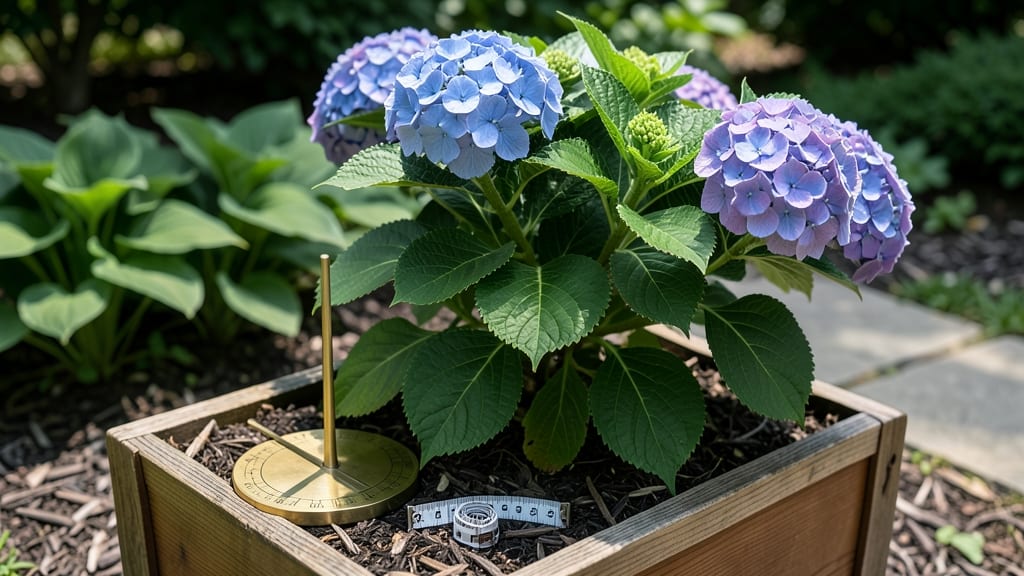
Hydrangeas need between 4 and 6 hours of sunlight daily to thrive, though some varieties handle less—and too much sun can scorch their delicate leaves.
Wondering why your 🌸 hydrangeas bloom weakly or struggle to thrive? Sunlight exposure is the secret weapon—get it wrong, and you’ll miss out on vibrant blooms year after year.
Most hydrangeas prefer morning sun and afternoon shade, especially in hotter climates like USDA Zone 6a. Too little light means sparse flowers, while too much can bleach petals or crisp edges.
Below, I’ll break down the exact light needs for bigleaf, panicle, and oakleaf types, plus how to adjust care based on your garden’s sun patterns for lush, long-lasting blooms.


Ideal sunlight hours for hydrangeas by variety: a light exposure guide
Hydrangeas are one of the most popular shrubs for their stunning blooms, but their sunlight needs vary dramatically by variety. Too much sun can scorch leaves, while too little light leads to sparse flowers.
Understanding your hydrangea's specific requirements is key to achieving those vibrant, abundant blooms you dream of. Let’s break down the ideal sunlight hours for each type so you can adjust your garden accordingly.
Most gardeners assume all hydrangeas thrive in partial shade, but that’s not always true. Panicle hydrangeas, for example, can handle full sun, while bigleaf varieties often struggle without afternoon shade.
Even within a single variety, young plants and mature shrubs have different needs. Knowing these nuances helps you position your hydrangeas perfectly for success.
Here’s the critical comparison you need to know before planting or relocating your hydrangeas. This table breaks down the sunlight tolerance, ideal exposure, and care adjustments for each variety, so you can tailor your approach for the best results.
| Variety | Sunlight Tolerance | Ideal Daily Exposure | Care Adjustments | Signs of Stress |
|---|---|---|---|---|
| Bigleaf Hydrangea (H. macrophylla) | Shade-tolerant, but needs protection | 3-4 hours of morning sun, afternoon shade | Use light-colored mulch to reflect heat; water deeply in summer | Brown leaf edges (sunburn), sparse blooms (too much sun) |
| Panicle Hydrangea (H. paniculata) | Full sun to partial shade | 6-8 hours of sun (more = bigger blooms) | Prune in late winter for next year’s flowers; fertilize in spring | Yellowing leaves (overwatering), weak stems (too much shade) |
| Oakleaf Hydrangea (H. quercifolia) | Partial shade to full shade | 4-6 hours of dappled sunlight | Plant near decorative trees for natural shade; water at soil level | Leaf scorch (direct afternoon sun), slow growth (insufficient light) |
| Smooth Hydrangea (H. arborescens) | Partial sun to full sun | 4-6 hours (more sun = larger flowers) | Stake young plants in windy locations; mulch to retain moisture | Floppy stems (too much shade), faded blooms (excessive heat) |
If you’re growing bigleaf hydrangeas, focus on morning sun and afternoon shade to prevent leaf scorch. These varieties are famous for their color-changing blooms, but they need consistent moisture and protection from harsh afternoon rays.
I’ve seen many gardeners struggle with brown leaf edges because they planted them in full sun—don’t make that mistake!
For panicle hydrangeas, the rule is simple: more sun equals bigger blooms. Varieties like ‘Limelight’ and ‘Little Lime’ thrive in full sun and reward you with dramatic, cone-shaped flowers.
If your panicle hydrangea’s blooms are small, it’s likely not getting enough light. Try moving it to a sunnier spot or prune nearby trees to increase exposure.
Oakleaf hydrangeas are the shade-loving superstars of the group. Their exfoliating bark and vibrant fall foliage make them a year-round star, but they need protection from intense midday sun. Plant them under large trees or on the north side of your home for the best results.
I’ve had great success growing them near my Japanese maple, where they get filtered light all day.
Don’t overlook smooth hydrangeas, either. These are the workhorses of hydrangea care—they’re drought-tolerant and handle a wider range of light conditions. However, if you want those showstopping, lacy blooms, give them at least 4 hours of sun daily.
I’ve noticed that smooth hydrangeas in full sun produce flowers twice as large as those in shade.
Pro tip: Use a light meter app to track sunlight hours in your garden. Place your phone near the planting spot for a week to see how many hours of direct sun the area receives. This simple step can save you from trial and error—and a lot of frustrated hydrangeas!
Adjusting your hydrangea’s care based on light exposure is easier than you think. For sun-loving varieties, focus on deep watering and mulching to keep roots cool. For shade-tolerant types, prioritize well-draining soil and regular feeding to encourage blooms.
With the right light, your hydrangeas will reward you with season-long color and lush foliage.
Remember, hydrangeas are flexible plants, but they do have limits. If you’re unsure about your garden’s sunlight conditions, start with partial shade and observe how your hydrangeas respond.
Over time, you’ll learn the perfect balance for your specific variety—and your garden will thank you with stunning, healthy blooms year after year.
Signs your hydrangeas aren’t getting the right sunlight (and how to fix it)
Your hydrangeas might be sending you SOS signals if their sunlight exposure is off. Too much direct sun can scorch leaves, while too little leads to sparse blooms. I’ve seen both scenarios in my garden, and the fixes are simpler than you think!
Start by checking the color and size of blooms. Weak sunlight often results in small, pale flowers, while over-exposure causes brown, crispy edges on leaves. These visual clues are your first warning signs that adjustments are needed.
If your leaves are yellowing, it could signal underwatering or poor drainage—but also check the light. Hydrangeas in full shade struggle to photosynthesize efficiently, leading to weak stems and fewer blooms. Move them to a spot with dappled sunlight for better results.
For panicle hydrangeas, slightly more sun (6-8 hours) is okay, but bigleaf varieties prefer partial shade. Prune nearby trees or use a lightweight shade cloth (30-50% coverage) to protect delicate foliage during peak afternoon sun.
In containers, hydrangeas need extra attention. Rotate pots every few weeks to ensure even light exposure, and use self-watering containers to prevent stress from inconsistent moisture when adjusting sunlight.
Watch for bud drop in late spring—a classic sign of light stress. If buds form but fall off, your plant may be struggling with temperature fluctuations or intense midday sun. Provide afternoon shade with a sheer curtain or nearby foliage.