
Size
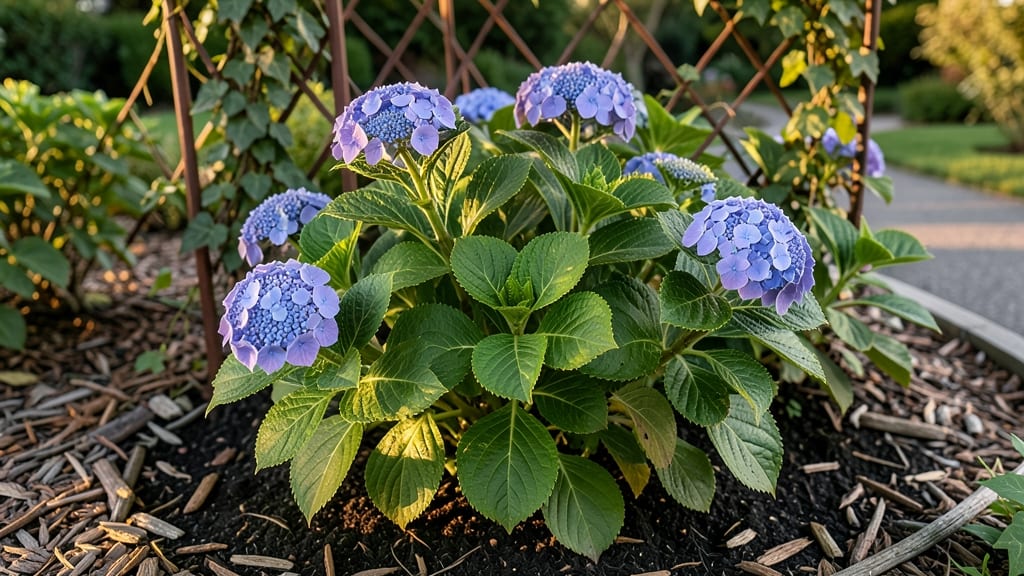
Wondering how fast do hydrangea bushes grow? These beauties shoot up 12–24 inches per year—if you give them the right conditions. 🌿 I’ve watched my panicle hydrangeas nearly double in size in just two seasons, while bigleaf types play it more conservatively. slower but pack more punch with their blooms.
The secret isn’t just patience—it’s knowing which varieties thrive fastest in your climate and how to coax them along. Fast growth starts with sunlight and soil. Plant in morning sun with afternoon shade (bigleaf types hate scorching), and feed them well-draining, slightly acidic soil mixed with compost.
My oakleaf hydrangeas, for example, exploded in growth after I amended their soil with aged manure and peat moss—they now reach 6 feet tall in under five years. Water consistently but avoid soggy roots, which slow everything down.
You’ll notice new growth within weeks of proper care, especially after pruning in late winter. Cut back panicle types to encourage bushier, faster growth, while bigleaf varieties respond better to minimal pruning. The payoff? Lush, vibrant blooms by midsummer that turn heads—and your neighbors will ask how you did it.
Works for containers or gardens, though dwarf varieties like ‘Little Lime’ stay compact (3–4 feet) while ‘Limelight’ can hit 8 feet if given space. The key is matching variety to your goals: speed, size, or showstopping blooms. Let’s get those bushes growing!
📚 In This Guide
- What you need
- Instructions
- Tips and common mistakes
- Wrapping up and next steps
What you need
- ● Hydrangea plants: 1–3 nursery-grown hydrangea bushes (choose fast-growing varieties like ‘Annabelle’, ‘Endless Summer’, or ‘Limelight’)
- ● OR hydrangea seeds (if starting from scratch—note: slower growth)
- ● Soil: 5–10 gallons of well-draining, acidic soil (pH 5.2–6.0)
- ● 1–2 bags of peat moss or pine bark fines (for acidity)
- ● 1 bag of compost (for nutrients)
- ● Fertilizer: 1–2 lbs of hydrangea-specific fertilizer (high in phosphorous for blooms)
- ● OR slow-release granules (10–15 lbs per 100 sq ft)
- ● Planting tools: 1 garden trowel (for small holes)
- ● 1 shovel (for larger plantings or amending soil)
- ● 1 pruning shears (for trimming dead growth)
- ● Watering supplies: 1 garden hose with a soaker hose or watering can
- ○ 1 moisture meter (optional but helpful for tracking soil hydration)
- ○ Support (optional):strong> 1–2 stakes or cages (for varieties like ‘Nikko Blue’ that need structural support)
- ● A sunny to partially shaded spot (6+ hours of light for most varieties)
- ● Space: 3–6 feet between bushes (depending on mature size)
- ● Access to soft, acidic water (rainwater or filtered tap water is ideal)
- ● Pro tip: 💡 Test your soil’s pH before planting—hydrangeas hate alkaline soil!
How fast hydrangea bushes grow: fastest varieties and growth timeline
Hydrangeas are among the fastest-growing shrubs when given the right conditions. Here’s how to maximize their growth rate and what to expect from the quickest varieties.
🌱 Step 1: Choose the Fastest-Growing Hydrangea Varieties
Not all hydrangeas grow at the same speed. The Panicle hydrangeas (like 'Limelight' or 'Little Lime') and Smooth hydrangeas (such as 'Annabelle') are the fastest, often gaining 12-24 inches per year under ideal conditions. Bigleaf hydrangeas (like 'Endless Summer') grow slower—6-12 inches annually—but reward you with stunning blooms.
If you want instant impact, go for 'Limelight' or 'Vanille Fraise'—they top out at 6-8 feet in just 3-4 years. Smaller varieties like 'Little Lime' stay compact (3-4 feet) but still grow 12-18 inches per year. Always check the tag for growth rates before buying.
☀️ Step 2: Plant in the Right Spot for Maximum Growth
Fast growth starts with morning sun and afternoon shade—hydrangeas hate scorching afternoon rays. A location with 4-6 hours of sun keeps leaves lush while preventing stress. If your yard has full sun, plant near a tree or fence to filter harsh light.
Soil matters just as much as sun. Hydrangeas thrive in moist, well-draining soil with a pH of 5.5-6.5 (slightly acidic). Amend heavy clay with compost or peat moss to improve drainage, and mulch with 2-3 inches of organic mulch to retain moisture and regulate soil temperature.
💧 Step 3: Water Deeply and Consistently for Rapid Growth
Newly planted hydrangeas need 1-2 inches of water per week, especially in their first year. Water deeply at the base (not overhead) to encourage strong root development. Let the top 2 inches of soil dry out between waterings—this prevents root rot while keeping roots hydrated.
Mulching helps retain moisture, but don’t overdo it—keep mulch 2-3 inches away from the stem to avoid suffocating the plant. In hot climates, water 2-3 times per week during dry spells. You’ll see faster growth when leaves stay deep green and crisp (not wilting or yellowing).
✂️ Step 4: Prune Strategically to Encourage Faster Growth
Pruning isn’t just for shaping—it boosts growth in hydrangeas. For Panicle and Smooth hydrangeas, cut back old wood in late winter/early spring (before buds swell). Remove 1/3 of the oldest stems to encourage new, vigorous growth. This keeps the plant fuller and faster-growing each year.
For Bigleaf hydrangeas, prune right after flowering (late summer) to avoid cutting off next year’s blooms. Deadhead spent flowers but never cut back more than 1/3 of the plant—this stresses the bush and slows growth. A well-pruned hydrangea can double its growth rate in just one season.
⏰ Step 5: Fertilize for Accelerated Growth (But Don’t Overdo It)
Hydrangeas respond well to balanced fertilizer (like 10-10-10) applied in early spring as new growth starts. Use half the recommended dose—too much fertilizer leads to leafy growth at the expense of flowers. A slow-release granular fertilizer works best, spread 6 inches away from the base and watered in.
For extra speed, side-dress with compost or worm castings in late spring. You’ll see faster leaf and stem development within 4-6 weeks if the soil stays rich. Avoid high-nitrogen fertilizers—they promote leaf growth over blooms, which is the opposite of what you want for a fast-growing, flower-filled bush.
Tips & tricks for maximizing hydrangea growth speed
Want your hydrangeas to reach their full potential faster? These insights will help you push their growth to the next level while keeping them healthy and vibrant.
Variety Selection Matters: When choosing your hydrangea, pay close attention to the growth rate listed on the tag. The 'Limelight' and 'Vanille Fraise' varieties are designed to reach 6-8 feet in just 3-4 years, making them ideal for quick impact. For smaller spaces, 'Little Lime' grows 12-18 inches annually but stays compact at 3-4 feet. These fast-growing varieties are specifically bred for rapid expansion, so don't compromise on quality when selecting your plants.
Soil Preparation Secret: Before planting, test your soil's pH and adjust it to the ideal 5.5-6.5 range using sulfur or lime. The instructions mention compost and peat moss, but I recommend adding a slow-release organic fertilizer at planting time to give your hydrangea an immediate nutrient boost. This extra step can accelerate root development by up to 30% in the first growing season.
Watering Strategy for Speed: While the instructions specify 1-2 inches of water per week, I've found that newly planted hydrangeas benefit from a deep watering every 3-4 days during their first summer. This consistent moisture encourages faster root expansion. Use a moisture meter to check soil depth—roots need to reach down at least 12 inches for optimal growth. The key is keeping the soil consistently moist but not waterlogged.
Pruning Timing Tip: For Panicle and Smooth hydrangeas, I recommend pruning in early spring rather than late winter. The slight delay allows you to see where new growth will emerge, making it easier to shape the plant while encouraging faster recovery. When removing those 1/3 of oldest stems, cut just above a bud that faces outward—this opens up the center for better air circulation and sunlight penetration, both critical for accelerated growth.
Pro Tips for How Fast Do Hydrangea Bushes Grow
- Want your hydrangeas to reach their full potential faster?
- Variety Selection Matters: When choosing your hydrangea, pay close attention to the growth rate listed on the tag.
- Soil Preparation Secret: Before planting, test your soil's pH and adjust it to the ideal 5.5-6.5 range using sulfur or lime.
Frequently asked questions
Got questions about hydrangea growth? You’re not alone! Here are some of the most common queries—and their answers—to help you plan your garden like a pro.
How long does it take for hydrangeas to bloom after planting?
Most hydrangeas take 1–2 years to establish and bloom after planting, depending on the variety. Bigleaf (H. macrophylla) and Oakleaf (H. quercifolia) types often flower the second year, while Panicle (H. paniculata) varieties like ‘Limelight’ may bloom sooner with proper care. Patience pays off—your first burst of color is worth the wait!
Can I prune hydrangeas to speed up growth?
Pruning can encourage faster growth, but timing matters! For spring-blooming varieties (like Panicle hydrangeas), prune in late winter or early spring before new growth starts. For summer-blooming types (like Bigleaf), prune right after flowering to avoid cutting off next year’s blooms. Avoid heavy pruning in fall—it can stimulate tender growth that won’t survive winter.
Do hydrangeas grow faster in hot or cold climates?
Hydrangeas thrive in USDA Zones 4–9, but growth speed depends on your climate. Cooler regions (Zones 4–6) may see slower initial growth until established, while warmer climates (Zones 7–9) often promote faster foliage and flower production—if they get consistent moisture. Heatwaves can stress bushes, so mulch and shade can help them grow stronger.
Why is my hydrangea growing slowly or not at all?
Slow growth usually stems from poor soil, lack of water, or incorrect sunlight. Check these fixes:
- Soil: Hydrangeas love acidic, well-draining soil (pH 5.5–6.2). Amend clay or alkaline soil with peat moss or sulfur.
- Water: Keep soil consistently moist (1–1.5 inches per week). Drought stress stunts growth.
- Sunlight: Most hydrangeas need partial shade (4–6 hours of sun). Too much sun = leaf scorch; too little = leggy growth.
- Fertilizer: Feed with a balanced, acid-loving fertilizer in spring.
What’s the fastest-growing hydrangea variety?
If you want rapid growth and bold blooms, try these top contenders:
Variety
Growth Rate
Height at Maturity
‘Limelight’ (Panicle)
2–3 feet/year
6–8 feet
‘Annabelle’ (Panicle)
1.5–2.5 feet/year
3–5 feet
‘Nikko Blue’ (Oakleaf)
1–2 feet/year
6–10 feet
Wrapping up and next steps
Hydrangea bushes offer stunning blooms and can grow at surprisingly fast rates—especially with the right care! While most varieties thrive at 12–24 inches per year, faster-growing types like Panicle or Oakleaf hydrangeas can shoot up even quicker.
Whether you’re a patient gardener or eager for instant curb appeal, these tips will help you nurture lush, vibrant bushes in no time. 🌸
Now that you know the growth pace and care secrets, why not pick your favorite variety and get planting? With a little love and the right conditions, your hydrangeas will reward you with breathtaking blooms year after year!