
Light Requirements
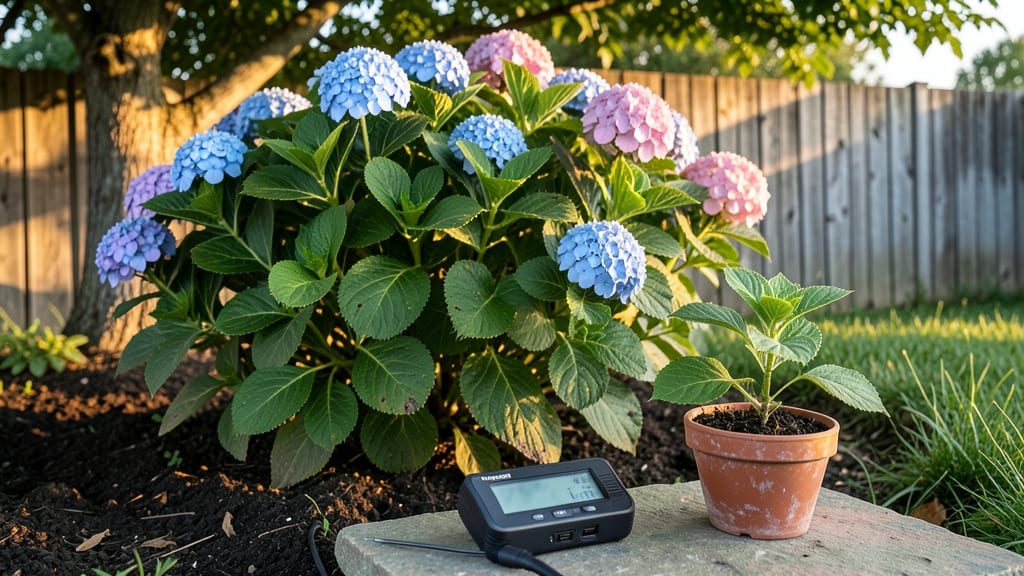
Hydrangeas can take between 4 and 6 hours of sunlight daily, thriving best in morning sun and afternoon shade 🌸 — a balance that keeps their blooms vibrant and leaves healthy.
Struggling to keep your hydrangeas blooming as beautifully as they do in garden centers? The secret might be hiding in their sunlight habits — too much or too little can drastically change their color and health.
Discover the perfect balance of sun exposure to transform your hydrangeas into the showstopper plants they’re meant to be.
Most hydrangeas prefer partial shade, especially in hot climates, where afternoon sun can scorch leaves and bleach petals. But not all varieties are the same: Bigleaf hydrangeas, for example, love dappled light, while Panicle types can handle more sun. Knowing the difference saves you from guesswork and wasted effort.
Below, I’ll break down how to read your hydrangea’s sunlight needs, adjust care based on your climate, and spot the telltale signs of sun stress before it’s too late. Your plants will thank you with bigger, brighter blooms all season.

Optimal sunlight requirements for hydrangeas by variety
Hydrangeas are like divas of the garden—they thrive when given just the right amount of sunlight, but too much or too little can turn their stunning blooms into a sad, wilted mess.
The key lies in understanding each variety's unique needs, as Bigleaf hydrangeas crave shade while Panicle types bask in the sun. Even the sunlight spectrum affects their bloom color, making this knowledge essential for gardeners who want vibrant, long-lasting flowers.
Sunlight triggers photosynthesis in hydrangeas, but excessive exposure can scorch leaves and bleach petals. Meanwhile, too little light weakens stems and reduces flower production. Let’s break down the sunlight requirements for each popular hydrangea type so you can give your plants the perfect light recipe for success.
📌 Summary Table: Hydrangea Sunlight Needs by Variety
| Variety | Ideal Sunlight | Bloom Color Impact | Max Tolerable Sun |
|---|---|---|---|
| Bigleaf (H. macrophylla) | Morning sun + afternoon shade (4-6 hrs) | Pink/blue hues deepen in shade; sun bleaches to green | 6 hours (risk of leaf scorch) |
| Panicle (H. paniculata) | Full sun to partial shade (6-8 hrs) | Brighter white/pink in sun; softer tones in shade | 8+ hours (heat-tolerant but may wilt) |
| Oakleaf (H. quercifolia) | Partial shade (4-6 hrs, filtered light) | Rich pink/white; shade enhances vibrancy | 6 hours (avoid harsh afternoon sun) |
| Smooth (H. arborescens) | Partial shade to full sun (5-7 hrs) | White blooms brighten in sun; shade may dull | 7 hours (drought-tolerant but prefers shade) |
The Bigleaf hydrangea, the most popular variety, is a shade lover—think dappled sunlight under tall trees. When exposed to direct afternoon sun, its leaves turn crispy, and its pink or blue blooms fade to a sad, greenish hue.
For these varieties, morning sun (before 10 AM) is ideal, followed by afternoon shade. Soil pH also plays a role here: acidic soil (pH 5.2–5.5) produces blue blooms, while alkaline soil (pH 6.0+) yields pink flowers.
Panicle hydrangeas, like the 'Limelight' or 'Little Lime' varieties, are the sun-seekers of the group. They thrive in full sun (6–8 hours) and even tolerate hot afternoons better than other types. Their blooms start white and age to pink or lime green, with the intensity deepening in full sun. If you live in a hot climate, provide afternoon shade to prevent leaf scorch, especially in USDA Zones 8–10.
Oakleaf hydrangeas are the underdogs with stunning fall foliage, but they’re picky about sunlight. They prefer morning sun and afternoon shade, mimicking their native woodland habitats. Too much sun causes their leaves to yellow or brown, while too little shade makes their stems weak.
These hydrangeas are also drought-tolerant once established, making them great for low-maintenance gardens if given the right light balance.
The Smooth hydrangea, including the 'Annabelle' variety, is a versatile middle-ground plant. It handles partial shade to full sun but prefers 5–7 hours of sunlight to produce its iconic white blooms.
In full sun, its flowers may appear more vibrant, but the plant itself can become heat-stressed in extreme climates. Mulching with organic matter (like shredded bark) helps retain moisture and protect roots from temperature swings.
Scientifically, sunlight drives flower development in hydrangeas through photosynthesis, which produces energy for blooming. However, too much sun increases transpiration, causing water loss and stress.
The phytochrome pigments in hydrangea leaves also respond to light quality: blue light (morning sun) promotes compact growth, while red light (afternoon sun) can stretch stems and reduce bloom quality. For optimal growth, aim for morning sun exposure paired with afternoon shade, especially in humid climates.
Pro tip: If your hydrangeas are already planted and struggling with sunlight, don’t rush to move them. Instead, gradually acclimate them by adjusting shade cloth or pruning nearby trees to filter light over a few weeks. Sudden changes can sh
Morning sun vs. afternoon sun: what’s best for your hydrangeas?
Hydrangeas thrive in partial shade, but the timing of that sunlight matters just as much as the amount. Morning sun provides gentle, cooler rays that hydrate plants without stressing them, while afternoon sun can scorch leaves and bleach blooms.
Understanding this difference can mean the difference between vibrant blooms and struggling shrubs.
Most hydrangeas prefer 4-6 hours of morning sunlight paired with afternoon shade, especially in hot climates.
This balance protects their delicate leaves from the intense UV rays that peak between 12 PM and 4 PM. If your hydrangeas are already established, you can gradually adjust their exposure to find the sweet spot.
⚖️ Morning Sun vs. Afternoon Sun for Hydrangeas
| Factor | Morning Sun | Afternoon Sun |
|---|---|---|
| Temperature | Cooler, gentler rays | Hotter, harsh rays |
| Humidity | Higher moisture retention | Lower, dries leaves faster |
| Leaf Stress | Minimal scorch risk | High burn risk |
| Bloom Color | Vibrant, true hues | Faded, bleached blooms |
🌱 Pro Tip: Use a light-colored shade cloth (30-50%) if afternoon sun is unavoidable.
If your hydrangeas are new to your garden, acclimate them slowly to avoid shock. Start with 2-3 hours of morning sun for the first week, then gradually increase exposure by 1 hour per week.
This helps their leaves toughen up without sudden stress. Mulching with 2-3 inches of organic mulch (like shredded bark) also protects roots from temperature swings.
In hot climates (Zones 7-9), hydrangeas may need afternoon shade even if they tolerate morning sun well. A lattice trellis or sheer curtain can filter sunlight without blocking airflow.
For cooler climates (Zones 3-6), they can handle more direct sun, but always monitor for signs of stress like crispy leaf edges or wilting.
Seasonal adjustments are key: In summer, prioritize morning sun + afternoon shade, while in spring and fall, you can extend their sun exposure to 6 hours total. Always water deeply in the morning to help hydrangeas withstand any afternoon heat they encounter.
Watch for leaf color changes—healthy hydrangeas have deep green leaves with no browning. If you notice yellowing or curling, it’s a sign of too much sun. Trim affected leaves to encourage new growth and move the plant to a shadier spot for a few weeks.