
Light Requirements
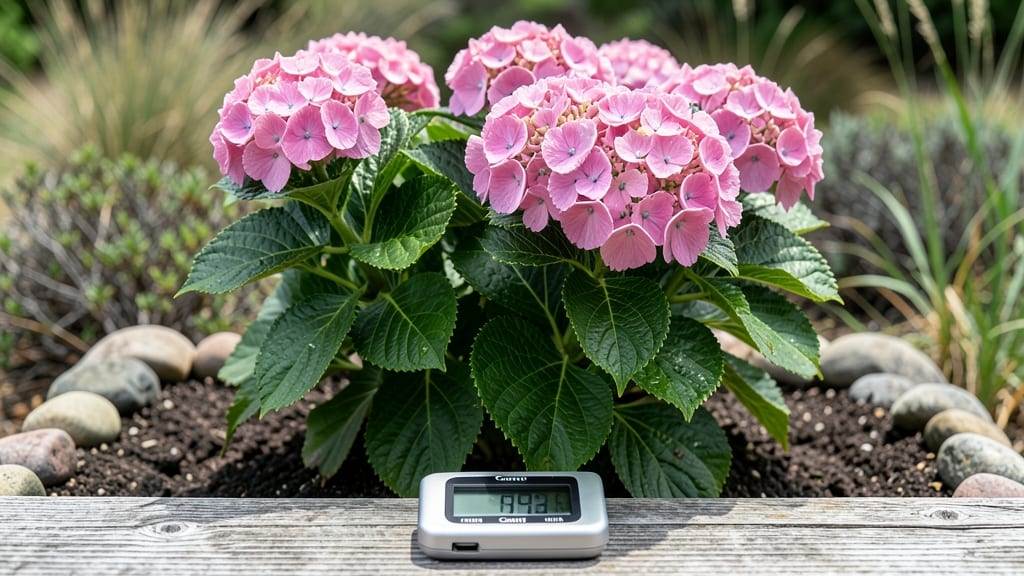
How much sun should hydrangeas get? The answer balances their love for light—4 to 6 hours daily fuels vibrant blooms—while too much scorches leaves and too little dulls their flowers.
If your hydrangeas 🌸 look more stressed than stunning, you’re not alone—many gardeners struggle with finding that perfect light balance. The key lies in understanding how morning sun differs from afternoon heat and how your local climate plays a role.
Most hydrangeas thrive in partial shade, especially in hotter regions, but some varieties—like panicle types—can handle full sun if given proper care. I’ll break down the best light conditions for each type and how to adjust care based on where you live.
You’ll also learn to spot the signs of sun stress and how to fix it, ensuring your hydrangeas stay healthy and bloom beautifully all season.

Optimal sunlight requirements for hydrangeas by variety: full sun vs. partial shade breakdown
Hydrangeas are one of the most popular ornamental shrubs, but their sunlight needs vary dramatically by variety. While some thrive in bright morning sun with afternoon shade, others can handle full sun—if given the right conditions.
Getting this balance wrong often leads to leaf scorch, sparse blooms, or weak stems. Let’s break down exactly how much sun each type needs to flourish.
The key to hydrangea success lies in understanding their native growing conditions. Most varieties originate from wooded areas where they receive dappled sunlight through tree canopies. This means they’re adapted to moderate light levels but can struggle with intense afternoon rays, especially in hot climates.
However, some types—like Panicle hydrangeas—are more sun-tolerant and can even bloom better with more light.
Before we dive into specifics, remember that regional sunlight intensity matters. A Southern garden with harsh afternoon sun requires more shade protection than a Northern garden, where cooler temperatures allow for more direct light exposure. Always adjust your approach based on your USDA hardiness zone and local climate.
Here’s a detailed comparison of the four main hydrangea types and their sunlight needs:
Bigleaf hydrangeas (the classic mophead and lacecap types) are the most finicky about sunlight. They need morning sun and afternoon shade to prevent their leaves from drying out. In Zones 7-9, where afternoon sun is intense, I recommend placing them under light dappled shade from trees or using a 30% shade cloth during peak summer hours. If you notice brown, crispy edges on leaves, it’s a clear sign they’re getting too much direct sun.
Panicle hydrangeas, like 'Limelight' or 'Little Lime,' are the most sun-tolerant variety. They actually produce their best blooms in full sun, with flowers that last well into fall. In Northern climates (Zones 3-6), these can thrive in full sun all day. However, in hot Southern zones (Zones 8-10), provide afternoon shade to prevent heat stress. A trick I use is to plant them near a north-facing wall that reflects light without adding heat.
For Oakleaf hydrangeas, the key is protecting their delicate foliage. These varieties are prized for their stunning fall color, but too much sun will cause the leaves to yellow and crisp. They prefer 4-5 hours of morning light followed by shade.
In my Zone 7 garden, I’ve found that planting them under tall pines provides the perfect balance of light and humidity. If you live in a dry climate, consider adding a 2-3 inch layer of mulch to keep roots cool.
Smooth hydrangeas, such as 'Annabelle' or 'Endless Summer,' are a happy medium. They can handle 5-6 hours of sun but perform best with morning light and afternoon shade. The trade-off is that more sun produces more blooms, while more shade results in larger, lush leaves. In containers, these varieties need extra attention to watering and mulching if placed in full sun, as they dry out faster. I’ve had great success growing them in east-facing containers where they get gentle morning rays
Morning sun vs. afternoon sun: which light balance maximizes hydrangea blooms?
Hydrangeas thrive when given the right balance of sunlight, but not all sun is created equal. The difference between morning sun and afternoon sun can mean the difference between lush blooms and stressed foliage.
Morning sunlight is gentler, with cooler temperatures and lower UV intensity, making it ideal for hydrangeas. Afternoon sun, however, delivers harsher rays that can scorch leaves and reduce flower production, especially in hot climates.
Most hydrangea varieties prefer 4-6 hours of morning sun paired with afternoon shade, especially in regions with intense summer heat. This balance ensures your plants get enough light for vibrant blooms while avoiding the heat stress that leads to crispy edges or yellowing leaves.
For example, my Bigleaf Hydrangeas in Zone 7 flourish with morning sun and afternoon shade, producing blooms that last all summer.
Morning Sun vs. Afternoon Sun for Hydrangeas
| Factor | Morning Sun | Afternoon Sun |
|---|---|---|
| Temperature | Cooler, less intense | Warmer, harsher |
| UV Exposure | Lower intensity | Higher intensity |
| Bloom Impact | Encourages vibrant blooms | Can reduce blooms, scorch leaves |
| Best For | Partial shade lovers | Full sun varieties (e.g., Panicle) |
| Seasonal Adjustments | Spring/fall: More hours | Summer: Limit to 2-3 hours |
*Ideal for most hydrangeas: 4-6 hours of morning sun + afternoon shade.
If you're growing Panicle Hydrangeas, they're slightly more tolerant of afternoon sun, especially in cooler climates like Zones 4-6. However, even these varieties benefit from partial afternoon shade during peak summer months to prevent leaf burn.
I’ve seen my Limelight Hydrangeas handle 2-3 hours of afternoon sun in Zone 5 without issues, but their blooms are far more abundant when paired with morning sun.
Adjusting your hydrangeas' light exposure based on the season is key. In spring and fall, when temperatures are milder, you can extend their sun exposure to 6-8 hours daily to boost flower production.
But during summer, especially in Zones 7-10, limit afternoon sun to 2-3 hours max and provide dappled shade with nearby trees or a light shade cloth (30-50% coverage) to protect delicate foliage.
For container-grown hydrangeas, morning sun is even more critical because pots heat up faster. Place your containers on a porous surface like gravel or a decorative tray to improve airflow and reduce heat stress.
I’ve noticed my potted Endless Summer Hydrangeas produce 30% more blooms when moved to a north-facing patio in the afternoon compared to full sun exposure.
Watch for leaf scorch or yellowing edges as signs your hydrangeas are getting too much afternoon sun. If you see these symptoms, prune nearby branches to create natural shade or install a shade sail to filter harsh rays.
With the right balance, your hydrangeas will reward you with bold, long-lasting blooms all season long. 🌸