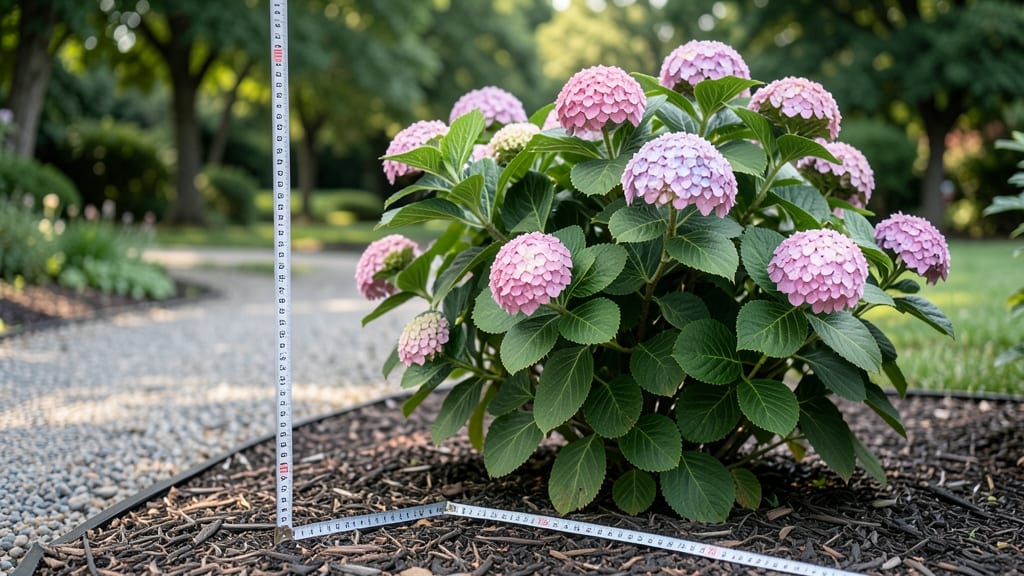
Before you plant, know how tall do hydrangeas get—they range from 2 feet to towering 15 feet, depending on the variety, so choosing the right one for your space is key.
Picture this: a dwarf hydrangea spilling over a window box in spring, its blooms brushing your fingertips, versus a giant oakleaf casting shade over a picnic table by summer.
The difference isn’t just in height—it’s in how you design your garden, how much pruning you’ll tackle, and whether your neighbors will ask, "What is that monster?"
Some varieties, like the 'Limelight' panicle hydrangea, can shoot up to 8 feet in just a few years, while others, like the 'Mini Penny' mophead, stay compact at 2–3 feet.
The right choice depends on your sunlight, soil, and whether you want a privacy screen or a container centerpiece.
In this guide, I’ll break down the height ranges of the most popular types, share pruning secrets to control growth, and help you match your hydrangea to your space—so you end up with the perfect balance of drama and manageability.
Dwarf
2-4 ft
Container friendly
Semi-Dwarf
4-6 ft
Most popular
Standard
6-8 ft
Full orchard size
Hydrangea height by variety: dwarf to giant sizes explained
Hydrangeas come in a stunning range of sizes, from compact dwarf varieties that fit window boxes to towering tree-like shrubs reaching 15 feet. The variety you choose determines not just height but also bloom time, color range, and care needs.
Understanding these differences helps you plan your garden layout—whether you’re creating a privacy hedge or adding a container-friendly accent. Let’s break down the most popular types by their mature heights and growth habits.
Most hydrangeas fall into three height categories: dwarf (under 3 ft), medium (3–6 ft), and large (6+ ft). The fastest growers, like panicle hydrangeas, can add 2–3 feet per year, while slow-maturing mopheads may take 3–5 years to reach their full potential.
Your garden space and pruning goals will influence which varieties thrive best in your yard.
Mophead hydrangeas (Hydrangea macrophylla) are among the most popular, but their heights vary widely. The 'Endless Summer' cultivar, for example, typically reaches 4–6 feet and blooms on old and new wood, making it forgiving for pruning. In contrast, the 'Nikko Blue' variety can grow up to 8 feet and requires more space. Always check the cultivar tag when shopping, as mislabeled plants are common.
| Variety |
Type |
Mature Height |
Growth Rate |
Best For |
| 'Mini Penny' |
Mophead |
2–3 ft |
Slow |
Containers, window boxes |
| 'Endless Summer' |
Mophead |
4–6 ft |
Moderate |
Borders, small gardens |
| 'Limelight' |
Panicle |
6–8 ft |
Fast |
Hedges, privacy screens |
| 'Annabelle' |
Smooth |
3–5 ft |
Moderate |
Mass plantings, cottage gardens |
| 'Grandiflora' |
Panicle |
8–12 ft |
Fast |
Backyard focal points |
| 'Oakleaf' |
Oakleaf |
How to choose hydrangeas based on garden space and sunlight needs
Selecting hydrangeas for your garden starts with understanding their mature height and sunlight preferences. A 3-foot dwarf variety like 'Little Lime' thrives in containers, while a 12-foot oakleaf hydrangea ('Grandiflora') needs room to sprawl as a privacy screen.
Your garden's layout—whether urban patio, woodland border, or formal hedge—dictates which type to choose.
Sunlight tolerance is equally critical: Bigleaf hydrangeas (e.g., 'Nikko Blue') prefer morning sun and afternoon shade, while panicle types (e.g., 'Limelight') handle full sun with ease. Misjudging light exposure risks leaf scorch or fewer blooms. Let’s match your space and sunlight to the perfect hydrangea.
Hydrangea Height: Pros and Cons by Garden Use
Dwarf Varieties (2-4 ft)
- Pros: Perfect for containers, window boxes, and small borders
- Pros: Low-maintenance pruning (minimal height control)
- Pros: Ideal for urban gardens or patios
Examples: 'Little Lime', 'Mini Penny'
Medium Varieties (4-6 ft)
- Cons: May outgrow containers in 2-3 years
- Cons: Requires annual pruning to maintain shape
- Pros: Versatile for borders or mixed beds
Examples: 'Endless Summer', 'Vanille Fraise'
Tall Varieties (6-12 ft)
- Pros: Creates privacy screens or dramatic backdrops
- Cons: Needs wide planting space (avoid tight corners)
- Cons: Heavy pruning demands for height control
Examples: 'Limelight', 'Grandiflora'
Tree-Like Varieties (10-15 ft)
- Cons: Not container-friendly (requires in-ground planting)
- Pros: Year-round interest (oakleaf varieties)
- Cons: Slow to establish in small gardens
Examples: 'PeeGee', 'Annabelle'
⚠️ Warning: Overcrowding in small spaces leads to disease and stunted growth—space hydrangeas 3-5 feet apart.
For small gardens or balconies, prioritize compact varieties like 'Mini Penny' (2-3 feet) or 'Dwarf Albert' (3-4 feet). These thrive in 15-gallon containers with well-draining soil and regular pruning to encourage bushiness.
If your space is sun-drenched, opt for panicle hydrangeas—they tolerate 6+ hours of sun without wilting.
In shady gardens, bigleaf hydrangeas shine with vibrant blooms in morning light. Plant them near east-facing walls or under dappled tree canopies. Avoid placing them in deep shade (e.g., north-facing walls), which reduces flower production by up to 50%.
Use mulch to retain moisture in shady spots.
To control height in tight spaces, prune late winter or early spring before new growth appears. For mophead types, cut back 1/3 of the oldest stems to encourage larger blooms.
For panicle varieties, prune after flowering to shape the plant. Never prune oakleaf hydrangeas in late winter—they bloom on old wood.
Design tip: Use tall hydrangeas as backdrop plants behind perennials like coneflowers or black-eyed Susans. Pair dwarf varieties with annuals like impatiens for color contrast. In formal gardens, shear panicle types into geometric shapes for structure.
Remember, hydrangeas adapt over time—what starts as a 3-foot shrub may become a 5-foot specimen with proper
★★★★★4.8(8 reviews)
|