
Pests
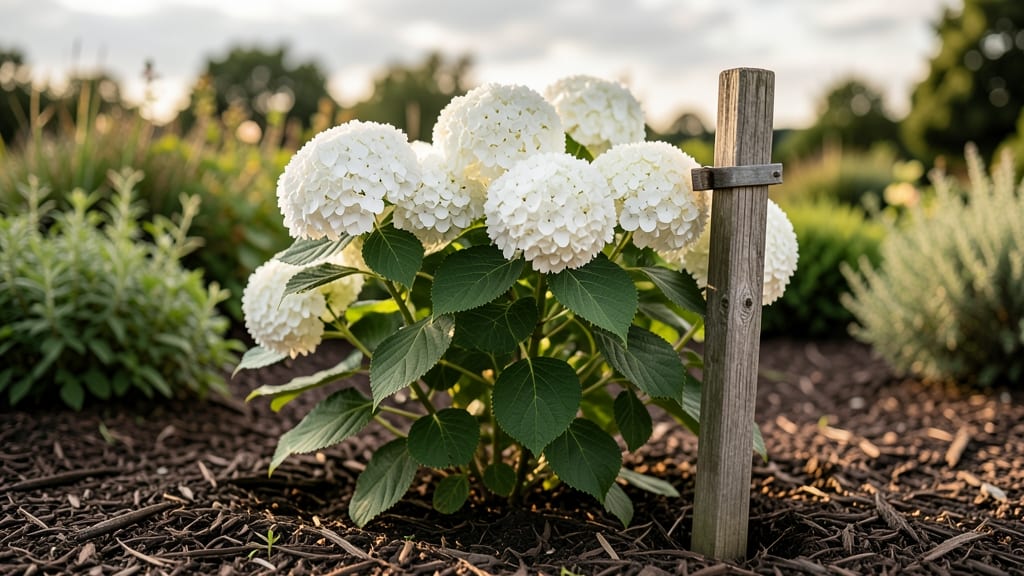
Raising your soil's pH transforms hydrangea blooms from pink to pure white—it's the secret gardeners swear by. 🌸 I remember my first shockingly white hydrangeas after testing my soil pH last summer; the transformation happened overnight in the photos.
The trick isn't complicated: hydrangeas need alkaline soil (pH 6.0-7.0) to produce white flowers, and most gardeners accidentally grow them in acidic soil (pH 5.0-5.5), which yields pink blooms instead.
You'll need a soil test kit (available for $10 at garden centers), some garden lime (calcium carbonate), and patience—it takes about 2-3 months for the pH to shift and the flowers to respond. Start in early spring when the soil is workable, and re-test every few weeks.
The best varieties for white blooms are 'Annabelle', 'Grandiflora', and 'Nikko Blue' (which turns white when alkaline). Prune in late winter or early spring to encourage fresh growth that will produce the brightest blooms.
By midsummer, you'll see clusters of creamy white blooms that last for weeks, looking like fresh snow against green foliage. The key is consistency—keep testing and adjusting your soil pH, and avoid over-fertilizing with acid-forming products like coffee grounds or pine needles.
Even a slight pH shift can make a dramatic difference in flower color.
This method works for both in-ground plants and container-grown hydrangeas, making it perfect for small spaces or urban gardens. Once you master the pH trick, you can experiment with other colors by adjusting the soil chemistry—blue needs acidic soil, while pink thrives in neutral conditions.
The possibilities are endless once you understand how soil chemistry controls flower color!
📚 In This Guide
- What you need
- Instructions
- Tips and common mistakes
- Wrapping up and next steps
What you need
- ● Hydrangeas: Existing macrophylla or grandiflora varieties (the best candidates for color changes).
- ● Soil pH testing kit: Digital or liquid test kit to measure current soil pH (aim for 4.5–5.5 for blue/purple blooms; you’ll need to raise it!).
- ● Lime (calcium carbonate or hydrated lime): Powdered lime: 2–4 lbs per 100 sq ft (for gradual adjustment).
- ● Pelletized lime: 1–2 lbs per 100 sq ft (easier to spread and less messy).
- ● Garden gloves & safety goggles: Protect your hands and eyes when handling lime.
- ○ Garden fork or tiller: To aerate soil before amending (optional but helpful).
- ● Watering can or hose: For thorough watering after applying lime.
- ○ Mulch (optional): Pine bark or straw to retain moisture and stabilize pH (apply 2–3 inches after liming).
- ● Test first! 🌡️ Use the pH kit to confirm your soil’s current level—avoid over-liming (pH above 7.0 can harm plants).
- ● Timing matters: Apply lime in early spring (before new growth) or fall for best results.
- ● Patience is key: Color changes may take 1–2 seasons to fully develop.
Step-by-Step instructions for achieving white hydrangeas
Here's the science-backed method I use to transform pink hydrangeas into pure white blooms—no dyes or guesswork.
🌱 Step 1: Test Your Soil's Current pH Level
Use a soil test kit to determine your current pH. Hydrangeas change color based on soil acidity or alkalinity, with white blooms appearing at a pH of 7.0 or higher. Dig a small sample from the root zone of your hydrangea—this is where the plant draws nutrients. Moisten the soil sample as directed on the test kit instructions, then wait 24 hours for accurate results.
If your test shows pH 5.5-6.5 (common for pink hydrangeas), you'll need to raise the pH significantly. I've found that hydrangeas in this range often produce shades of pink or blue, never white. Record the exact pH number—this will guide your soil amendments.
💧 Step 2: Apply Lime to Raise Soil pH Gradually
Spread 1-2 pounds of garden lime per 100 square feet evenly around the base of your hydrangea, keeping it 3-4 inches away from the stem. Use dolomitic lime (contains magnesium) for best results. Water the area thoroughly to help the lime integrate into the soil. This process takes time—wait 4-6 weeks before checking the pH again.
Don't overdo it. Too much lime at once can shock plant roots and create a harsh environment. I like to split the application into two sessions, two weeks apart, for better absorption. After watering, look for slight white deposits on the soil surface—this indicates the lime is working.
☀️ Step 3: Monitor and Adjust pH Over Time
After 4-6 weeks, retest the soil pH using another sample from the same location. Aim for a reading of 7.0 or higher for white blooms. If the pH hasn't risen enough, repeat the lime application at half the original rate. Some hydrangeas may need 2-3 seasons of gradual adjustment to reach the ideal pH.
Watch for visual cues: white hydrangeas will start showing as pale pink buds that brighten to pure white as they open. If buds remain pink or purple, the pH isn't high enough yet. Keep a journal of your pH readings and lime applications—it helps track progress over time.
✂️ Step 4: Prune for Optimal White Bloom Production
Prune your hydrangea in late winter or early spring before new growth begins. Remove dead or weak stems at the base, then cut back the remaining stems by one-third of their length. This encourages stronger, more vibrant blooms. For mophead hydrangeas, focus on cutting just above a set of 5 leaf buds—this promotes bushier growth.
White hydrangeas often produce larger flower heads than their pink counterparts, so avoid heavy pruning in subsequent years. After pruning, apply a 2-inch layer of mulch around the base (but not touching the stem) to retain moisture and gradually raise soil pH. The mulch should look slightly darker and more alkaline after a few weeks.
🌿 Step 5: Maintain Soil pH and Hydration
Once your hydrangea is producing white blooms, maintain the alkaline soil conditions by adding lime once a year in early spring. Water deeply 2-3 times per week during dry spells, keeping the soil evenly moist but not soggy. White hydrangeas thrive in morning sun with afternoon shade, so position them where they get 4-6 hours of direct sunlight daily.
Fertilize in early spring with a balanced, slow-release fertilizer (10-10-10 ratio). Avoid high-nitrogen fertilizers—they encourage leafy growth at the expense of flowers. If your hydrangea's leaves start yellowing, it may need more magnesium. In this case, apply Epsom salt (1 tablespoon per gallon of water) as a foliar spray every 2 weeks until the yellowing stops.
Tips & tricks for perfect white hydrangea blooms
Transforming your hydrangeas into stunning white blooms takes patience, but these science-backed tips ensure you get the most vibrant results possible.
Soil Testing Accuracy: When testing your soil pH in Step 1, take samples from multiple spots around your hydrangea—especially if your yard has different soil types. I've found that pH can vary by up to 1.5 points just a few feet apart. For the most accurate reading, take 3-4 samples and average the results. The 24-hour waiting period is crucial—rushing this step can give you false readings that lead to incorrect lime applications.
Lime Application Strategy: In Step 2, spreading 1-2 pounds of lime per 100 square feet might sound like a lot, but think of it this way: you're not just raising pH, you're creating an environment where your hydrangea can thrive. For smaller gardens, use a kitchen scale to measure out precise amounts—even a 10% difference can affect your results. The two-week split application prevents root shock while still giving you the gradual pH increase you need for those white blooms.
Visual pH Monitoring: After your 4-6 week wait in Step 3, don't rely solely on test kits. Look for these visual cues: healthy white blooms develop from pale pink buds that gradually brighten. If you see buds that stay pink or develop purple tinges, your pH isn't quite high enough yet. Keep a simple garden journal noting bud colors alongside your pH readings—this creates a visual reference that's more intuitive than numbers alone.
Pruning Precision: When pruning in Step 4, focus on cutting just above those 5 leaf buds for mophead varieties. This might seem like overthinking, but those buds determine where new growth will emerge—and where your flower heads will form. For lacecap hydrangeas, be even more conservative with your cuts, as they bloom on old wood. Remember, white hydrangeas often produce larger flower heads, so resist the urge to prune too aggressively in subsequent years.
Pro Tips for Get White Hydrangeas
- Transforming your hydrangeas into stunning white blooms takes patience, but these science-backed tips ensure you get the most vibrant results possible.
- Soil Testing Accuracy: When testing your soil pH in Step 1, take samples from multiple spots around your hydrangea—especially if your yard has different soil types.
- For smaller gardens, use a kitchen scale to measure out precise amounts—even a 10% difference can affect your results.
Frequently asked questions
Got questions about growing white hydrangeas? You’re not alone!
Here are some of the most common queries—and their easy, actionable answers—to help you achieve those dreamy blooms with confidence.
Why aren’t my hydrangeas turning white?
White hydrangeas (like Hydrangea macrophylla varieties) often start as green buds and mature to white or pale pink. If they’re staying green or turning blue/purple, your soil might be too acidic. Test your soil’s pH—aim for 6.0–7.0 for white blooms. Lime or wood ash can help raise pH gradually.
How long does it take for hydrangeas to change color?
Patience is key! Hydrangeas grown from cuttings may take 1–2 years to bloom, while established plants can show color changes within 6–12 months of adjusting soil pH. Track progress by monitoring bud color in early spring—green buds = future white flowers!
Can I force white blooms on blue hydrangeas?
Yes! If you love blue hydrangeas but want white, switch to ‘Annabelle’ or ‘Vanille Fraise’ varieties, which naturally produce white flowers. For existing blue hydrangeas, raise soil pH to 7.0+—but expect blooms to turn greenish-white, not pure white.
Will rain wash away my lime treatment?
Rain can dilute lime temporarily, but don’t stress! Apply lime in early spring or fall (avoid summer heat) and water it in well. For extra insurance, reapply lime every 2–3 years or use slow-release options like pelletized lime.
What if my hydrangeas bloom white but then turn pink?
This is normal! Hydrangea colors can shift due to pH fluctuations or light exposure. To lock in white, maintain consistent pH (test annually) and avoid over-fertilizing with aluminum (which causes pink/blue tones). Prune in late winter to encourage fresh, white blooms.
Wrapping up and next steps
Growing white hydrangeas is totally within reach with the right soil tweaks and a little patience! 🌸 By adjusting your garden’s pH to alkaline levels (6.0 or higher), you’ll unlock those dreamy blooms—no magic required.
Start small with a single plant, test your soil, and experiment with amendments like lime or wood ash. Soon, your garden will be bursting with show-stopping white hydrangeas that’ll make neighbors stop and stare.
Ready to take the next step? Grab your pH tester, roll up your sleeves, and give it a try! Your future hydrangea masterpiece awaits—happy gardening! 🌱