
How To
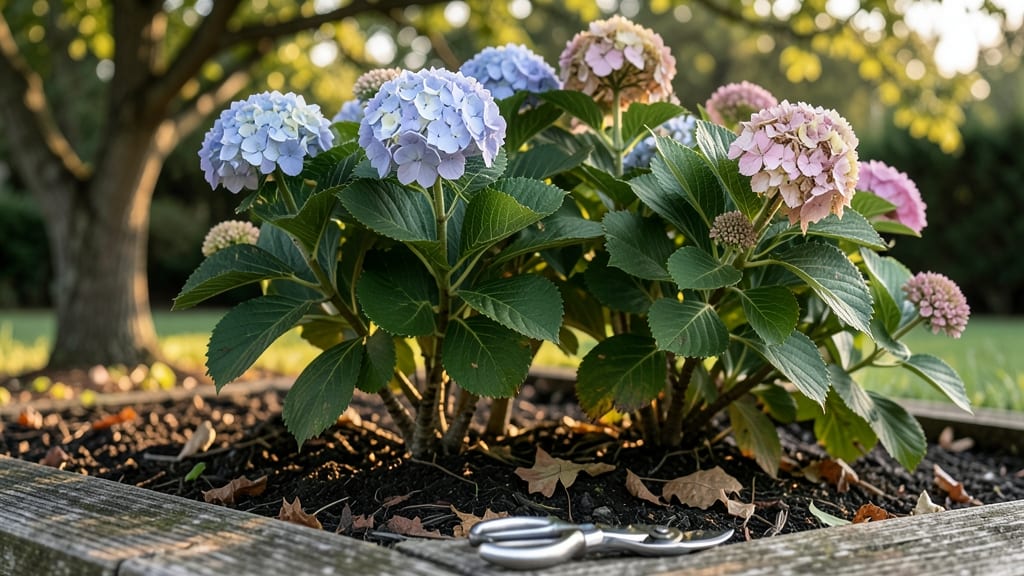
To harvest hydrangeas for long-lasting blooms, time your cuts when flower clusters are fully open but still firm — usually between late summer and fall.
Picture this: you’ve spent months nurturing your 🌸 hydrangeas, and now the moment has arrived to bring their beauty indoors. But harvest too early, and the blooms wilt in days. Cut too late, and you miss the peak of their color and texture.
The difference between a perfect arrangement and a sad, drooping bouquet often comes down to a few simple steps.
Whether you’re saving seeds, crafting bouquets, or propagating new plants, knowing when and how to harvest makes all the difference. Below, I’ll walk you through the ideal timing, the best tools to use, and the little tricks that keep your hydrangeas fresh for weeks.
From avoiding common mistakes to extending vase life, you’ll discover how to turn your garden’s best blooms into stunning centerpieces that steal the show.


When to harvest hydrangeas for best blooms and longevity
Timing is everything when harvesting hydrangeas—cut too early, and your blooms won’t reach their full color potential. Harvest too late, and they’ll wilt faster in your vase. The ideal harvest window depends on the hydrangea variety and your climate zone.
For most gardeners in USDA Zones 6-9, late summer to early fall (August through October) is prime time.
Each hydrangea type has unique cues for peak harvest. Mophead hydrangeas (like 'Endless Summer') should be cut when their flower clusters are 70-80% open—this ensures vibrant colors and sturdy stems. Lacecap varieties (such as 'Limelight') thrive when their outer petals are fully unfurled but inner blooms remain tight.
Meanwhile, panicle hydrangeas (like 'Little Lime') can wait until their cone-shaped blooms turn fully green or brown.
🌸
Weather plays a critical role in hydrangea harvest timing. Avoid cutting after heavy rain or during extreme heat (above 90°F), as these conditions stress the plant and shorten vase life.
Instead, choose cool, cloudy mornings when stems are hydrated. If you’re in a hotter climate, harvest earlier in the season—June or July—to beat the summer heat.
Color development is another key indicator. For blue hydrangeas, harvest when blooms reach their deepest hue (usually late summer). Pink varieties often peak slightly earlier, so monitor them closely. If you’re growing color-changing varieties (like 'Nikko Blue'), wait until they’ve shifted fully to their final shade before cutting.
🌿
Don’t overlook the importance of stem maturity. The best stems for cutting are 2-3 inches long, with at least 2-3 sets of leaves attached. These stems will absorb more water, keeping your hydrangeas fresh longer.
If you’re harvesting for propagation, choose stems with healthy leaf nodes—these will root more easily in water or soil.
Seasonal adjustments are essential. In cooler climates (Zones 3-5), harvest hydrangeas in late August to avoid early frosts. In warmer zones (Zones 9-11), you might extend harvesting into November, but always check for leaf browning or bud dormancy as signs to stop.
Pro tip: If you’re unsure about timing, do a test cut a few days before your planned harvest. Place the blooms in a vase with lukewarm water and flower food—if they last 5+ days without wilting, you’re ready for the full harvest!
🌳
Finally, remember that over-harvesting weakens your hydrangea shrub. Never remove more than 1/3 of the plant’s blooms in a single season. This ensures your hydrangea will rebloom next year with even more vibrant flowers. By following these timing tips, you’ll enjoy longer-lasting bouquets and a healthier, more productive shrub.
Step-by-step guide to cutting hydrangeas for perfect arrangements
Nothing beats the sight of hydrangea blooms in a vase, but their longevity depends entirely on how you harvest them. With the right cutting techniques and post-harvest care, your arrangements can stay vibrant for 10-14 days—or even longer!
The key lies in timing, sharp tools, and proper stem preparation.
First, gather your essential tools: a pair of clean, sharp pruners, a large bucket of room-temperature water, and a flower preservative (available at garden centers).
Avoid dull scissors—they crush stems, shortening vase life. Work on a cool, cloudy morning when plants are hydrated and blooms are at their freshest.
How to Harvest Hydrangeas for Maximum Freshness
- 1 Choose the right blooms: Select fully open clusters with vibrant colors and firm petals. Avoid buds that are still closed or show signs of wilting.
- 2 Cut at the correct angle: Use sharp pruners to make a 45-degree diagonal cut about 6 inches below the bloom. This increases water uptake and keeps stems sturdy.
- 3 Strip excess foliage: Remove lower leaves from the stem (up to halfway up) to reduce bacterial growth in water. Leave a few leaves near the bloom to protect it.
- 4 Immerse stems immediately: Place cut stems in a bucket of room-temperature water for 30 minutes to rehydrate. This prevents wilting and extends vase life by up to 3 days.
- 5 Prepare the vase: Use a clean vase and add 1 tsp of flower food to the water. Change water every 2-3 days and trim stems by 1 inch to encourage fresh uptake.
After harvesting, store your hydrangeas in the fridge overnight if you can't arrange them immediately. The cool temperature slows down respiration, keeping blooms fresher longer. When ready, trim stems again under running water to remove air bubbles that could block water flow.
For extra-long vase life, add a sugar and bleach solution (1 tbsp sugar + 1/4 tsp bleach per quart of water) to the vase. This delays bacterial growth and keeps stems crisp. Avoid placing hydrangeas near direct sunlight or heat sources, as these accelerate wilting.
With these proven techniques, your hydrangea arrangements will stay lush and colorful for weeks—making every cut worth the effort! 🌸✂️💧