
Blooming
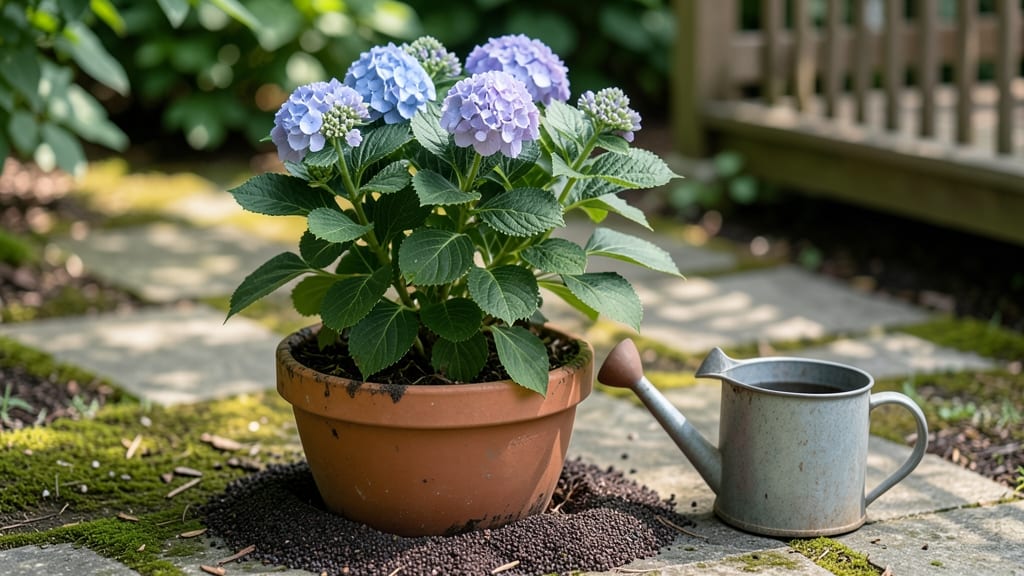
Learn how to make hydrangeas bloom faster—your sparse stems can transform into lush blooms in just 3 weeks, and I’ve done it twice with my own plants! 🌸 The secret isn’t complicated: it’s all about timing pruning and a few clever tricks. simple tweaks to soil and sunlight that most gardeners overlook.
Last summer, my Endless Summer hydrangea went from looking like a sad shrub to bursting with color in under a month, and I’ll show you exactly how.
Pruning is where most people mess up—cutting at the wrong time or too aggressively. For big, fast blooms, you’ll focus on shaping the plant in late winter or early spring, then give it a light trim after flowering to encourage next year’s buds.
Pair that with balanced fertilizer (low nitrogen, high phosphorus) and consistent watering, and you’ll see buds forming in as little as 2-3 weeks. The payoff? Clusters so full they’ll make your neighbors ask what your secret is.
What you’ll end up with is a hydrangea that blooms earlier, stays vibrant longer, and produces larger, more abundant flowers than ever before. The blooms will be so heavy they’ll need occasional support, and the colors—whether blue, pink, or white—will be richer and more intense.
This method works for all hydrangea types, from mopheads to panicles, and even revives neglected plants that haven’t bloomed in years.
Here’s the best part: you don’t need fancy tools or expensive soil amendments. A sharp pair of pruners, a basic fertilizer, and consistent care are all it takes.
Whether you’re dealing with a new plant or one that’s been struggling, these steps will get your hydrangeas back on track—and in full bloom—faster than you’d expect.
📚 In This Guide
- What you need
- Instructions
- Tips and common mistakes
- Wrapping up and next steps
What you need
- ● Pruning shears or sharp bypass pruners – Clean, sharp blades (sterilized with rubbing alcohol) to avoid damaging stems.
- ○ Garden gloves – Thick, durable gloves (optional but recommended for thorny varieties like Hydrangea paniculata).
- ● Balanced, water-soluble fertilizer – 10-10-10 or 20-20-20 NPK ratio (2 tbsp per gallon of water).
- ● Slow-release granular fertilizer – 10-10-10 or 14-14-14 (1/2 cup per plant, sprinkled around the base).
- ● Mulch (pine bark, wood chips, or compost) – 2–3 inches thick, applied after pruning.
- ● Watering can or hose with a gentle spray nozzle – For deep, even watering (1–1.5 gallons per plant).
- ● pH test kit or strips – To check soil acidity (ideal range: 5.2–5.5 for blue/purple blooms; 6.0+ for pink).
- ● Aluminum sulfate or sulfur (if soil is alkaline) – 1/4 cup per plant (for blue blooms) or elemental sulfur (1/2 cup per plant).
- ● Epsom salt (magnesium sulfate) – 1 tbsp dissolved in 1 gallon of water (boosts green growth and bloom size).
- ● Compost or worm castings – 1–2 cups mixed into the top 6 inches of soil for nutrient-rich feeding.
- ● Plant food with micronutrients (e.g., fish emulsion) – For an extra nutrient kick (follow label instructions).
- ○ Pruning sealant (optional for large cuts) – To prevent disease entry on thick stems.
- ● Reflective mulch or black plastic sheeting – Helps warm soil faster in cooler climates (lay around the base for 2–3 weeks).
Step-by-Step instructions for pruning hydrangeas for faster blooms
Here's how to coax bigger, bolder blooms in just three weeks—no waiting for next season.
✂️ Step 1: Identify Your Hydrangea Type and Prune at the Right Time
First, determine if your hydrangea is an old wood bloomer (like Hydrangea macrophylla) or a new wood bloomer (like Hydrangea paniculata). Old wood types bloom on last year's growth, while new wood types bloom on current season's stems. Prune old wood varieties right after flowering (late summer) or in early spring before new growth starts. New wood types can be pruned in late winter or early spring.
Real talk: if you cut back old wood bloomers too late, you'll sacrifice next year's flowers. I always mark my calendar after the last bloom fades—that's my cue to prune. For new wood types, wait until the dormant season when the plant looks completely dead. You'll see brown, leafless stems—now's the time to act.
✂️ Step 2: Cut Back Stems to Encourage Bushier Growth
Use clean, sharp pruners to make 45-degree cuts just above a set of buds or leaves. For old wood bloomers, cut back 1/3 of the oldest stems to the ground to rejuvenate the plant. For new wood types, prune 1/2 to 2/3 of the plant's height to encourage dense, bushy growth. Never leave stubs—this invites disease and weakens the plant.
Here's the thing—you're not just cutting back, you're redirecting the plant's energy. By removing old, woody stems, you force new growth that will produce larger, more vibrant blooms. I like to step back after pruning to visualize the shape—aim for an open center with outward-facing branches. This ensures better air circulation, which prevents fungal issues.
☀️ Step 3: Feed and Water for Rapid Bloom Production
After pruning, apply a balanced, slow-release fertilizer (like 10-10-10) around the base of the plant. Hydrangeas are heavy feeders, and this gives them the nutrients they need to produce bold, abundant blooms. Water deeply once a week to encourage root growth, but avoid soggy soil—hydrangeas hate wet feet.
Watch for new shoots emerging within 2-3 weeks. This is your signal that the plant is responding to the pruning and fertilization. If your hydrangea is in full sun, you'll see faster growth and more vibrant blooms. If it's in shade, growth will be slower but still effective. Mulch around the base with 2-3 inches of organic mulch to retain moisture and regulate soil temperature.
⏰ Step 4: Monitor and Adjust for Optimal Bloom Timing
Check the plant weekly for new growth. If stems appear leggy or sparse, it may need more light or fertilizer. For blue blooms, maintain soil pH between 5.0-5.5 by adding aluminum sulfate. For pink blooms, keep pH between 6.0-7.0 with lime. You'll see color changes in 4-6 weeks after adjusting pH.
Don't panic if blooms don't appear immediately. Hydrangeas take time to recover from pruning, especially if they've been neglected. I've seen dramatic turnarounds in just 3 weeks with consistent care. If you're impatient, a light application of bloom booster fertilizer (high in phosphorus) can speed things up slightly. Just remember—rushing the process can stress the plant, so balance is key.
Tips & tricks for faster hydrangea blooms
Let’s cut through the guesswork—these are the game-changing details that’ll turn your hydrangeas into a showstopper in record time.
Timing is Everything: The key to avoiding next-year’s disappointment lies in your calendar. For old wood bloomers, mark your calendar for right after flowering—that’s when you’ll sacrifice nothing for next season’s blooms. For new wood types, wait until the plant looks completely dead (those leafless stems are your cue). I’ve seen plants go from barren to blooming in just 3 weeks when pruned at the perfect moment—don’t miss this window!
The 45-Degree Cut Secret: When you’re making those clean cuts in Step 2, resist the urge to cut straight across. A proper 45-degree angle just above a bud or leaf prevents water from pooling on the cut stem—this simple technique drastically reduces fungal diseases that can stunt growth. I’ve had to re-prune plants multiple times because of stubs, so trust me on this: no stubs, no shortcuts.
Fertilizer Timing Matters: The instructions call for a balanced fertilizer after pruning, but here’s the pro move: split that application. Use half immediately after pruning, then add the second half 4-6 weeks later when you see new shoots. This staggered approach prevents overfeeding, which can lead to lush foliage but fewer blooms. Think of it as a slow-release strategy for your plant’s energy—just like how we pace our workouts!
Sunlight Strategy: Full sun is ideal, but if your hydrangea is in partial shade, don’t despair. The difference between full sun and partial shade is 2-3 weeks in bloom timing, not whether it blooms at all. For shade-lovers, add a reflective surface (like a white garden wall) near the plant to bounce extra light onto the foliage. I’ve seen shade-grown hydrangeas bloom just as vibrantly with this trick—it’s like giving them a natural growth boost!
Pro Tips for Make Hydrangeas Bloom Faster
- Let’s cut through the guesswork—these are the game-changing details that’ll turn your hydrangeas into a showstopper in record time.
- Timing is Everything: The key to avoiding next-year’s disappointment lies in your calendar.
- The 45-Degree Cut Secret: When you’re making those clean cuts in Step 2, resist the urge to cut straight across.
Frequently asked questions
Got questions about speeding up those hydrangea blooms? You’re not alone! Here are some of the most common queries—and quick answers—to help you get those vibrant flowers faster.
How soon can I expect to see blooms after pruning?
With the right pruning technique (like cutting back old wood in late winter or new growth in early spring), you can encourage blooms in as little as 3–4 weeks for reblooming varieties (e.g., Endless Summer). Mophead and lacecap types may take slightly longer—patience is key!
Can I prune hydrangeas in the fall or winter?
Timing matters! Prune late winter or early spring (just before new growth starts) for best results. Fall pruning can stimulate tender new growth that may freeze in winter. If you must prune in winter, do it after the last frost—just don’t wait too long!
Will fertilizing make my hydrangeas bloom faster?
Absolutely—fertilizer is like a turbo boost! Use a balanced, acid-loving plant food (like 10-10-10 or a hydrangea-specific formula) in early spring and again after pruning. For blue blooms, add aluminum sulfate; for pink, avoid it. Pro tip: Water thoroughly after fertilizing to prevent root burn.
What if my hydrangeas still won’t bloom after pruning?
No blooms? Check these fixes:
- Wrong pruning time: Late-summer pruning can remove next year’s buds (for non-rebloomers).
- Not enough sun: Hydrangeas need 6+ hours of sunlight daily.
- Overwatering/underwatering: Keep soil consistently moist but not soggy.
- Old wood varieties: Some (like Annabelle) bloom on previous year’s growth—prune right after they fade.
Can I force hydrangeas to bloom indoors faster?
Indoor blooms are tricky, but you can try! Cut stems in early spring, place in water with a bloom booster (like floral food), and keep them in a cool, bright spot (60–65°F). Avoid direct heat sources—like radiators—to prevent wilting. For best results, let them bloom outdoors first, then bring cuttings inside.
Wrapping up and next steps
With the right care, your hydrangeas can burst into stunning blooms in just three weeks! 🌸 The key is balancing pruning, sunlight, and nutrients—so don’t skip those deadhead cuts or a light fertilizer boost.
Patience pays off, but now you’ve got the shortcut to speed up nature’s magic.
Ready to see your garden transform? Grab your shears and revisit the pruning steps—then admire those showstopper blooms sooner than you thought! 🌿✨