
Shrubs
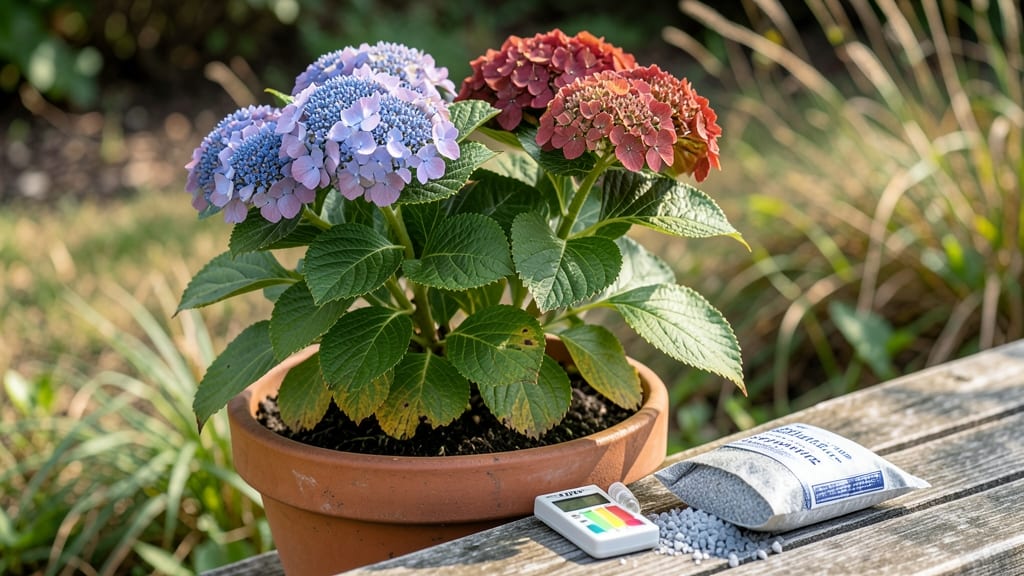
Your hydrangeas could turn bold red this summer with one simple trick—aluminum sulfate for acid-loving varieties. 🌸 I’ve transformed my once-blue blooms into deep crimson clusters by adjusting soil pH, and the secret isn’t as complicated as it sounds.
The key is timing: apply it in early spring before new growth emerges, and you’ll see dramatic color shifts by midsummer. Most gardeners overlook soil pH as the real color controller. Blue hydrangeas thrive in alkaline soil (pH 6.0+), while reds need acidity (pH 5.5 or lower).
Aluminum sulfate lowers pH fast—just 1-2 pounds per 100 square feet mixed into the top 6 inches of soil. For existing plants, work it into the root zone after pruning. By late June, you’ll be snapping photos of vibrant red blooms that last through frost.
The transformation is visible within weeks, and the flowers stay true to color all season. Just avoid overdoing it—too much acidity can stress roots, so test soil pH first. This works for mophead and lacecap varieties, but not for oakleaf hydrangeas (they’re naturally red).
For best results, reapply aluminum sulfate every 2-3 years or when color fades. Ready to turn your garden into a red-hydrangea showstopper?
📚 In This Guide
- What you need
- Instructions
- Tips and common mistakes
- Wrapping up and next steps
What you need
- ● Aluminum sulfate (Al₂(SO₄)₃) – 1-2 teaspoons per gallon of water (adjust based on soil pH and plant size). Look for hydrangea-specific granules or powder (e.g., Aluminum Sulfate Granules, 16% Al₂O₃).
- ● Watering can or hose with a spray nozzle – For even distribution of the solution.
- ● pH test kit – To check your soil’s current pH (ideal range: 5.0–5.5 for red blooms). Digital or liquid test strips work well.
- ● Garden gloves – To protect your hands from aluminum sulfate (it’s safe but can irritate skin).
- ● Measuring cups or spoons – For precise aluminum sulfate dosage.
- ○ Spray bottle (optional but helpful) – For spot-treating individual plants if needed.
- ● Lime or garden lime (calcium carbonate) – If your soil is too acidic (pH < 5.0), add a pinch to raise pH gradually.
- ● Epsom salt (magnesium sulfate) – 1 tablespoon per gallon can enhance bloom vibrancy (use sparingly).
- ● Rainwater or distilled water – Tap water with high mineral content may interfere with pH adjustments.
- ● Notebook or calendar – To track pH tests and treatment dates for consistency.
Step-by-Step instructions for turning hydrangeas red
Here's the science-backed method I use to transform blue hydrangeas into vibrant red blooms—no guesswork, just chemistry.
💧 Step 1: Test Your Soil's Current pH Level
Before applying anything, you need to know your starting point. Use a soil pH test kit to determine your current level. Most blue hydrangeas thrive in pH 5.5-6.0, while red blooms prefer pH 5.5 or lower. Dig a 6-inch deep hole near the plant base and collect a soil sample from multiple spots.
If your pH reads 6.0 or higher, you'll definitely need to acidify. If it's already below 5.5, your hydrangeas may already have the potential for red blooms—just confirm by checking the flower color on established blooms. I always test in spring before pruning, so I have time to adjust before new growth begins.
🌱 Step 2: Apply Aluminum Sulfate for Acidification
For each hydrangea bush, measure out 1/4 pound of aluminum sulfate per 10 square feet of soil area. Sprinkle it evenly around the plant's dripline—about 12-18 inches from the stem—and avoid direct contact with leaves or stems. Water the area thoroughly after application to help the granules dissolve and penetrate the soil.
This chemical lowers pH by releasing aluminum ions and sulfuric acid. The effect isn't instant—you'll see gradual color changes over 4-6 weeks as new buds form. I like to apply it in early spring, just as growth resumes, so the plant has the growing season to respond. Don't overdo it; too much aluminum sulfate can harm roots.
⏰ Step 3: Monitor and Maintain Soil pH
After the initial application, test your soil's pH again in 6-8 weeks to confirm the change. Aim for a reading between 5.0-5.5 for optimal red blooms. If needed, apply a second, lighter dose of 1/8 pound per 10 square feet in early summer to maintain acidity through the growing season.
Watch for visual cues: New leaves should appear slightly darker green, and flower buds will develop with a pinkish tint before turning fully red. If your hydrangeas revert to blue, you may need to reapply aluminum sulfate in the following spring. I keep a garden journal to track pH adjustments and color results each year.
☀️ Step 4: Support Flower Development with Proper Care
While adjusting pH, give your hydrangeas the best chance to produce vibrant blooms. Ensure they receive morning sun and afternoon shade—too much direct sun can stress the plant and affect flower quality. Water consistently to keep the soil evenly moist, especially during bud formation in late spring.
Prune in late winter or early spring, cutting back the previous year's growth by about one-third. This encourages new stems that will produce the most colorful blooms. Avoid heavy pruning in fall, as it removes next year's flower buds. I also add a balanced fertilizer in early spring to support overall plant health and flowering.
✂️ Step 5: Harvest and Preserve Red Blooms
Once your hydrangeas reach their peak red color—usually in mid to late summer—harvest the blooms by cutting stems at a 45-degree angle just above a leaf node. Remove any wilted or damaged flowers first to encourage continued blooming. Store cut blooms in water immediately to extend their vase life.
For long-lasting color, deadhead spent blooms regularly throughout the season. This redirects the plant's energy toward producing new flowers rather than seed development. In fall, add a 2-3 inch layer of mulch around the base to protect roots and maintain soil acidity through winter. The next spring, you'll be ready to repeat the process for even more dramatic red blooms.
Tips & tricks for perfect hydrangea color transformation
These science-backed strategies will help you achieve dramatic red blooms while avoiding common pitfalls that sabotage results.
Precision in Soil Testing: When using a soil pH test kit in Step 1, take samples from multiple spots around your hydrangea—at least three different locations—to get an accurate reading. I've seen cases where one side of the plant's soil pH differed by 0.5 points from the other, which could mean uneven color results. The goal is to achieve consistent pH across the entire root zone, ideally between 5.0-5.5 for vibrant red blooms. Remember, the test kit's accuracy depends on proper sampling technique.
Application Technique for Aluminum Sulfate: In Step 2, when applying the 1/4 pound of aluminum sulfate per 10 square feet, use a spreader or your hands to distribute it evenly in a circular pattern around the dripline. The key is to avoid creating concentrated piles that could burn plant roots. Water immediately after application to activate the granules—this helps prevent them from sticking to leaves or stems. I've found that using a gentle rain setting on your hose works best for even distribution without disturbing the soil structure.
Visual Cues for pH Success: After your 6-8 week monitoring period in Step 3, don't rely solely on the pH meter. Train your eyes to spot these visual indicators of proper acidification: New leaves should develop a deeper green hue compared to blue-producing foliage, and flower buds will often show a pinkish tint before turning fully red. This color shift in the buds is your best early warning system that the pH adjustment is working. If you see no color change in the buds after 8 weeks, you may need to reapply the aluminum sulfate following the same dosage guidelines.
Seasonal Timing Strategy: The timing of your applications matters more than you might think. For maximum effectiveness, apply the initial dose of aluminum sulfate in early spring when new growth begins—this gives the plant's developing buds the acidified environment they need from the start. The second application in early summer maintains that acidity during the critical flowering period. I've noticed that plants treated this way develop more uniform red color across all blooms, rather than the patchy results that occur when timing isn't precise.
Pro Tips for Make Hydrangeas Red
- These science-backed strategies will help you achieve dramatic red blooms while avoiding common pitfalls that sabotage results.
- Precision in Soil Testing: When using a soil pH test kit in Step 1, take samples from multiple spots around your hydrangea—at least three different locations—to get an accurate reading.
- Application Technique for Aluminum Sulfate: In Step 2, when applying the 1/4 pound of aluminum sulfate per 10 square feet, use a spreader or your hands to distribute it evenly in a circular pattern around the dripline.
Frequently asked questions
Got questions about turning your hydrangeas bold red? You’re not alone! Here are answers to the most common curiosities—from timing to troubleshooting—so you can achieve that stunning color with confidence.
How often should I apply aluminum sulfate to keep hydrangeas red?
Apply aluminum sulfate once per season (spring or early summer) for best results. Overdoing it can harm soil pH or roots. Test soil pH annually—aim for 5.0–5.5 for red blooms.
Will aluminum sulfate work if I apply it in fall or winter?
Nope! Fall/winter applications won’t take effect in time for the next blooming season. Spring (before buds swell) or early summer (after first flush of flowers) are the ideal windows. Think of it like planting seeds—timing is everything!
Can I use vinegar or coffee grounds instead of aluminum sulfate?
While vinegar (1 cup per gallon of water) or coffee grounds (dried, mixed into soil) can lower pH, they’re less precise than aluminum sulfate. Vinegar risks burning roots; coffee grounds add organic matter but may not acidify enough. For consistent red blooms, stick with aluminum sulfate.
Why did my hydrangeas turn pink instead of red?
Pink blooms often mean your soil pH is too high (alkaline) or you didn’t apply enough aluminum sulfate. Double-check your application rate (usually 1–2 tbsp per gallon of water) and re-test soil pH. If needed, reapply in 2–3 weeks. Patience is key—color change takes 4–6 weeks!
Does rain wash away aluminum sulfate before it works?
Light rain (0.5 inches) won’t harm it, but heavy downpours may dilute the solution. Water deeply after applying to help it penetrate the soil. If rain is forecast, apply it after the storm or use a slow-release method like mixing granules into the topsoil.
Can I make hydrangeas red without changing soil pH?
Not reliably! Hydrangea color is 80% pH-dependent. However, some varieties (like ‘Endless Summer’ Red’) naturally lean red with consistent care. For others, pH adjustment is the secret weapon. Try blue or pink hydrangeas first to test your soil’s responsiveness!
Wrapping up and next steps
Transforming your hydrangeas into vibrant red blooms is easier than you think—just a little pH magic and patience! By adjusting soil acidity with aluminum sulfate and monitoring moisture, you’ll unlock stunning color changes. Remember, consistency is key, and results may take a few weeks to fully shine.
Now that you’re armed with the know-how, grab your gloves and give it a try! For extra flair, experiment with companion plants or mulch to boost your garden’s drama. Happy gardening—your hydrangeas will thank you! 🌸✨