
Aphids
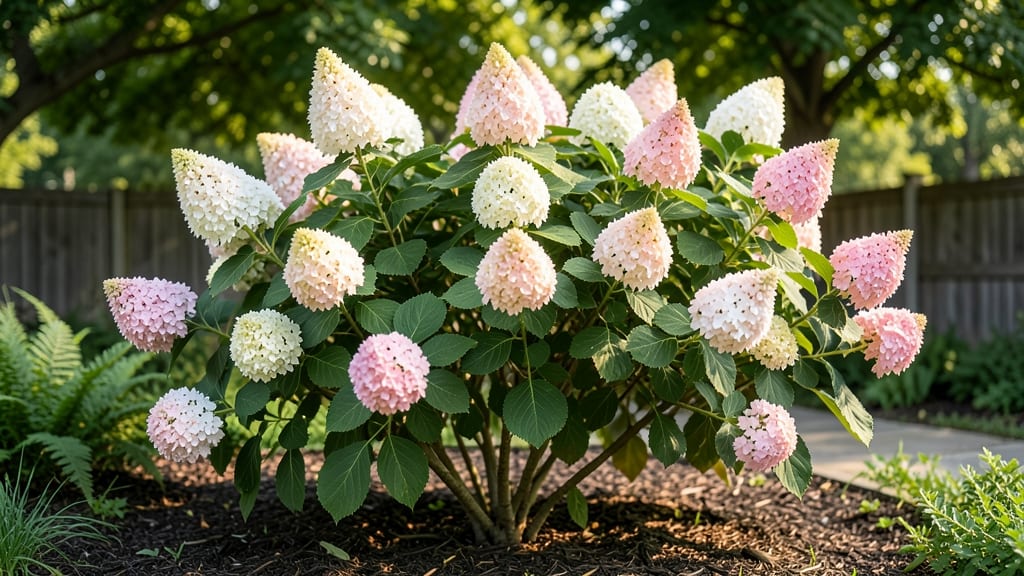
A panicle hydrangea size can transform your garden from cramped to stunning—these shrubs range from 3 feet to towering 12 feet, giving you options for every space.
If you love hydrangeas but struggle with limited garden space, panicle hydrangeas offer the perfect solution—compact yet stunning blooms that thrive in tight spots when pruned correctly. The right variety can fit snugly in a small yard or even a large container, making them a game-changer for urban gardeners.
Understanding their growth habits is key: some varieties grow upright like a small tree, while others spread wider, creating lush layers. Knowing these differences helps you plan where to plant them for maximum impact without overcrowding your garden.
In this guide, I’ll break down the most popular varieties, how to prune for size control, and spacing tips to ensure your panicle hydrangea thrives—no matter how small your space.


Understanding panicle hydrangea size: compact varieties for small gardens
If you're dreaming of hydrangeas but worried about space constraints, panicle hydrangeas are your perfect match. These varieties offer compact growth habits while delivering bold, long-lasting blooms that thrive in tight garden spots.
The key to success lies in choosing the right dwarf or semi-dwarf varieties that won't outgrow your landscape.
Most standard panicle hydrangeas reach 6-12 feet tall, making them unsuitable for small gardens. However, modern breeding has created miniature versions that mature between 3-5 feet.
These compact varieties maintain the same vibrant colors and late-season blooms while requiring far less space. Let's explore the best options for your limited garden.
The 'Little Lime' variety stands out as the most compact option, perfect for container gardening or tight urban spaces. Its 3-4 foot mature height makes it ideal for patio planters or as a focal point in small garden beds.
When planting, maintain 3-4 feet of spacing between plants to ensure proper airflow and prevent disease.
For those who prefer bold red blooms, 'Quick Fire' offers a striking option that reaches 4-5 feet tall. This variety works beautifully as a border plant or when grouped in odd-numbered clusters for visual impact. The 4-5 foot spacing allows room for its arching branches to develop fully.
If you're drawn to classic white hydrangeas, the 'Limelight Compact' version delivers all the elegance of the original but in a more manageable size. With a 4-5 foot mature height, it serves as an excellent foundation plant for small gardens.
Space these 4-5 feet apart to create a neat, structured hedge or specimen planting.
When planning your small garden layout, consider pairing these compact varieties with other low-growing perennials like heuchera or coral bells. The 3-5 foot height range of these hydrangeas allows them to anchor garden beds without overwhelming smaller plants.
Always plant with the mature size in mind to avoid future crowding issues.
One common mistake is underestimating the spread of these shrubs. While their height may fit your space, their wider growth habit can quickly fill available room. For example, a 'Little Lime' planted in a 5-gallon container will still need 3 feet of clearance on all sides for proper development.
For container gardening, choose varieties like 'Little Lime' or 'Little Quick Fire' and select pots that are at least 18-24 inches wide to accommodate their root systems. Use a high-quality potting mix with good drainage and fertil
Pruning secrets to control panicle hydrangea size and boost blooms
Panicle hydrangeas are one of the most versatile shrubs for small gardens, but their size can quickly become unmanageable without proper pruning techniques. The key to keeping them compact while maximizing blooms lies in understanding when and how to prune.
Unlike mophead hydrangeas, panicle varieties bloom on new wood, meaning aggressive pruning won't sacrifice next year's flowers. Let's dive into my proven method for controlling size while encouraging lush, full growth.
Timing is everything with panicle hydrangeas. I always recommend pruning in late winter or early spring, just as new growth begins. This gives your plant plenty of time to establish strong stems before summer heat arrives.
Avoid pruning in fall or winter, as this can expose tender stems to frost damage. If you missed the window, you can do a light shaping trim in late spring, but avoid heavy cuts after June 1st to protect developing flower buds.
- 1 Assess your plant's structure by removing any dead or crossing branches. Use clean, sharp pruners to make cuts at a 45-degree angle, about 1/4 inch above a leaf node or outward-facing bud.
- 2 Determine your size goal. For compact growth, aim to reduce last year's stems by 1/3 to 1/2. For example, if your plant reached 6 feet, cut back to 3-4 feet to maintain a manageable height while encouraging bushier growth.
- 3 Make strategic cuts just above a leaf node or bud that faces outward. This encourages growth in all directions, creating a fuller shrub. Avoid cutting into old wood (gray/brown stems) as these won't produce new growth.
- 4 Shape for airflow by thinning out dense areas. Remove branches growing inward to prevent disease and pests while maintaining an open, airy structure. This also makes future pruning easier.
- 5 Fertilize lightly after pruning with a balanced 10-10-10 fertilizer to support new growth. Water deeply to help the plant recover and establish new roots before summer heat arrives.
One common mistake I see is over-pruning panicle hydrangeas, which can actually reduce flower production. Remember, these beauties bloom on new wood, so you can be more aggressive than with mophead varieties.
For dwarf varieties like 'Little Lime' (3-4 feet tall), you might only need to remove 10-15% of growth each year to maintain size. For larger varieties like 'Limelight' (6-8 feet), aim for 20-30% reduction annually.
To encourage even fuller growth, I recommend pruning in stages if your plant is particularly overgrown. Start with the largest branches first, then move to smaller ones. This prevents shock to the plant and gives you better control over the final shape.
After pruning, step back and admire your work—you'll notice how much more air and light can now reach the center of the plant, which promotes healthier growth.
Consistency is key with panicle hydrangea pruning. If you prune annually following these steps, you'll maintain a manageable size while enjoying abundant blooms from early summer through fall. The best part? These flowers dry beautifully, so you can even bring some indoors for winter arrangements.
With proper pruning, your panicle hydrangea will become the star of your garden without taking over your space. 🌿✂️🌸