
Aphids
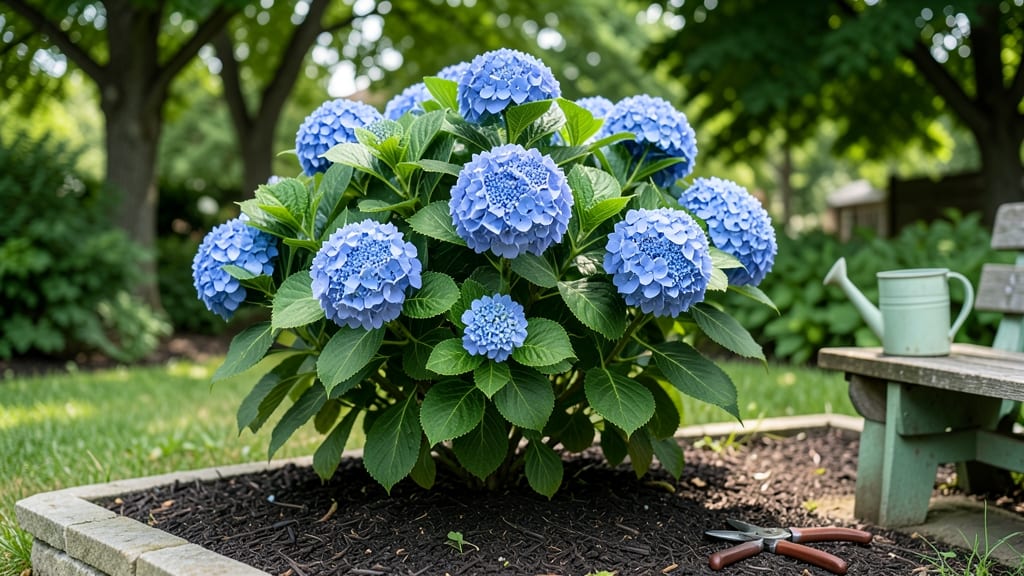
Growing the Hydrangea Big Daddy is like training a compact, blooming giant—its massive 8-inch blooms make it a showstopper without taking over your garden. 🌸 I’ve grown this variety for years, and its pole-trained habit means you can grow it in tight spaces, against fences, or even in containers with the right support.
The key is patience: these beauties start small but pack a punch in late summer when their flower heads explode with color.
This hydrangea thrives in partial shade—morning sun and afternoon shade work best—and loves rich, moist soil with good drainage. Unlike other varieties, Big Daddy stays compact (6-8 feet tall) but produces blooms so large they look like they belong on a much bigger plant.
The secret? Consistent watering (about 1 inch per week) and a balanced fertilizer in early spring to fuel those monster blooms.
Pruning is where the magic happens: trim back old wood in late winter to encourage new growth, and deadhead spent blooms in early fall to keep the plant focused on next year’s display.
With the right care, you’ll end up with a year-round visual—even the dried blooms add winter interest. The best part? No need for a sprawling garden—this variety fits almost anywhere.
Watch out for aphids (they love new growth) and powdery mildew in humid climates—keep foliage dry and spray with neem oil if needed. Once established, Big Daddy thrives with minimal fuss, making it the perfect choice for gardeners who want drama without the space.
Ready to grow your own blooming powerhouse?
📚 In This Guide
- What you need
- Instructions
- Tips and common mistakes
- Wrapping up and next steps
What you need
- ● Hydrangea Big Daddy Plant: 1 healthy nursery-grown plant (check for vibrant green leaves and sturdy stems).
- ● Pole/Trellis: 1 sturdy 6–8 ft tall bamboo, metal, or wooden pole (diameter: 2–3 inches).
- ● Garden Soil: 1 bag of well-draining, acidic soil mix (pH 5.2–6.2) or 1 cubic yard of amended native soil (add peat moss or pine bark for acidity).
- ○ Container (Optional): 1 large pot (15–20 gallons) with drainage holes if growing in containers.
- ● Fertilizer: 1 balanced, slow-release fertilizer (10-10-10) or acidic hydrangea-specific food.
- ● Mulch: 2–3 inches of wood chips or pine straw to retain moisture.
- ● Pruning Shears: 1 sharp pair for training and maintenance.
- ● Soft Plant Ties: 2–3 flexible garden ties or Velcro straps (avoid wire—it can damage stems!).
- ● Watering Can/Hose: 1 with a gentle spray nozzle for hydration.
- ○ pH Test Kit: 1 to monitor soil acidity (optional but helpful!).
- ● Epsom salt (for magnesium boosts).
- ● Slow-release plant food spikes.
- ● A sunny spot with partial shade (morning sun + afternoon shade works best).
- ● Decorative stakes or lattice for a polished look.
Step-by-Step guide to pole-training hydrangea 'Big Daddy'
This compact, high-bloom hydrangea thrives when trained on a sturdy support—here’s how to coax its dramatic blooms upward without sacrificing garden space.
🌱 Step 1: Select and Prepare the Planting Site
Choose a location with morning sun and afternoon shade—'Big Daddy' tolerates heat better than full sun but needs protection from late-afternoon rays. Amend the soil with 2-3 inches of compost to improve drainage, as this variety dislikes soggy roots. I dig a hole twice as wide as the root ball but only as deep—planting too low suffocates roots and invites rot.
Test the soil pH with a kit—hydrangeas prefer 5.5-6.2 for blue blooms or 6.5-7.5 for pink. If your soil is neutral, add sulfur to lower pH or lime to raise it. Mulch with 2-3 inches of wood chips around the base, keeping it 6 inches away from the stem to prevent moisture buildup that causes crown rot.
☀️ Step 2: Install the Support Structure
'Big Daddy' grows 4-5 feet tall but stays bushy—use a 5-foot bamboo stake or metal trellis for support. Drive the stake 6 inches deep into the soil at planting, positioning it 3-4 inches from the main stem. If using a trellis, attach it 12 inches behind the plant to avoid blocking light.
Secure the hydrangea with soft plant ties (never wire or zip ties—they cut into stems). Loop the tie around the stake first, then the stem, leaving 1 inch of slack to allow growth. Check ties monthly and loosen as the stem thickens. This prevents girdling and keeps the plant flexible enough to sway in wind without snapping.
🌿 Step 3: Train and Prune for Vertical Growth
Prune in early spring before new growth appears. Cut back last year’s stems by ⅓, focusing on overcrowded or weak branches. For pole training, select 3-4 strongest vertical stems and tie them to the support. Remove any competing suckers at the base—these drain energy from your blooms.
As the season progresses, guide new growth upward by tying stems to the stake every 6-8 inches. Pinch back new shoots that grow horizontally to encourage upward energy. You’ll see bold, upward-facing blooms by midsummer—this is your cue that the training is working. Deadhead spent flowers in late summer to redirect nutrients to next year’s buds.
💧 Step 4: Water and Fertilize for Maximum Blooms
Water deeply once a week, soaking the soil to 12 inches deep. 'Big Daddy' thrives with consistent moisture but wilts if left dry. Check soil with your finger—if the top 2 inches feel dry, it’s time to water. Avoid overhead sprinkling, which promotes fungal diseases like powdery mildew. Instead, use a soaker hose at the base.
Fertilize in early spring and mid-summer with a balanced 10-10-10 formula. Apply ½ cup per plant at each feeding, working it into the top 2 inches of soil. For bigger blooms, switch to a high-phosphorus (5-10-5) fertilizer in late spring. Stop fertilizing by mid-August to harden off new growth before winter.
✂️ Step 5: Winterize and Prepare for Next Year
In late fall, cut back dead stems to 6 inches above the ground. Wrap the base with burlap or frost cloth if your winters drop below 10°F—this protects the crown from freeze-thaw cycles. Remove any remaining ties and store them in a dry place for next season.
Mulch heavily with 4-6 inches of straw or leaves after the first frost. This insulates roots and prevents soil heaving in freeze-thaw cycles. In early spring, before buds swell, remove the mulch and inspect for pests. If you see aphids or spider mites, treat with neem oil—this variety is prone to sap-sucking insects when stressed.
Tips & tricks for pole-training hydrangea 'Big Daddy'
Transforming your 'Big Daddy' hydrangea into a vertical showstopper takes patience—and these pro tips will help you avoid common pitfalls while maximizing those showy blooms.
Soil Prep Secret: When amending your soil with 2-3 inches of compost in Step 1, mix in a handful of hydrangea-specific fertilizer (like Holly-Tone) at planting. This gives your 'Big Daddy' an instant nutrient boost that supports its dramatic growth from day one. The key is to blend it thoroughly—don't just top-dress, or you risk burning tender roots. I swear by this step after seeing plants struggle with slow starts in amended soil alone.
Stake Placement Strategy: For Step 2, position your 5-foot stake 3-4 inches from the main stem but slightly to the side of where you anticipate the plant's natural lean. 'Big Daddy' often grows toward morning sun—placing the stake accordingly prevents awkward angles as it matures. Pro tip: Use a second stake on the opposite side if your plant leans significantly, creating a "V" support system that mimics natural wind resistance.
Pruning Precision: In Step 3, when cutting back last year's stems by ⅓, make your cuts at a 45-degree angle just above a leaf node or bud. This angled cut helps water run off and prevents rot. For the strongest vertical stems, prioritize ones with thick, green bark—these are the ones that'll handle the weight of those massive blooms. I've learned this the hard way after watching weaker stems snap under summer blooms!
Winter Protection Hack: For Step 5's winter prep, if you're in a zone with temperatures dipping below 10°F, create a mini windbreak around your plant using a clear plastic milk jug (cut in half lengthwise) placed over the crown. This traps heat while still allowing light and air circulation. Remove it on warm days to prevent overheating—your plant will thank you with vigorous spring growth.
Pro Tips for Hydrangea Big Daddy
- Transforming your 'Big Daddy' hydrangea into a vertical showstopper takes patience—and these pro tips will help you avoid common pitfalls while maximizing those showy blooms.
- Soil Prep Secret: When amending your soil with 2-3 inches of compost in Step 1, mix in a handful of hydrangea-specific fertilizer (like Holly-Tone) at planting.
- Stake Placement Strategy: For Step 2, position your 5-foot stake 3-4 inches from the main stem but slightly to the side of where you anticipate the plant's natural lean.
Frequently asked questions
How fast does the Hydrangea 'Big Daddy' grow?
The Hydrangea 'Big Daddy' grows at a moderate pace—expect 12–24 inches per year under ideal conditions. With proper pruning and support, it can reach 8–10 feet tall in 3–5 years. Patience is key, but its rapid vertical growth makes it perfect for small spaces!
When is the best time to plant or transplant 'Big Daddy' hydrangeas?
Plant or transplant Hydrangea 'Big Daddy' in early spring or fall when temperatures are mild (50–70°F). Avoid extreme heat or frost, as roots need time to establish. Pro tip: Water deeply after planting and mulch to retain moisture!
Can I grow 'Big Daddy' in containers? How?
Yes! This hydrangea thrives in large containers (15+ gallons) with well-draining soil. Use a trellis or stake for support and repot every 2–3 years. Ensure it gets morning sun and afternoon shade to prevent stress. Bonus: Container-grown plants bloom earlier!
What pests or diseases should I watch for with 'Big Daddy'?
Common issues include aphids, powdery mildew, and scale insects. Treat aphids with neem oil or insecticidal soap. For mildew, improve airflow and avoid overhead watering. Prune infected stems immediately to prevent spread. Tip: Regular inspections keep pests in check!
How do I change the flower color of 'Big Daddy'?
While 'Big Daddy' typically blooms in blue or pink, you can influence color by adjusting soil pH: Add lime (raise pH) for blue, or sulfur (lower pH) for pink. Test soil every 2–3 years for best results. Note: Color shifts may take 1–2 seasons to show!
Wrapping up and next steps
Growing Hydrangea Big Daddy is a rewarding way to add bold color and structure to even the smallest garden! This compact, pole-trained beauty thrives with the right care—whether you’re pruning for shape, protecting against pests like aphids, or ensuring proper sunlight and soil.
With patience and attention, you’ll enjoy stunning blooms year after year.
Ready to transform your space? Start by planting your Big Daddy hydrangea this season, then monitor its progress with love and a watchful eye. Happy gardening—your future floral masterpiece awaits! 🌸✨