
Orchid Care
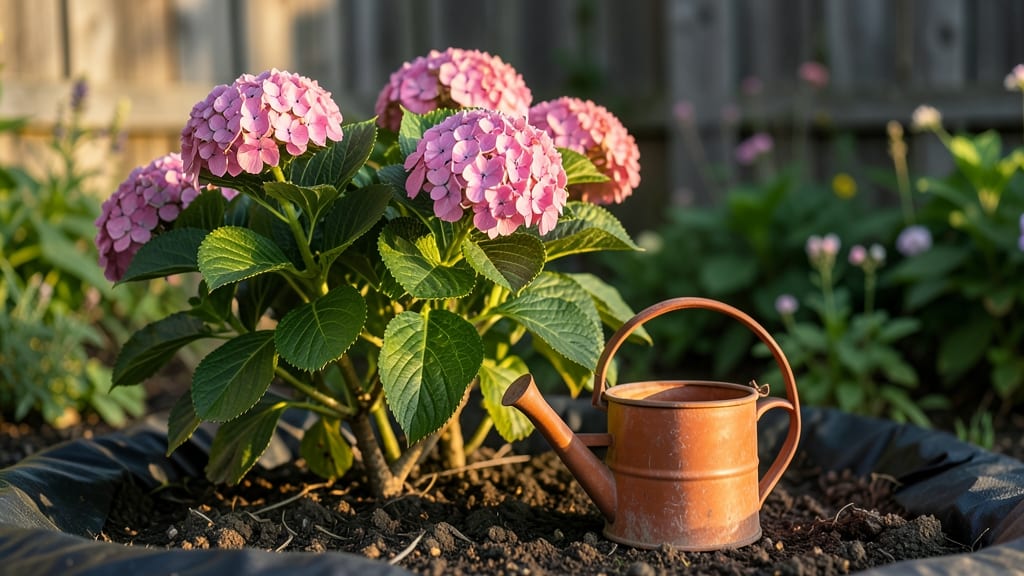
To grow Summer Crush hydrangeas with bold, long-lasting blooms, you’ll need to master the balance between sun and shade—because too much of either can turn your dream shrub into a leafy disappointment.
Picture this: your 🌸 Summer Crush thrives in a spot where morning sunlight warms its leaves just enough, then retreats before the afternoon heat turns them crispy. That’s the sweet spot for this variety, but most gardeners either overthink it or guess wrong—leading to faded blooms or sad, leggy growth.
Here’s the secret: partial shade (think dappled light or filtered sun) is ideal, but even a few hours of morning sun can work if you adjust watering and mulching.
I’ll break down exactly how to read your plant’s signals—yellowing leaves, sparse blooms, or leaf scorch—and what to do when your garden’s microclimate throws a curveball.
By the end, you’ll know whether your patio, garden bed, or container setup is a match for these showstoppers—and how to tweak care for peak blooms year after year, no matter where you live in zone 6a.

Where to plant Summer Crush hydrangeas: sun vs shade requirements
Your Summer Crush hydrangea thrives on partial shade, but the exact balance depends on your garden’s microclimate. Unlike sun-loving varieties, these hydrangeas need protection from hot afternoon sun, which can scorch leaves and reduce blooms.
Think of it as a morning sun ritual—just enough to wake up the plant, then shade to keep it cool.
In my zone 6a garden, I’ve found that planting near a west-facing wall or under dappled shade trees works best. The key is avoiding direct midday sun, which can turn those lush lavender blooms into crispy brown edges.
Even just 3-4 hours of morning sun can work if you pair it with consistent moisture and mulch.
Here’s the catch: Too little light leads to sparse, weak blooms, while too much sun causes leaf burn. The ideal spot gives 4-6 hours of filtered light daily, like under a light canopy tree or on a north-facing patio.
But don’t stress—Summer Crush is more forgiving than other hydrangeas, making it perfect for beginner gardeners who want drama without fuss.
Pro Tip: If your garden only offers full sun, try planting in a large container where you can move it to shade during peak heat hours. This flexibility is a game-changer for small spaces or urban balconies.
Now, let’s talk about adapting to your garden’s quirks. If your yard has hot, dry afternoons, prioritize afternoon shade—even if it means sacrificing some morning sun.
Use light-colored mulch to reflect heat and keep roots cool. For humid climates, focus on airflow by spacing plants 3-4 feet apart to prevent fungal issues.
In containers, Summer Crush hydrangeas need more frequent watering because pots dry out faster. Choose a 15-20 gallon container with drainage holes and place it where it gets morning sun and afternoon shade.
Pro tip: Move containers to a shadier spot by 1 PM during heatwaves to protect delicate leaves.
For urban gardeners with limited space, consider planting near a west-facing window where it gets 3-4 hours of indirect light. Pair it with a reflective surface (like a white wall) to maximize light without direct sun. This setup works surprisingly well for balcony gardens in cities.
One common mistake I see is assuming "shade" means no sun at all. Summer Crush hydrangeas still need some light to bloom—just not the harsh kind.
If your garden is deeply shaded (like under dense evergreens), supplement with a grow light for 2-3 hours daily during spring and summer to encourage flowering.
Finally, remember that microclimates matter. The spot near your house might be sunnier than the one across the yard. Test your garden’s light by placing a white board in potential spots for a week.
If it’s warm but not scorching by midday, it’s likely a good fit for your hydrangea.
With the right light balance, your Summer Crush hydrangea will reward you with showstopping blooms from early summer until frost. Start with partial shade, adjust based on leaf signals, and don’t fear experimenting—even a sunny container can work with the right care! 🌸
3 Signs your Summer Crush hydrangea needs more (or less) sunlight
Your Summer Crush hydrangea is sending you signals—if you know what to look for. The most common mistake I see? Ignoring subtle changes in leaf color or bloom quality until it’s too late.
These three key signs will tell you whether your plant is begging for more shade or craving a few extra hours of morning sun.
First, watch for leaf scorch—crispy, brown edges on leaves exposed to harsh afternoon sun. This happens when sunlight intensifies in summer, drying out leaves faster than roots can hydrate them. Even if your hydrangea loves partial shade, intense midday rays can turn its foliage into brittle paper within weeks.
⚠️ callout warning
Next, check for sparse or stunted blooms. If your hydrangea produces only a few flowers instead of lush clusters, it might be getting too much shade. These plants need at least 4-6 hours of filtered light daily to set buds. A spot under dense tree canopy with no direct rays could leave your hydrangea bloom-starved.
Yellowing leaves—especially on older foliage—often mean your hydrangea is overwatered or lacking sunlight. Unlike nutrient deficiencies (which show as yellow between veins), light-related yellowing starts at the leaf edges and spreads inward.
This is your plant’s way of saying, "I need more light to process water efficiently."
For seasonal adjustments, remember that summer heat changes everything. In June and July, increase watering to every 2-3 days if your hydrangea gets morning sun, but reduce to every 4-5 days if it’s in shade.
Mulch with 2-3 inches of organic matter (like shredded bark) to keep roots cool and moist.
Pro tip: Move potted Summer Crush hydrangeas to a shadier spot by late afternoon during heatwaves. Even a few hours of relief can prevent stress. And if you’re still unsure?
Test your spot: Hold a white sheet of paper in the garden at noon. If it’s too bright to read comfortably, your hydrangea needs more shade.