
Blooming
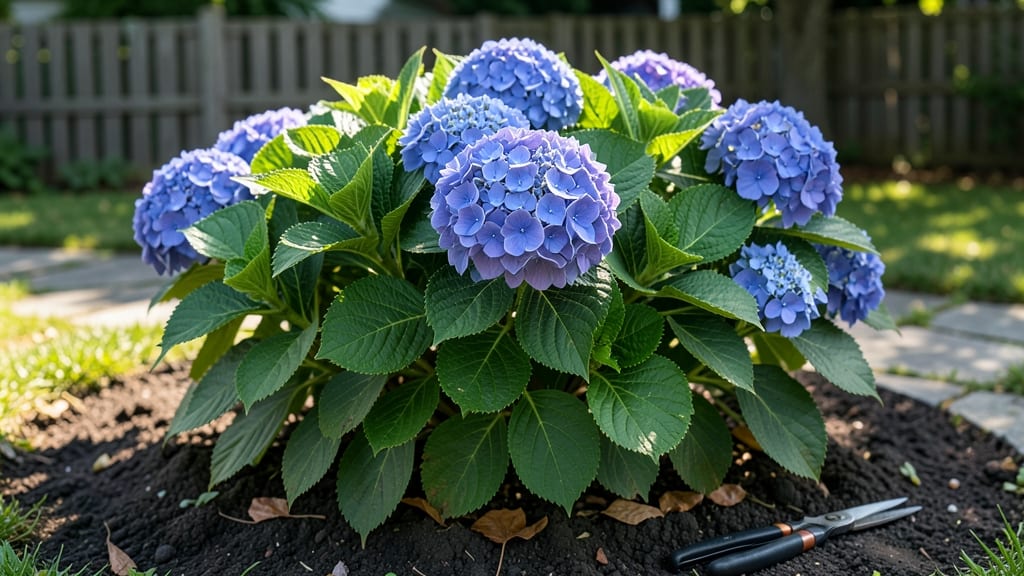
Bigleaf hydrangeas bloom in late spring to summer 🌸, but the exact timing depends on your USDA zone, variety, and last winter’s chill hours.
If you’ve ever wondered why your bigleaf hydrangea’s buds seem to vanish overnight—or bloom at the wrong time—your climate zone might be the culprit. Understanding their seasonal rhythm is key to unlocking vibrant blooms year after year.
In USDA Zone 6a, like most of the Midwest, blooms typically appear in June or July, but cooler zones may see them as late as August. Varieties like ‘Endless Summer’ often flower twice—once in early summer and again in fall—if given the right care.
Below, I’ll break down how to predict your plant’s bloom time, adjust care for your zone, and troubleshoot common delays so you can enjoy those show-stopping blooms every season.
Bigleaf hydrangea bloom timeline by USDA climate zones
Bigleaf hydrangeas (Hydrangea macrophylla) are famous for their stunning summer-to-fall blooms, but their timing varies wildly depending on your USDA hardiness zone. In colder zones like 3-5, buds form late in the season, while warmer zones 7-10 often see early spring blooms.
Understanding these patterns helps you adjust care to maximize flower production.
Most bigleaf hydrangeas bloom on old wood (last year's growth), meaning they need proper winter chilling to trigger buds. However, reblooming varieties like 'Endless Summer' produce flowers on both old and new wood, extending their season.
Your zone determines whether you'll see one flush of blooms or two seasonal displays.
Here’s how temperature shifts influence blooming: In zones 3-6, cold winters signal buds to form in late summer/fall, with blooms appearing late spring to early summer. In zones 7-10, milder winters can delay bud formation until early spring, with blooms lasting through summer.
Heatwaves can also stress buds, causing them to drop prematurely.
| USDA Zone | Typical Bloom Time | Bud Formation Window | Care Adjustments |
|---|---|---|---|
| 3-4 | Late June - August | Late July - August (after frost) | Prune in late summer; mulch heavily for winter |
| 5-6 | June - July | August - September | Fertilize in early spring; avoid late pruning |
| 7-8 | May - June | March - April | Prune rebloomers in spring; provide afternoon shade |
| 9-10 | April - May | January - February | Water deeply in winter to prevent bud drop |
Note: Reblooming varieties may have two bloom cycles—spring and fall.
In zones 3-6, where winters are harsh, bigleaf hydrangeas often bloom later in the season (June-August) because they need full winter chilling (300-600 hours below 45°F). If you’re in zone 5 and notice buds forming in August, expect blooms by mid-July the following year.
To encourage this, avoid heavy pruning until after blooming.
Warmer zones (7-10) experience earlier blooms because milder winters don’t provide enough chilling. In zone 9, for example, buds may form as early as January, with blooms appearing by April.
However, heatwaves can cause buds to abort before opening. To mitigate this, provide afternoon shade during peak summer months.
For reblooming varieties like 'Endless Summer' or 'Little Lime', you’ll see two bloom cycles: one on old wood (spring) and one on new wood (fall). In zone 6, the first flush appears in June, while the second blooms in September.
Prune these varieties right after the first bloom to encourage the second flush. In zones 8-10, the second bloom may not form if temperatures stay too warm.
Adjusting your care based on your zone can make a huge difference. In cold zones (3-5), focus on winter protection—mulch heavily and avoid pruning until late summer. In warm zones (7-10), prioritize consistent moisture and afternoon shade to prevent bud drop.
For all zones, fertilize in early spring with a balanced 10-10-10 formula to support bud formation.
If your bigleaf hydrangea blooms late or not at all, it might be due to improper chilling or over-pruning. In zone 6, for instance, if you prune in late winter, you’ll remove next year’s buds.
Instead, prune right after blooming to allow new growth for fall blooms on rebloomers. In zone 9, lack of winter chilling can cause buds to form but fail to open—try moving the plant to a cooler microclimate for bud formation.
Pro tip: Track your hydrangea’s bloom time for 3 years to spot patterns. If blooms shift earlier or later each
How to predict your bigleaf hydrangea’s bloom time this year
Predicting when your bigleaf hydrangea will bloom isn’t just guesswork—it’s a mix of science and observation. By tracking last year’s growth, your USDA zone, and spring temperature trends, you can forecast bloom time with surprising accuracy.
For example, if your plant bloomed in late May last year in Zone 6, it’ll likely follow a similar pattern unless winter chilling hours or spring warmth shift.
Start by checking your winter chilling hours—most bigleaf hydrangeas need 500-700 hours below 45°F to set buds properly. If your area had a mild winter, expect blooms to arrive 2-3 weeks later than usual. Conversely, a cold snap can push blooms earlier in the season.
- 1. Track last year’s bloom date – Note the exact week your hydrangea bloomed to compare with this year.
- 2. Monitor winter chilling – Use a weather station or local data to confirm if your area met the 500-700 hour threshold.
- 3. Observe spring warmth – Blooms typically appear 4-6 weeks after last frost in most zones.
- 4. Adjust pruning timing – Prune late winter/early spring (after buds form) for old wood bloomers like 'Nikko Blue'.
- 5. Fertilize strategically – Apply balanced fertilizer (10-10-10) in early spring to boost bud development.
- 6. Water deeply in spring – Aim for 1-2 gallons per week to support new growth and bud formation.
Your hydrangea’s variety also plays a role. 'Endless Summer' blooms on both old and new wood, so it’s more forgiving if you prune late. Traditional varieties like 'Annabelle' rely on old wood, meaning pruning too early can mean no blooms that season.
If you pruned last year, expect blooms to arrive 1-2 weeks later as the plant focuses on regrowth.
Pay attention to spring temperature spikes. If your area experiences an unusually warm April, your hydrangea might bloom earlier—but watch for bud blast if a late frost hits. To mitigate risks, mulch around the base in early spring to insulate roots and encourage steady growth.
A 3-inch layer of mulch also helps retain moisture, which is critical during bud development.
Finally, use a bloom forecast checklist to stay on track. Mark your calendar for 4-6 weeks after last frost as your predicted bloom window. If buds appear small or sparse, consider a light fertilizer application or adjust your watering schedule to deep, infrequent soakings every 7-10 days.
Consistency is key—hydrangeas hate drought stress or overwatering during critical growth phases.
With these tips, you’ll not only predict bloom time but also maximize flower production and enjoy your hydrangea’s showstopper display right on schedule. Happy gardening! 🌷