
Diseases
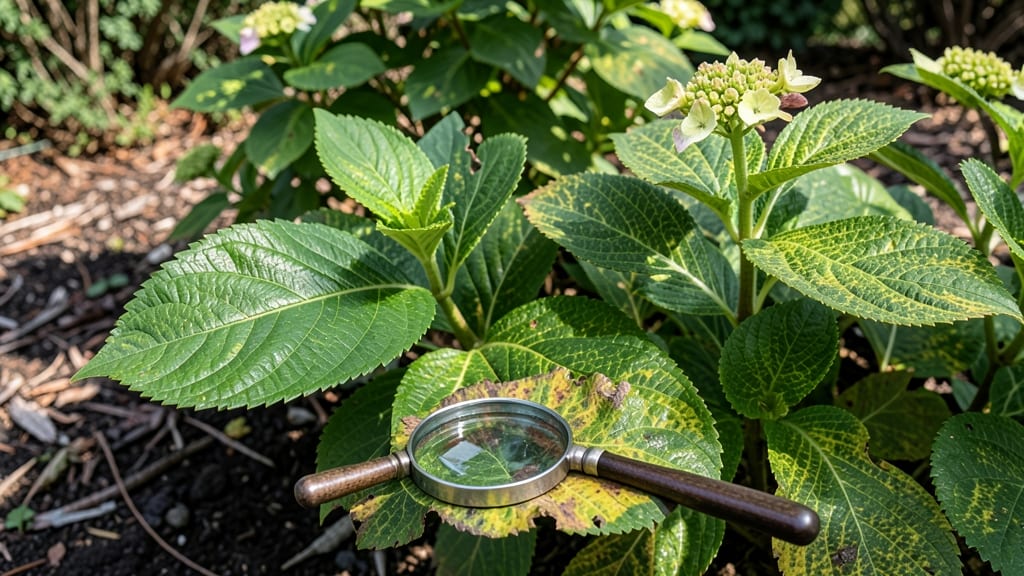
Your hydrangeas’ once-lush leaves now look like abstract art—yellow-green splotches, stunted growth, and flowers that refuse to open. 🌿 That’s hydrangea chlorotic mottle virus (HCMV), and it’s more common than gardeners realize.
I’ve seen it ruin prized shrubs in just one season, but there are ways to fight back—starting with knowing what to look for and when to cut your losses.
The virus spreads through infected plant material, aphids, or even contaminated tools. There’s no cure—once a hydrangea has HCMV, it’s a lost cause—but you can save your garden by removing infected plants immediately and disinfecting everything that touched them.
Resistant varieties like ‘Endless Summer’ or ‘Limelight’ won’t get it, but even those need protection from aphids, which carry the virus like tiny disease couriers.
Your best defense is prevention: test new plants before bringing them home, isolate any suspicious foliage, and keep your garden clean. If you catch it early, you might salvage nearby shrubs by pruning out infected stems and treating for aphids.
The goal isn’t to save the infected plant—it’s to stop the spread before your whole hydrangea collection turns into a yellow-green disaster zone.
Here’s the hard truth: HCMV is manageable, not hopeless. With the right steps, you can protect your garden’s beauty—and keep those blooms vibrant for years to come. Let’s get your hydrangeas back on track.
Root Causes Of Plant Viruses
When it comes to hydrangea chlorotic mottle virus (HCMV), understanding its origins is key to preventing and managing outbreaks. Unlike fungal or bacterial infections, viruses spread differently—and often more aggressively—because they rely on living hosts to replicate.
Here’s a breakdown of the primary reasons this virus takes hold in hydrangeas, along with the science behind each trigger.
The most common way HCMV infects hydrangeas is through aphids, tiny sap-sucking insects that act as viral carriers. Here’s how it works:
- Mechanical transmission: Aphids feed on infected plants, pick up the virus in their saliva, and then transmit it to healthy hydrangeas while feeding. Even a brief feeding session (as little as a few minutes) can spread the virus.
- Non-persistent nature: Unlike some viruses that require aphids to incubate for days, HCMV is non-persistent, meaning it can be transmitted immediately after an aphid feeds on an infected plant.
- High aphid activity seasons: Outbreaks peak during spring and early summer when aphid populations explode. Warm temperatures and new growth make hydrangeas especially vulnerable.
Actionable tip: 💡 Use yellow sticky traps near hydrangeas to monitor aphid activity. If you spot clusters of aphids, treat with neem oil or insecticidal soap to disrupt their life cycle before they spread the virus.
Viruses don’t just spread through insects—they can also hitch a ride on human activity. HCMV is not airborne, but it can survive on tools, gloves, and even your hands if you move from an infected plant to a healthy one.
- Pruning shears and knives: If you trim an infected hydrangea and then use the same tools on a healthy plant, viral particles on the blade can enter fresh wounds.
- Grafting or propagation: Taking cuttings from an infected plant and grafting them onto a healthy one will always transfer the virus.
- Soil and mulch contamination: While less common, virus particles can linger in soil or compost if infected plant debris is left behind.
Actionable tip: ✨ Sanitize tools between plants with a 10% bleach solution (1 part bleach to 9 parts water) or 70% rubbing alcohol. Never reuse gloves or cloths without washing them in hot, soapy water.
Healthy hydrangeas are far less likely to show severe symptoms of HCMV because their immune systems can tolerate the virus to some degree. However, when plants are stressed, the virus thrives—and symptoms worsen. Common stressors include:
- Poor nutrition: Deficiencies in nitrogen, phosphorus, or micronutrients (like magnesium or iron) weaken cell walls, making it easier for the virus to spread internally.
- Water stress: Both overwatering (leading to root rot) and drought (causing wilting) disrupt the plant’s ability to fight infections.
- Physical damage: Broken branches, insect bites, or even harsh pruning create entry points for the virus.
- Competition from weeds: Hydrangeas struggling for sunlight, water, or nutrients become prime targets for viral infections.
Actionable tip: 🌡️ Boost plant resilience with:
- A balanced fertilizer (10-10-10 or organic options like compost tea).
- Mulching to retain moisture and regulate soil temperature.
- Avoiding pruning during peak aphid season (late spring to early summer).
Viruses like HCMV don’t cause problems in a vacuum—they exploit environmental conditions that favor their spread. Key factors include:
| Factor | How It Helps the Virus | Mitigation Strategy |
|---|---|---|
| High humidity | Aphids thrive in damp conditions, increasing transmission rates. | Improve airflow with spaced planting and avoid overcrowding. |
| Warm temperatures (60–80°F) | Optimal for aphid reproduction and viral replication. | Use shade cloth in hot climates to reduce stress. |
| Poor drainage | Weakens roots, making plants more susceptible to secondary infections. | Amend soil with perlite or sand to improve drainage. |
Actionable tip: 🎯 Monitor microclimates in your garden. If certain areas stay consistently damp or hot, hydrangeas there are at higher risk—consider relocating them or adjusting care routines.
Stopping Viral Spread Fast
Once you’ve identified the hydrangea chlorotic mottle virus (HCMV) in your plants, act quickly to prevent it from spreading to other hydrangeas—and your entire garden. Since this virus has no cure, your focus should be on removing infected plants, sterilizing tools, and strengthening healthy plants to minimize damage.
Below, we break down the best solutions based on the root causes of infection, along with proactive prevention tips to keep your garden safe.
If your hydrangeas show yellow mottling, stunted growth, or distorted leaves, they’re likely infected. The virus spreads easily through sap, pruning tools, and even contaminated soil. Do not compost infected plants—this can spread the virus further. Instead:
- 🔪 Dig up and destroy infected hydrangeas, including roots. Bag them and dispose of them in the trash (not green waste).
- 🚫 Avoid burning infected plant material—this can release viral particles into the air.
- 🌱 Replace with virus-free plants from reputable nurseries (ask for HCMV-tested stock).
The virus can linger on pruners, gloves, and even garden benches. Always sterilize anything that comes into contact with infected plants:
- 🧴 Use 70% isopropyl alcohol or a 10% bleach solution (1 part bleach to 9 parts water) to wipe down tools after each use.
- 🌿 Disinfect garden tools with a 3% hydrogen peroxide spray before and after pruning healthy plants.
- ⏰ Let tools air-dry in the sun—UV light can help kill lingering pathogens.
Even if your plants aren’t infected yet, boost their resilience to reduce susceptibility. A healthy plant is less likely to succumb to viral attacks:
- 💧 Water deeply but infrequently—hydrangeas hate soggy roots, which stress plants and make them more vulnerable.
- 🌿 Prune properly—remove only dead or diseased branches after the growing season (late winter/early spring).
- 🍄 Avoid over-fertilizing—too much nitrogen promotes lush but weak growth, making plants more prone to infections.
- 🌞 Ensure full sun to partial shade—hydrangeas need balanced light to thrive and resist stress.
Since HCMV spreads via aphids, contaminated tools, and infected plant material, break the cycle with these prevention steps:
| Cause | Solution |
|---|---|
| 🐜 Aphids & Sap-Sucking Pests | Spray plants with neem oil or insecticidal soap weekly during peak aphid season (spring/summer). Introduce ladybugs or lacewings as natural predators. |
| 🔪 Contaminated Pruning Tools | Always sterilize shears between plants, especially when moving from infected to healthy areas. |
| 🌱 Infected Nursery Stock | Buy from certified disease-free nurseries and inspect new plants for symptoms before planting. |
| 🌍 Contaminated Soil | If you suspect soil is infected, remove and replace topsoil or solarize it (cover with clear plastic for 4–6 weeks in summer to kill pathogens). |
Want to keep your hydrangeas virus-free for years? Try these extra precautions:
- 🌡️ Isolate new plants for 2–4 weeks in a quarantine area before introducing them to your garden.
- ✨ Use reflective mulch (like aluminum foil) around hydrangeas to deter aphids.
- 🎯 Rotate plant locations every few years to prevent soil-borne pathogens from building up.
- 📊 Monitor regularly—check undersides of leaves for aphids and early signs of mottling.
While HCMV is devastating, early action can save your garden. Remove infected plants, sterilize tools, and keep your hydrangeas healthy to minimize risks. With these steps, you’ll give your plants the best shot at staying virus-free! 🌿✨
Frequently asked questions
How do I tell if my hydrangea has chlorotic mottle virus?
Look for yellow-green mottled patterns on leaves (like abstract art), stunted growth, and small, distorted leaves. Infected plants may also have fewer flowers or poor color development. Check new growth first—symptoms often appear there before spreading.
Can I save an infected hydrangea?
No, there’s no cure for hydrangea chlorotic mottle virus. Once infected, the plant will continue to decline. Remove it immediately to prevent spread to other plants. Replace with virus-resistant varieties like ‘Endless Summer’ or ‘Limelight’ from certified disease-free nurseries.
How do I prevent aphids from spreading the virus?
Use neem oil or insecticidal soap to control aphids during spring and summer (peak season). Introduce ladybugs or lacewings as natural predators. Also, sterilize tools with 70% rubbing alcohol between plants to avoid mechanical transmission.
Is chlorotic mottle virus contagious to other plants?
Yes, but only to other hydrangeas—it’s host-specific. The virus spreads through aphids, contaminated tools, or infected plant material. Keep hydrangeas isolated from other plants during outbreaks, and never compost infected plants (dispose of them in trash instead).