
Plants
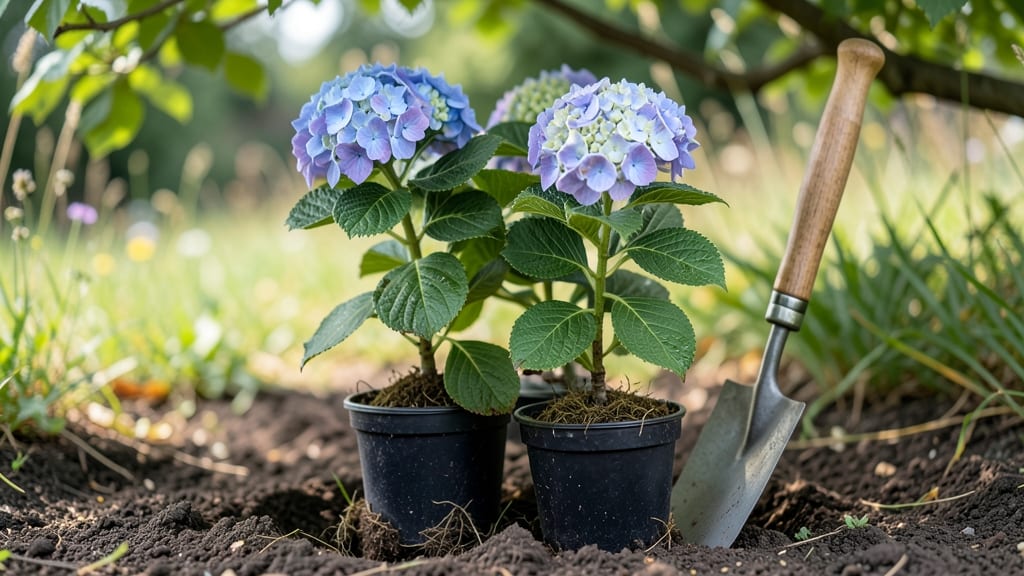
Plant hydrangeas in Alabama between October and November for fall planting or March and April in early spring, when soil is workable but frost risk has passed.
Alabama’s humid subtropical climate may seem tricky for hydrangeas, but timing your planting right can mean the difference between vibrant blooms and struggling shrubs.
In USDA Zones 7b-8a, fall planting gives roots time to establish before summer heat arrives, while spring planting avoids winter stress. Container-grown hydrangeas adapt better to Alabama’s heat than bare-root varieties.
Below, I’ll break down the best months by hydrangea type, soil prep tips for Alabama’s clay-heavy soil, and how to adjust for urban heat islands or rural humidity.
Best planting months for hydrangeas in Alabama’s climate zones 7-8
Alabama’s humid subtropical climate creates unique challenges for hydrangeas, but the key to success lies in timing your planting just right. With USDA Zones 7b-8a, we have two ideal windows: early spring and fall. Each offers distinct advantages depending on your hydrangea variety and local microclimate.
Most gardeners in Alabama prefer fall planting (October-November) because cooler temperatures and consistent rainfall help roots establish before winter. However, early spring (March-April) works well for container-grown plants that need immediate blooming. Let’s break down the best approach for each of Alabama’s primary hydrangea types.
🌸
| Hydrangea Type | Best Planting Window | Why This Timing | Alabama-Specific Tip |
|---|---|---|---|
| Bigleaf (Mophead/Lacecap) | Fall (Oct-Nov) or Early Spring (Mar-Apr) | Establishes roots before summer heat | Mulch heavily after planting to retain moisture |
| Panicle Hydrangea | Late Fall (Nov) or Early Spring (Mar) | More heat-tolerant; benefits from early start | Plant in slightly sunnier spots than bigleaf types |
| Oakleaf Hydrangea | Fall (Oct-Nov) only | Native-like adaptability thrives with winter dormancy | Choose protected microclimates in Zone 7b |
| Smooth Hydrangea | Early Spring (Mar-Apr) | Fast root growth needs warm soil | Avoid planting in low-lying areas prone to frost pockets |
For Zone 7b gardeners (northern Alabama), focus on fall planting (October) to give plants maximum root establishment before potential early winter frosts. In Zone 8a (southern Alabama), you have more flexibility with late fall (November) or even early spring (March) plantings.
Container-grown hydrangeas offer additional planting flexibility—you can plant them throughout the growing season (March-May) as long as you keep them well-watered during Alabama’s intense summer heat. The key is preparing the planting hole with organic matter like compost or aged manure to improve drainage.
One common mistake in Alabama is planting bare-root hydrangeas in summer. The intense heat and low humidity create stress, often leading to transplant shock. If you must plant in summer, choose container-grown specimens with established root balls and provide extra mulch to protect roots.
Remember that Alabama’s clay-heavy soils benefit from amending with sand or pine bark fines before planting. This improves drainage while retaining moisture—critical during our hot, humid summers. For container gardening, use pots with drainage holes and a well-draining potting mix to prevent root rot.
After planting, maintain consistent moisture for the first 6-8 weeks to encourage root growth. In Alabama’s climate, this means deep watering 2-3 times per week during establishment, then tapering to weekly deep waterings once established. Morning watering is ideal to reduce fungal risks from evening humidity.
Pro tip: Mark your planting calendar with these Alabama-specific deadlines:
- Last safe fall planting date: November 15 (before first frost)
- First safe spring planting date: March 1 (after last frost)
- Best blooming window: Plant by April 15 for summer flowers
With the right timing and these Alabama-adapted techniques, your hydrangeas will thrive and reward you with show-stopping blooms from summer through fall. Happy planting! 🌿
How Alabama’s weather affects hydrangea planting success
Alabama’s humid subtropical climate creates unique challenges for hydrangeas, where heat waves and high humidity can stress plants if not managed properly. The key to success lies in understanding how these conditions impact planting timing, soil moisture, and heat tolerance.
Unlike cooler climates, Alabama’s long growing season and variable frost dates require careful planning to ensure your hydrangeas thrive.
In most of Alabama (USDA zones 7b-8a), the last frost date typically falls around mid-March, while the first frost arrives in mid-November. This means you have a 210-day frost-free period, giving you two ideal planting windows: early spring (March-April) and fall (October-November).
However, urban areas like Birmingham may experience earlier heat stress than rural zones, requiring adjustments in your approach.
⚠️ Critical Warning: Alabama Heat & Hydrangeas
Planting hydrangeas in full Alabama sun without afternoon shade can cause leaf scorch and bud drop. Urban areas with heat islands (like Montgomery) may need additional mulching and daily watering during summer. Rural zones with well-draining soil can handle slightly more sun, but partial shade is always safer.
One of the biggest challenges in Alabama is soil moisture retention. The state’s clay-heavy soils in many regions can become waterlogged after heavy rains, while sandy soils drain too quickly. Amending soil with compost or using mulch is essential to maintain consistent moisture levels.
In urban gardens, where pavement increases heat, hydrangeas may need daily watering during summer months to prevent stress.
For panicle hydrangeas, which are more heat-tolerant, you can push planting slightly later into May in rural areas, but bigleaf varieties should never be planted after April 15 to avoid summer heat shock. Oakleaf hydrangeas adapt well to Alabama’s conditions but still require morning sun and afternoon shade to prevent leaf burn.
Always check your specific microclimate—even within a city, north-facing yards stay cooler than south-facing ones.
Another critical factor is humidity management. Alabama’s high humidity can promote fungal diseases like powdery mildew, especially on dense foliage varieties. To combat this, space plants 3-4 feet apart for airflow and avoid overhead watering.
In rural areas with less pollution, hydrangeas may handle humidity better, but urban gardens often require more vigilant care to prevent disease spread.
If you're planting in containers, adjust your timing to late spring (May) when soil temperatures are stable. Potted hydrangeas dry out faster in Alabama’s heat, so choose self-watering containers or monitor moisture daily.
For bare-root plants, fall planting is ideal—the cooler temperatures help roots establish before summer heat arrives. Always water deeply after planting to encourage root growth in Alabama’s hot, dry spells.
Remember, Alabama’s microclimates vary dramatically—what works in cool mountain regions (like the Appalachians) may fail in hotter valleys. Start with smaller varieties like 'Little Lime' or 'Limelight' if you're unsure, as they’re more adaptable.
With the right timing and care, your hydrangeas can thrive even in Alabama’s challenging climate! 🌸