
Pests and Diseases
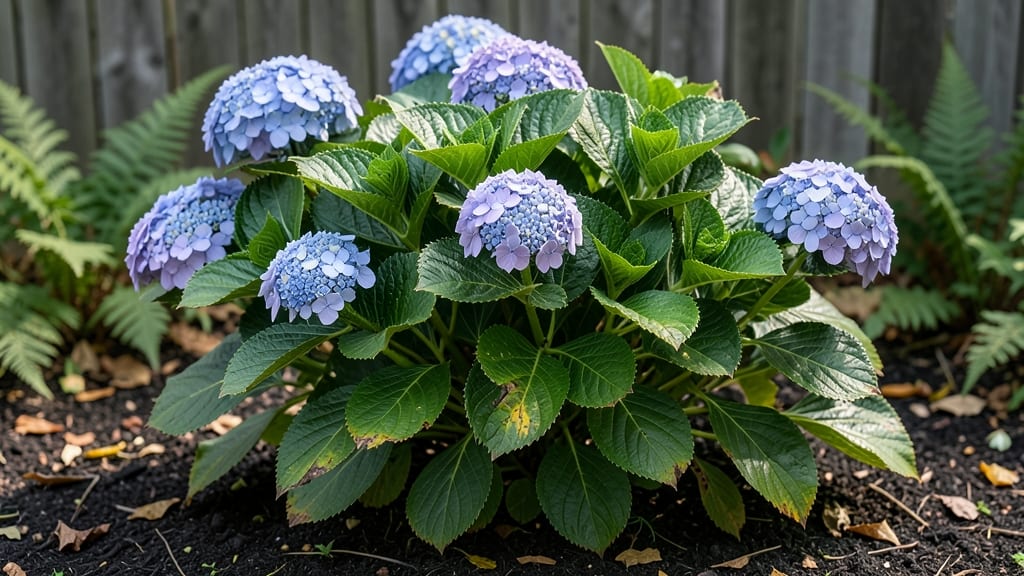
Your hydrangeas' curly leaves aren't just a cosmetic issue—they're a cry for help. 🌿 I've nursed back dozens of plants from this exact problem, and the solution often starts with identifying whether it's fungal blight, pests, or something simpler like wind damage.
The first step is checking for telltale signs: sticky residue (aphids), webbing (spider mites), or dark spots (fungal blight). Overwatering or nutrient deficiencies can also cause curling, but these usually come with yellowing leaves or stunted growth.
Once you pinpoint the cause, the fix is straightforward—whether it's neem oil for pests, proper spacing for airflow, or a balanced fertilizer. By the end of this, your hydrangeas will be unfurling lush, vibrant leaves that make your neighbors green with envy.
The key is acting fast before the problem spreads to other plants. Works for all hydrangea varieties—mopheads, lacecaps, and even those tricky oakleaf types. Let's get those leaves flat and happy again!
Root Causes Behind Leaf Distortion
When your hydrangea’s leaves start curling into tight, wavy edges or puckered shapes, it’s often a sign of stress—whether from unseen invaders, environmental mismatches, or internal struggles. Understanding the why behind curled leaves is the first step to restoring your plant’s health.
Below, we break down the most common culprits, backed by science, so you can diagnose—and fix—the problem with confidence.
Hydrangeas thrive in partial shade, and when exposed to intense, direct sunlight—especially during hot afternoons—their leaves can curl as a protective response. This phenomenon, often called sun scorch, occurs when excess sunlight causes rapid water loss through transpiration, leading to:
- Leaf edges curling upward to reduce surface area and limit water evaporation.
- Yellowing or browning tips (a sign of cellular damage from UV radiation).
- Wilting even when soil is moist, because the plant prioritizes survival over photosynthesis.
Why it happens: Hydrangeas are native to shaded forest floors, where light is diffused. Their thin leaves lack the thick waxy coating of sun-loving plants, making them vulnerable to photoinhibition—when light energy overwhelms the plant’s ability to process it. Without shade, chlorophyll breaks down, and the leaves curl to shield delicate tissues.
Actionable fix: Gradually acclimate your hydrangea to more sun by moving it to a spot with morning sun and afternoon shade. Use lightweight shade cloth (30-50%) if relocating isn’t an option, and water deeply in the early morning to prevent midday stress.
Curling leaves are a classic symptom of fungal blight, particularly powdery mildew or leaf spot diseases. These pathogens thrive in humid conditions and can distort leaves by:
- Releasing toxins that disrupt cell growth, causing leaves to pucker or twist.
- Clogging stomata (pores) with fungal spores, restricting gas exchange and forcing leaves to curl inward.
- Triggering abscisic acid production—a plant hormone that signals stress and prompts curling as a defense.
Why it happens: Fungi like Erysiphe (powdery mildew) or Septoria (leaf spot) spread via wind, water splashes, or contaminated tools. High humidity (70%+) and poor airflow create the perfect breeding ground. Once spores land on hydrangea leaves, they germinate and penetrate the cuticle, hijacking the plant’s nutrients to fuel their growth.
Actionable fix:
- 💡 Improve airflow by spacing plants 3–4 feet apart and pruning crowded branches.
- 🌡️ Reduce humidity around the plant with a fan (set to low) or by watering at soil level (not overhead).
- 🍄 Apply preventive sprays like neem oil (1 tsp per quart of water) or baking soda solution (1 tbsp baking soda + 1 tsp soap per gallon) every 7–10 days during humid seasons.
Sap-sucking pests like aphids, spider mites, or scale insects inject toxins into leaves as they feed, causing them to curl, yellow, or develop sticky residue (honeydew). Their damage triggers a defense mechanism where the plant:
- Produces ethylene gas, a stress hormone that accelerates leaf curling.
- Alters cell structure to make leaves thicker and leathery as a protective barrier.
- Redirects energy from growth to repairing damaged tissues, stunting new foliage.
Why it happens: Pests target hydrangeas because their soft, tender leaves are easy to penetrate. Aphids, for example, insert their stylets (mouthparts) into plant cells, sucking out sap and leaving behind saliva that disrupts normal cell function. Spider mites, meanwhile, weave webs that block sunlight, forcing leaves to curl to conserve energy.
Actionable fix:
- 🔍 Inspect leaves daily for pests—look for sticky residue, tiny webs, or black sooty mold (a fungus that grows on honeydew).
- 💦 Blast pests off with a strong stream of water (early morning works best).
- 🍋 Use natural repellents like soapy water (1 tsp mild soap per quart) or insecticidal soap (spray undersides of leaves where pests hide).
Hydrangeas are thirsty but hate soggy roots. Curling leaves can signal either overwatering (root suffocation) or underwatering (cellular dehydration), both of which disrupt nutrient uptake and hormone balance.
| Symptom | Cause | Why It Happens |
|---|---|---|
| Leaves curl upward and feel crispy at the edges. | Underwatering | When soil dries out, roots struggle to absorb water, causing abscisic acid (a drought stress hormone) to flood the plant. This hormone triggers stomata to close, reducing water loss—but also causes leaves to curl to minimize surface area. |
| Leaves curl downward and feel soggy or yellow. | Overwatering | Excess water displaces oxygen in the soil, suffocating roots. This leads to anaerobic conditions, where roots can’t absorb nutrients or water efficiently. The plant compensates by curling leaves to reduce transpiration—but this worsens nutrient deficiencies. |
| Leaves curl and develop brown spots. | Poor drainage | Compacted or clay-heavy soil traps water, leading to root rot. Fungal pathogens like Phytophthora exploit waterlogged conditions, further damaging cells and causing leaves to distort as a last-ditch survival tactic. |
Actionable fix:
- 🌱 Check soil moisture by sticking your finger 2 inches deep—water if it’s dry, skip if damp.
- 💧 Water deeply but infrequently: Aim for 1–1.5 inches per week
Quick Fixes for Wrinkled Hydrangea Foliage
Curly or wrinkled leaves on your hydrangeas can feel like a mystery, but the good news is that most causes have straightforward solutions. Whether the issue stems from fungal infections, environmental stress, or pests, these practical fixes will help your plants bounce back—and keep them thriving long-term.
Let’s tackle the problem step by step, with actionable remedies and prevention tips tailored to each root cause.
If your hydrangeas’ curly leaves are paired with yellowing, brown spots, or a powdery coating, fungal blight (like powdery mildew or leaf spot) is likely the culprit. Here’s how to stop the spread and restore health:
🔥 Step 1: Prune Infected Areas
- 👨🍳 Snip off curled, spotted, or discolored leaves immediately—don’t compost them! Toss them in the trash to prevent reinfection.
- ✂️ Sterilize your pruners with rubbing alcohol between cuts to avoid spreading spores.
🌡️ Step 2: Apply Natural Fungicides
Mix one of these DIY sprays and apply in the early morning or evening (when humidity is lower):
- Baking Soda Spray:
- 1 tsp baking soda
- 1 quart water
- 1 tsp dish soap (as a surfactant)
- Spray until leaves are damp but not soggy.
- Neem Oil Solution:
- 1 tbsp neem oil
- 1 tsp horticultural oil
- 1 quart water
- Shake well and spray thoroughly.
- Milk Spray (for powdery mildew):
- 1 part milk (or buttermilk)
- 9 parts water
- Spray weekly for 2–3 weeks.
🌬️ Step 3: Improve Air Circulation
- ✨ Space plants 2–3 feet apart to reduce humidity buildup.
- 🌿 Trim back dense foliage or nearby bushes blocking airflow.
- 💡 Consider a small fan on low speed near the plant if indoors.
🔄 Prevention Tips
- 🌧️ Water at the base (avoid overhead spraying).
- 🌞 Ensure 6+ hours of sunlight daily—fungi thrive in shady, damp conditions.
- 🍂 Clean up fallen leaves regularly to remove fungal spores.
If leaves curl suddenly in extreme heat or frost, your hydrangea is crying out for temperature relief. Here’s how to stabilize conditions:
☀️ For Heat Stress (Leaves Curl Upward)
- 💦 Increase watering (but keep soil moist, not waterlogged).
- 🌿 Provide afternoon shade with a lightweight shade cloth (30–50% coverage).
- 🌱 Mulch heavily (2–3 inches of straw or wood chips) to retain soil moisture.
❄️ For Cold Stress (Leaves Curl Downward or Turn Brown)
- 🌡️ Move potted hydrangeas to a sheltered spot (like a garage or under an eave).
- 🧣 Wrap young plants in burlap or frost cloth for overnight protection.
- 🌱 Avoid fertilizing in late summer/fall—focus on water and mulch instead.
🔄 Prevention Tips
- 🌡️ Gradually acclimate plants to temperature changes (e.g., move pots indoors before the first frost).
- 💧 Water deeply before heatwaves to help roots stay cool.
- 🌿 Choose cold-hardy varieties (like Hydrangea macrophylla ‘Endless Summer’) if you live in a hot/dry climate.
If you spot tiny webs, chewed edges, or sticky residue (honeydew), pests like aphids, spider mites, or scale insects are likely causing the curl. Act fast with these solutions:
🔪 Step 1: Blast Off Pests
- 💦 Spray with a strong jet of water to knock off aphids or spider mites.
- 🧼 Use insecticidal soap:
- 1 tbsp mild liquid soap (like Castile)
- 1 quart water
- Spray directly on undersides of leaves where pests hide.
🍳 Step 2: Introduce Beneficial Insects
- 🐞 Ladybugs or lacewings devour aphids—release them in the evening when they’re active.
- 🕷️ Encourage spiders (they eat mites!) by keeping a small patch of wild grass nearby.
🔄 Prevention Tips
- 🌿 Inspect new plants before bringing them home—quarantine for a week if needed.
- 🍃 Avoid over-fertilizing (soft new growth attracts pests).
- 🌱 Prune regularly to remove hiding spots for insects.
Curly leaves can also signal root stress from drought or soggy soil. Here’s how to fix the moisture equation:
🌧️ For Underwatering (Leaves Curl and Feel Dry)
- 💧 Water deeply until soil is 6 inches damp (use a moisture meter if unsure).
- 🌱 Add mulch to lock in moisture and regulate temperature.
- 🌿 Check drainage—if water pools, amend soil with perlite or sand.
🌊 For Overwatering (Leaves Curl and Feel Mushy)
- ⏰ Let soil dry slightly between waterings—stick your finger 2 inches deep; if damp, wait.
- 🪴 Repot if needed into a container with drainage holes and well-draining soil mix.
- 🌿 Trim back watering by 50% until roots recover.
🔄 Prevention Tips
- 📊 Use the “finger test” before watering—hydrangeas prefer consistently moist but not waterlogged soil.
- 🌱 Group plants together to create a microclimate that retains humidity naturally.
- 🌿 Avoid saucer-style pots—opt for self-watering containers with overflow holes.
💡 Pro Tip: Keep a plant journal to track watering, sunlight, and treatments—this helps you spot patterns and adjust care faster next time! With these fixes, your hydrangea’s leaves should smooth out in 2–4 weeks. 🌿✨
Frequently asked questions
Why do my hydrangea leaves curl upward instead of downward?
Upward curling usually signals underwatering or heat stress. When hydrangeas don't get enough water, they produce abscisic acid, a stress hormone that causes leaves to curl upward to minimize water loss. Check soil moisture by sticking your finger 2 inches deep—if dry, water deeply until it's moist 6 inches down.
Can I use regular dish soap to treat fungal blight on hydrangeas?
Yes, but only mild dish soap (like Castile) mixed with water (1 tsp per quart). Regular dish soap can damage leaves over time. For fungal blight, combine with baking soda (1 tsp per quart) for better results. Spray in the early morning and repeat every 7-10 days during humid weather.
How do I tell if my hydrangea's curly leaves are from pests vs. disease?
Check for these clues: Pests leave sticky residue (honeydew), tiny webs, or visible bugs like aphids on leaf undersides. Diseases show powdery coatings (mildew) or dark spots. If you see chewed edges, it's likely pests; if leaves feel leathery or distorted, it's probably disease.
Will pruning help my hydrangea recover from curly leaves?
Prune only the most affected leaves to improve airflow and redirect energy to healthy growth. For severe cases, trim back 1/3 of the plant in early spring. Always sterilize pruners with rubbing alcohol to prevent spreading infections.
How long does it take for hydrangea leaves to uncurl after treatment?
With proper care, you'll typically see improvement in 2-4 weeks. New leaves should emerge flat and healthy. For persistent curling, check your watering schedule, sunlight exposure, and soil drainage—these are often the root causes.