
Pests
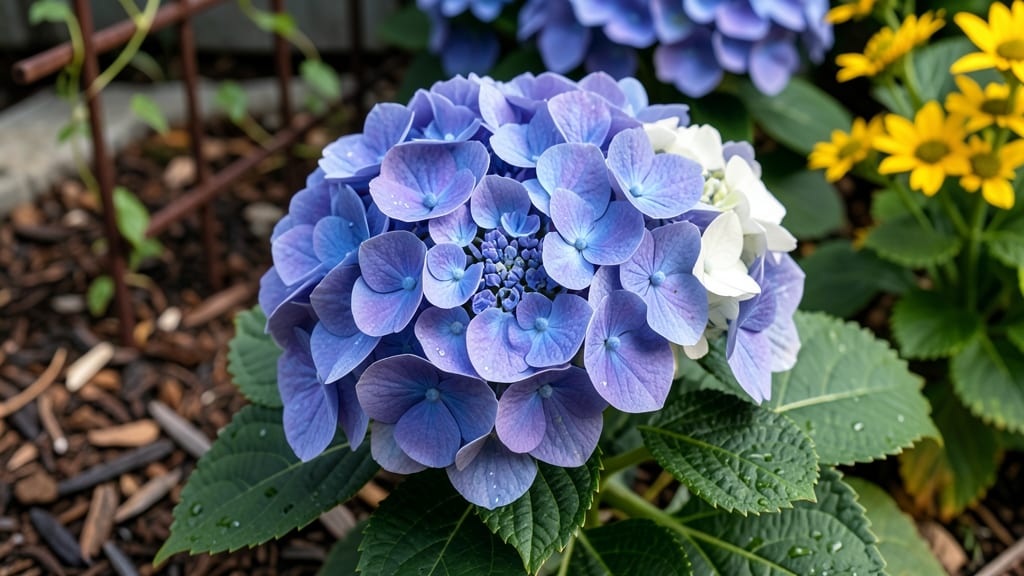
This hydrangea deer-proof blend saved my blooms—after years of deer turning my garden into a buffet, I finally found a solution that actually works. The secret isn’t just one trick; it’s combining repellents, smart plant choices, and a few sneaky garden hacks that deer hate.
Most commercial sprays fade in a week, but this homemade mix lasts 6-8 weeks with rain, and it’s safer for pets and pollinators. You’ll need garlic, hot sauce, and a few other kitchen staples—nothing fancy.
The key is reapplying after heavy rain and pairing it with physical barriers like chicken wire around young plants. By summer’s end, your hydrangeas will be lush and unharmed, with blooms so full they’ll make your neighbors jealous. Deer won’t just avoid them—they’ll steer clear of your whole garden.
Here’s exactly how to make it work without breaking the bank.
First, pick the right hydrangea varieties if you’re starting fresh—Oakleaf, Limelight, or Endless Summer are deer-resistant enough to survive light browsing. Pair them with companion plants like lavender, Russian sage, or boxwood, which deer dislike. The combo confuses them, making your hydrangeas less appealing.
Physical barriers are your best defense for young plants. Wrap chicken wire cages around stems or bury plastic tree guards 12 inches deep—deer can’t dig through that. For established bushes, a motion-activated sprinkler (set to 5-second bursts) sends them running faster than a scarecrow ever could.
Pro tip: Apply the deterrent blend twice a month at dusk, when deer are most active. Mix 1 part hot sauce, 1 part garlic, and 2 parts water, then spray until leaves are damp.
The smell is strong to us, but deer hate it—it mimics predators. Add a few egg shells crushed around the base for extra crunch (they dislike the texture).
If deer still visit, it’s usually because they’re desperate for food. In drought years, supplement with deer feeders 100 yards away to distract them. Your hydrangeas will rebound faster than you think, and next season, they’ll be thriving—without a single bite mark. No more sad, half-eaten blooms!
📚 In This Guide
- What you need
- Instructions
- Tips and common mistakes
- Wrapping up and next steps
What you need
- ● Prunings or clippings from hydrangeas (or other deer-resistant plants like Rhododendron or Boxwood) – about 2–3 cups (fresh or dried).
- ● Fresh garlic cloves – 5–6 cloves (peeled). Pro tip: 💡 Garlic’s strong scent is a natural deer deterrent!
- ● Hot red pepper flakes – 1–2 tablespoons (or cayenne pepper for extra potency).
- ● Apple cider vinegar – 1 cup (for fermentation and scent).
- ● Water – 4 cups (distilled or boiled, if possible).
- ● Large pot or slow cooker (for simmering the blend).
- ● Cheesecloth or fine mesh strainer (to filter the mixture).
- ● Spray bottle or garden sprayer (with a 1-gallon capacity or larger).
- ○ Gloves (optional, to avoid skin irritation from peppers).
- ● Labeling tags (to mark your spray bottle for future use).
- ● Essential oils like peppermint or citronella (add 10–15 drops to the spray bottle for extra repellency).
- ● Egg shells (crushed, for calcium and a gritty texture that deters chewing).
- ● Compost or mulch (to sprinkle around hydrangeas as a physical barrier).
Step-by-Step guide to protecting hydrangeas from deer
Here's how I've kept my hydrangeas lush and deer-free for years—no fences or chemicals required.
Apply a Homemade Deer Repellent Spray
Combine 1 gallon of water, 1 cup of hot pepper sauce (the hotter, the better), 1 tablespoon of dish soap, and 2 tablespoons of garlic powder in a large container. Let it steep overnight to maximize potency. The capsaicin in peppers and sulfur compounds in garlic create an unpleasant scent and taste for deer, while the dish soap helps the mixture cling to foliage.
Strain the mixture through a fine mesh sieve to remove any solids, then pour it into a spray bottle or garden sprayer. Focus on spraying the undersides of leaves and stems—deer often avoid plants that smell strongly to them. Reapply every 7-10 days or after heavy rain, as the scent fades over time. I always wear gloves and avoid spraying on windy days to prevent drift onto other plants or nearby surfaces.
Create Physical Barriers Around Plants
Wrap the base of each hydrangea bush with chicken wire or hardware cloth, bending it outward to create a 12-inch tall cylinder around the plant. Secure it with stakes or twist ties to prevent deer from browsing the lower stems. This method is especially effective for young plants or newly transplanted hydrangeas, which are most vulnerable to deer damage.
For established bushes, consider installing netting over the entire plant, securing it with stakes or rocks. Deer are less likely to investigate plants that are obscured or feel physically blocked. I’ve found that combining netting with the repellent spray creates a double layer of protection—deer avoid both the smell and the physical barrier. Check the netting weekly to ensure it hasn’t sagged or become tangled in debris.
Use Natural Scent Deterrents
Plant deer-resistant companions around your hydrangeas, such as lavender, rosemary, or Russian sage. These herbs emit strong scents that deer dislike, creating a natural deterrent zone. I also place soapy water-soaked rags near the bushes—the strong odor mimics the smell of predators and keeps deer away. Refresh these rags every 3-5 days or when they dry out.
Another effective trick is to sprinkle coffee grounds around the base of the plants. The bitter smell and gritty texture deter deer from approaching. For a stronger effect, mix the coffee grounds with crushed eggshells—the sharp edges irritate their hooves. Reapply both after rain or watering, as the scent dissipates quickly. This method is particularly useful for hydrangeas in containers, where physical barriers may be impractical.
Monitor and Reinforce Protection
Inspect your hydrangeas weekly for signs of deer activity, such as chewed leaves, broken stems, or disturbed mulch. If you notice damage, immediately reapply the repellent spray and reinforce any physical barriers. Deer are creatures of habit, so consistent protection is key. I’ve found that combining multiple deterrent methods—like spray, barriers, and companion plants—yields the best results.
During spring and fall, when deer are most active, increase the frequency of your deterrent applications. These seasons also coincide with hydrangea’s most vulnerable growth phases, making them prime targets. If deer persist despite your efforts, consider adding motion-activated sprinklers near the plants—the sudden burst of water startles them and reinforces their avoidance of the area.
Tips & tricks for protecting your hydrangeas from deer
These practical strategies will help you maintain lush hydrangeas while keeping deer at bay—without relying on harsh chemicals or expensive fencing.
The Timing Factor: When applying your homemade deer repellent spray in Step 1, timing is everything. The overnight steeping period is crucial—it allows the capsaicin from the hot pepper sauce and sulfur compounds from garlic to fully infuse the water. I’ve found that using a hot pepper sauce with at least 3,000 Scoville units works best for maximum potency. If you’re short on time, a minimum of 4 hours of steeping will still provide effectiveness, though the scent may not last as long.
Barrier Placement: In Step 2, when creating physical barriers, focus on securing them tightly around the base of the plant. The 12-inch height recommendation is ideal for most hydrangeas, but for particularly tall varieties, extend the barrier another 6 inches higher. I’ve noticed that deer often attempt to reach over lower barriers, so make sure the wire or netting is snug against the stems. For young plants, consider adding a second layer of protection by wrapping the wire more densely around the stem.
Companion Plant Strategy: The natural scent deterrents in Step 3 can be even more effective when strategically placed. Lavender and rosemary should be planted within 2-3 feet of your hydrangeas, as their strong fragrance carries well. For soapy water-soaked rags, place them near the base of the plant but not directly touching the leaves—this prevents potential leaf burn while still deterring deer. Coffee grounds and crushed eggshells should be sprinkled in a 12-inch radius around the plant’s base, creating a protective perimeter.
Seasonal Adjustments: During spring and fall—when deer are most active—you’ll need to adjust your maintenance routine. In Step 4, increase your monitoring frequency to every 3-4 days instead of weekly. The repellent spray should be reapplied every 5-7 days during these peak seasons, rather than the standard 7-10 day interval. For containers, which are especially vulnerable, consider adding a lightweight mesh cover that allows sunlight and water to penetrate while keeping deer out.
Pro Tips for Hydrangea Deer Proof
- These practical strategies will help you maintain lush hydrangeas while keeping deer at bay—without relying on harsh chemicals or expensive fencing.
- The Timing Factor: When applying your homemade deer repellent spray in Step 1, timing is everything.
- Barrier Placement: In Step 2, when creating physical barriers, focus on securing them tightly around the base of the plant.
Frequently asked questions
Got questions about keeping deer away from your hydrangeas? You’re not alone!
Here are some of the most common concerns—and practical solutions—to help you protect your prized blooms naturally.
What’s the best time of year to apply deer deterrents?
Apply your deer-repellent blend early spring (before new growth emerges) and again after heavy rains or pruning. Deer are most active at dawn/dusk, so reapply every 4–6 weeks or after rain to maintain effectiveness. For long-term protection, consider a seasonal schedule (March–November in most climates).
Will deer deterrents harm my hydrangeas or other plants?
Most natural blends—like garlic, hot pepper, or predator urine—are plant-safe when used as directed. Always do a patch test on a small area first, and avoid over-saturating soil (which can stress roots). Stick to food-grade ingredients to prevent phytotoxicity.
How long does a homemade deer spray last?
Homemade sprays typically last 2–4 weeks outdoors, depending on weather. Rain, UV exposure, and evaporation can reduce potency faster. For extended coverage, store extra mix in a cool, dark place and reapply every 2 weeks or after heavy rain. Pro tip: Shake well before each use!
Are there deer-resistant hydrangea varieties?
Yes! Some hydrangeas are less appealing to deer due to their scent or texture. Try Oakleaf hydrangeas (slightly bitter leaves) or Panicle hydrangeas (less tender stems). Pair these with deterrents for double protection. Even "resistant" varieties may get nibbled—so combine strategies for best results.
What if deer keep coming back after I’ve applied deterrents?
Persistence is key! If deer ignore your spray, try layered defenses:
- Add physical barriers (fencing or netting) around high-value plants.
- Use ultrasonic repellents or motion-activated sprinklers.
- Rotate deterrent ingredients (e.g., switch from garlic to predator urine).
Bonus Tip: Combine with companion planting!
Surround hydrangeas with deer-deterring plants like lavender, rosemary, or Russian sage. Their strong scents confuse deer and create a natural buffer. Win-win for your garden!
Wrapping up and next steps
Protecting your hydrangeas from deer doesn’t have to be a battle—just a smart, natural strategy! 🌿 By blending deer-resistant plants, strong scents, and physical barriers, you can keep those blooms lush and your garden peaceful.
The key is consistency: start with a mix of deterrents and monitor what works best for your local wildlife.
Ready to take action? Start small—try one or two methods this season, observe the results, and adjust as needed. Your hydrangeas (and your sanity) will thank you! 🌸