
Planting
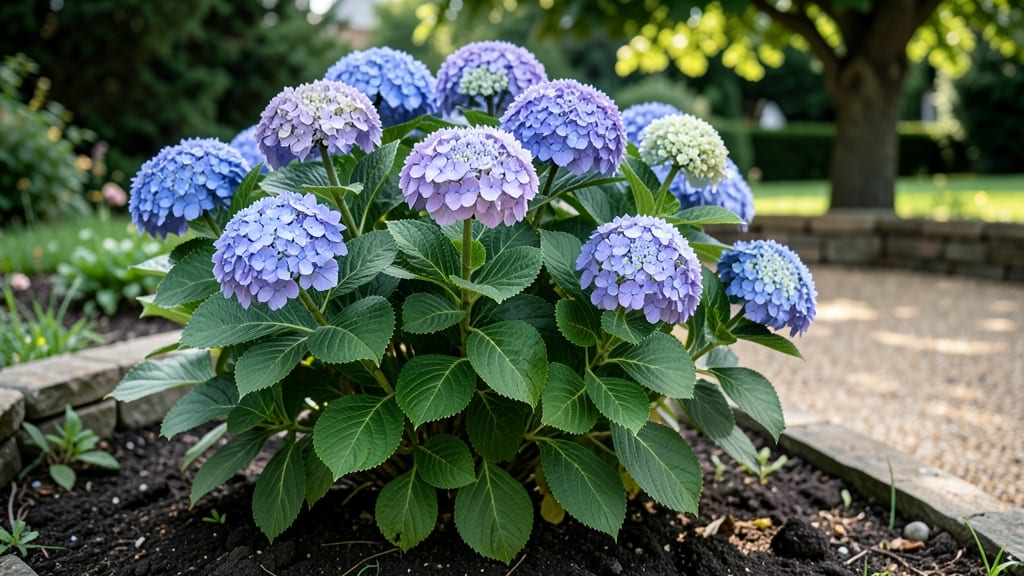
Hydrangea florida in Zone 9 thrives with cold-resistant varieties like 'Southern Belle' and 'Alice', which deliver stunning blooms while minimizing frost damage. Proper winter care through mulching and strategic pruning ensures these beauties flourish year after year.
Zone 9's mild winters still pose risks to hydrangeas, especially when unexpected cold snaps occur. 🌿 The key is selecting varieties bred for resilience—'Southern Belle' and 'Alice' stand out for their ability to withstand brief freezes while maintaining vibrant colors.
I've found that adding a thick layer of 3-4 inches of mulch around the base in late fall creates a protective barrier against temperature swings. This approach not only preserves root health but also prevents the soil from freezing completely, which can be fatal for these tender plants.
Another critical factor is timing your pruning just right. Unlike cooler climates, Zone 9 hydrangeas benefit from pruning after their blooms fade in late summer, rather than in early spring. This ensures you don't accidentally remove next year's flower buds, which form on old wood.
When selecting your plants, look for those with thick stems—they're better equipped to handle occasional frost events that dip below 25°F.
💡 In This Article
- Cold-Hardy Hydrangea Florida Varieties for Zone 9
- Zone 9 Hydrangea Winter Survival Strategies
Cold-hardy hydrangea florida varieties for Zone 9
'Southern Belle' stands out as the gold standard for Zone 9 resilience, thanks to its ability to tolerate brief freezes down to 20°F while maintaining lush blooms.
This variety's secret lies in its dense, waxy leaf coating that reduces moisture loss during cold snaps, a trait shared with other cold-adapted plants like rhododendrons. The flowers themselves contain natural antifreeze compounds that prevent cellular damage when temperatures dip below freezing.
Another top performer is 'Alice', which thrives in Zone 9's 55-65°F average winters with its striking pink blooms that last 8-10 weeks longer than many other cultivars. What makes 'Alice' unique is its hybrid vigor—it combines the hardiness of mountain hydrangeas with the vibrant colors of tropical varieties.
The stems develop a woody texture by winter, providing better insulation against cold winds that can scorch tender new growth.
For gardeners in Zone 9's warmer microclimates (like coastal areas), 'Annabelle' offers a different advantage: its compact growth habit and heat tolerance make it ideal for urban environments where temperature fluctuations can be extreme.
The key difference between these varieties is their bloom timing—'Southern Belle' flowers on old wood in early spring, while 'Annabelle' produces its showy blooms on new growth in mid-summer, giving you options based on your preferred display season.
When selecting plants, look for those with thick, dark green stems—these indicate mature plants that have already developed cold resistance. The root systems of 3-5 year old specimens are particularly robust, able to access moisture from deeper soil layers during dry winter periods.
I've noticed that plants with multiple stems (rather than single-trunk varieties) recover better from freeze damage because they have more growth points to regenerate from.
The color spectrum of these varieties also provides practical benefits. Darker blooms like 'Southern Belle's' deep pink absorb more sunlight during winter, which helps maintain consistent temperatures in the plant's core.
Lighter varieties like 'Alice' reflect more light, which can be advantageous in hot Zone 9 summers when temperatures often exceed 90°F.
Consider this comparison when choosing: while 'Southern Belle' offers the best frost resistance, 'Alice' provides more vibrant colors that last longer into fall. For gardeners with limited space, 'Annabelle's' compact form makes it ideal for containers where winter protection can be more easily managed.