
Flowers
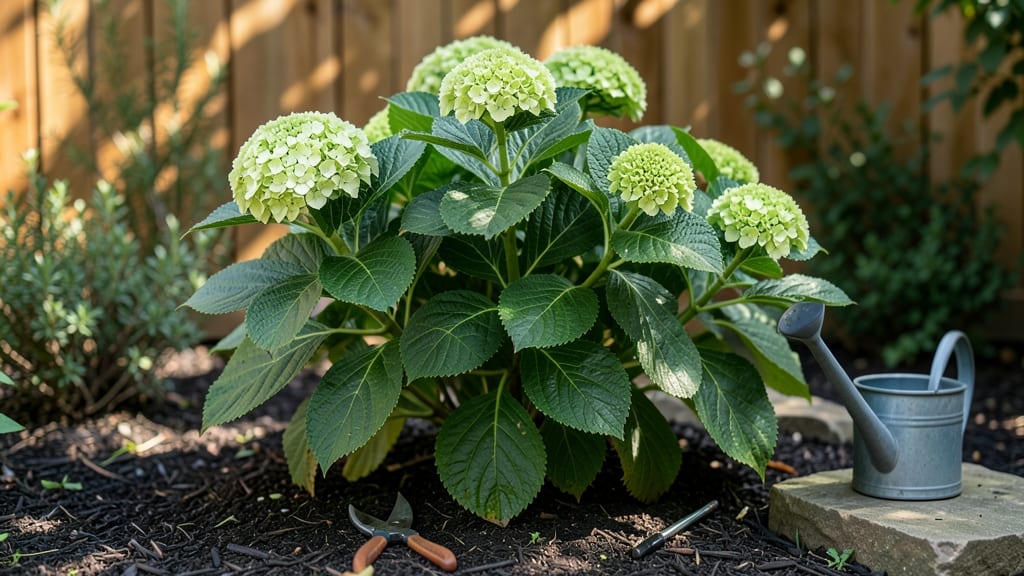
Why did your hydrangea flowers turned green instead of the vibrant blue you expected? I’ve seen this happen more than I’d like to admit—especially when the blooms should be that dreamy lavender or deep blue. 💚 The good news is this isn’t always a death sentence.
Most of the time, it’s a simple pH fix or a tweak in care that brings back those vibrant colors you planted for.
The most common culprits are soil pH swings (alkaline soil = green blooms) or overwatering that drowns roots and stresses the plant. Spider mites can also sneak in, turning leaves yellowish-green before you notice.
I’ve had to rescue more than one hydrangea bush by adjusting watering, adding aluminum sulfate, or giving it a good spray with neem oil—all simple fixes that work fast.
Once you identify the problem, you’ll see results in just a few weeks. The blooms will start shifting back to their intended color, and the plant will perk up like it’s got new energy.
For urgent cases, a quick soil test and a dose of acid-loving fertilizer can make all the difference—no fancy tools required.
Whether you’re dealing with a backyard bush or a container plant, the same principles apply. The key is acting fast and keeping an eye on your hydrangea’s environment. Trust me, your blue blooms are just waiting to make a comeback!
Root Causes Behind Green Blooms
When your hydrangeas trade their signature pinks, purples, or blues for a dull green hue, it’s usually a cry for help from the plant itself.
While green blooms might seem like a harmless quirk, they’re often a sign of underlying stress—whether from soil chemistry, sunlight exposure, or even the plant’s natural lifecycle. Let’s break down the most common culprits and why they turn your blooms from showstoppers to shrubbery.
The biggest villain behind hydrangea color shifts is soil pH, and it’s not just about making the blooms green—it’s about locking out color entirely. Hydrangeas (especially Hydrangea macrophylla) produce their vibrant hues thanks to anthocyanin pigments, which are highly sensitive to aluminum availability in the soil.
- Alkaline Soil (pH 7.0+): In high-pH conditions, aluminum becomes unavailable to the plant. Without it, the flowers can’t synthesize blue or purple pigments, defaulting to green. Think of it like a painter running out of blue paint—they just use what’s left (green/yellow chlorophyll).
- Acidic Soil (pH < 5.5): While this won’t turn blooms green, it can burn roots and stress the plant, indirectly causing poor pigment development. Overly acidic soil also leaches nutrients like phosphorus, weakening the plant’s ability to produce vibrant blooms.
- Test Your Soil: Use a home soil test kit (costs ~$10–$20) or send a sample to a local extension office. Aim for a pH of 5.2–6.2 for blue blooms or 6.0–7.0 for pinks.
💡 Pro Tip: If your soil is alkaline, amend it with sulfur (to lower pH) or elemental sulfur granules. For acidic soil, add lime (calcium carbonate) to raise pH. Never adjust pH drastically in one season—aim for 0.5 pH units per year.
Hydrangeas are partial-shade lovers, and too much direct sunlight—especially in hot climates—can cause stress that manifests as green or yellowing blooms. Here’s how light affects color:
- Excessive Sun (6+ hours/day): Intense UV rays can bleach pigments and cause chlorosis (green discoloration) by disrupting chlorophyll production. The plant prioritizes photosynthesis over flower pigmentation.
- Insufficient Light (<4 hours/day): While too much sun is bad, too little can also weaken the plant, leading to poor bloom development. Green blooms may appear smaller and less vibrant due to lack of energy.
- Morning Sun + Afternoon Shade: Ideal for most hydrangeas. If your plant is in full sun, try dappled shade (e.g., under a tree with sparse branches) or use a light shade cloth (30–50% block) in peak summer.
🌡️ Heat Stress Warning: In zones 7–9, hydrangeas often drop buds or produce green blooms if temperatures exceed 90°F (32°C) for prolonged periods. Mulch with wood chips to keep roots cool.
Hydrangeas hate wet feet, and soggy soil can lead to root rot, nutrient deficiencies, and—you guessed it—green, underwhelming blooms. Here’s how water affects color:
- Overwatering: Excess moisture leaches nutrients (like aluminum and iron) from the soil, starving the plant of what it needs for pigment production. Roots suffocate, and the plant diverts energy to survival, not blooms.
- Underwatering: While this causes wilting, chronic drought can also stress the plant, leading to small, greenish blooms as the plant conserves resources.
- Drainage Issues: If your hydrangea sits in a low spot or container without drainage holes, roots drown, and nutrients become inaccessible. Test drainage by digging a hole near the plant—if water pools after 30 minutes, you’ve got a problem.
🔥 Fix It Fast: Improve drainage by adding organic matter (compost or peat moss) to heavy clay soil. For containers, ensure they have drainage holes and use a well-draining mix (50% potting soil, 30% perlite, 20% pine bark). Water only when the top 1–2 inches of soil are dry.
Hydrangeas are light feeders, and too much (or too little) fertilizer can throw their color balance off. Here’s what’s missing when blooms go green:
| Nutrient | Symptoms | Solution |
|---|---|---|
| Aluminum | Green blooms (no blue/purple pigment), weak stems | Use aluminum sulfate (1 tsp per gallon of water, applied to soil) or chelated aluminum. |
| Phosphorus | Small, greenish blooms; slow growth | Apply a low-phosphorus fertilizer (5-10-10) in early spring. |
| Magnesium | Yellowing between leaf veins (chlorosis), dull green blooms | Use Epsom salt (1 tbsp per gallon of water, foliar spray or soil drench). |
| Over-Fertilizing (Nitrogen) | Lush green foliage but no blooms or tiny green buds | Stop fertilizing until new growth appears. Use a bloom-specific fertilizer (low nitrogen, high phosphorus). |
✨ Pro Tip: Hydrangeas don’t need much fertilizer. A slow-release granular fertilizer in early spring (before buds form) is often enough. Avoid high-nitrogen lawn fertilizers—they’ll give you leaves, not flowers!
Not all green blooms are a sign of distress—sometimes, it’s just timing. Hydrangeas have two types of blooms:
-
Old Wood (Mature Buds): Formed on last year’s growth (e.g., Hydrangea macrophylla). These blooms should be
Reviving Your Hydrangeas Naturally
If your hydrangea blooms have lost their signature blue or pink hues and turned a dull green, don’t panic—there’s almost always a fix! The key is identifying the root cause (like overwatering, soil pH, or nutrient deficiencies) and applying the right solution.
Below, we break down actionable steps to restore color and prevent future issues, tailored to the most common culprits.
When hydrangeas sit in soggy soil, their roots suffocate, leading to pale, greenish blooms and even rot. Here’s how to correct it:
#### 🍳 Step 1: Check the Soil Moisture - Stick your finger 1–2 inches deep into the soil. If it’s damp or mushy, your plant is overwatered. - Pro Tip: 💡 Use a moisture meter for accuracy—hydrangeas prefer soil that’s evenly moist but not waterlogged. #### 👨🍳 Step 2: Improve Drainage - Amend the soil with: - Perlite or coarse sand (20–30%) to loosen heavy clay. - Compost or peat moss (10–20%) to retain moisture without suffocating roots. - For containers: Ensure pots have drainage holes and elevate them slightly to prevent water pooling. #### ⏰ Step 3: Adjust Your Watering Routine - Water deeply but less frequently—aim for 1–1.5 inches per week (including rain). - Water at the base, avoiding leaves to prevent fungal diseases. - Avoid soggy soil in winter—reduce watering if your region freezes. #### 🌱 Prevention Tips - Plant hydrangeas in well-draining soil with a slightly acidic pH (5.2–6.2). - Mulch around the base (2–3 inches of organic mulch) to regulate moisture and temperature.Hydrangeas are famous for their color-changing blooms, but green flowers often signal a pH imbalance. Blue hydrangeas (like Hydrangea macrophylla) thrive in acidic soil (pH 5.2–5.5), while pink varieties prefer slightly alkaline soil (pH 6.0–6.2).
#### 🔪 Step 1: Test Your Soil’s pH - Use a soil test kit (available at garden centers) or send a sample to a local extension office. - DIY test: Mix 1 cup soil + 1 cup vinegar—if it fizzes, your soil is alkaline. If not, mix 1 cup soil + 1 cup baking soda—fizzing means acidic soil. #### 📊 Step 2: Adjust pH Based on Desired Color | Goal | Current pH | Solution | How to Apply | |----------------|----------------|---------------------------------------|-------------------------------------------| | Blue Blooms | Too high (alkaline) | Lower pH with sulfur or peat moss | Sprinkle 1 tbsp sulfur per sq ft into soil, water well. Repeat every 2–3 months. | | Pink Blooms | Too low (acidic) | Raise pH with lime or wood ash | Mix ½ cup dolomitic lime per sq ft, water thoroughly. Test again in 2–3 months. | | Purple Blooms | Neutral (pH 6.0) | Maintain balance | Add compost to buffer pH naturally. | #### ✨ Prevention Tips - Monitor pH annually—rain and decomposition can shift levels. - Use rainwater (slightly acidic) for watering if your tap water is alkaline. - Avoid over-fertilizing with synthetic fertilizers, which can raise pH over time.Green, sparse blooms can also mean your hydrangea isn’t getting enough iron, magnesium, or nitrogen. Here’s how to fix it:
#### 🥗 Step 1: Identify the Deficiency - Yellow leaves with green veins? → Iron deficiency (chlorosis). - Purple-tinged leaves? → Phosphorus deficiency. - Stunted growth? → Nitrogen deficiency. #### 🍎 Step 2: Fertilize Properly - For iron deficiency: - Apply chelated iron supplement (follow package rates). - Prevention: Use compost tea or Epsom salt (1 tbsp per gallon of water) every 4–6 weeks. - For general growth: - Use a balanced fertilizer (10-10-10) in early spring. - Slow-release granules (like Osmocote) reduce over-fertilizing risks. #### 🎯 Prevention Tips - Test soil every 2–3 years to check nutrient levels. - Avoid fertilizing in winter—hydrangeas rest during cold months. - Mulch with compost to gradually enrich soil over time.If the above doesn’t solve the issue, consider these lesser-known causes and fixes:
#### 🌞 Too Much Sun or Heat Stress - Symptoms: Wilting, greenish blooms, leaf scorch. - Fix: - Move to partial shade (morning sun + afternoon shade). - Mulch heavily to retain moisture. - Mist leaves on hot days (but avoid soggy soil). #### 🐛 Pest or Disease Damage - Symptoms: Holes in leaves, sticky residue, mold. - Fix: - Spray with neem oil for aphids or spider mites. - Remove affected leaves and dispose of them. - Ensure airflow by pruning nearby plants. #### 🌱 Transplant Shock - Symptoms: Drooping, green blooms, stunted growth. - Fix: - Water deeply after transplanting. - Avoid fertilizing for 4–6 weeks to reduce stress. - Prune damaged roots if repotting.With these targeted solutions, your hydrangeas should bounce back in 2–4 weeks, regaining their stunning blue, pink, or purple hues. The key is patience and consistency—soil changes take time, but the results are worth it! 🌸
Frequently asked questions
1Why are my hydrangea blooms turning green instead of blue or pink?
The most common cause is alkaline soil (pH 7.0+), which locks out aluminum needed for blue/purple pigments. Other culprits include overwatering, nutrient deficiencies (like iron or magnesium), or excessive sunlight that stresses the plant. Start by testing your soil pH and checking moisture levels!
2Can I fix green hydrangea blooms by just adding more fertilizer?
Not always! Too much fertilizer—especially high-nitrogen types—can actually worsen the problem by burning roots or throwing off pH balance. Focus first on soil pH adjustment (using sulfur for blue blooms or lime for pink) and targeted nutrients like aluminum sulfate or chelated iron. Test your soil before fertilizing!
3How long does it take to see color changes after adjusting pH?
You’ll typically see improvements in 4–6 weeks, but dramatic color shifts may take up to 2–3 months for new blooms to form. For fastest results, apply aluminum sulfate (for blue blooms) in early spring when buds are setting. Patience is key—don’t overdo amendments, as drastic pH changes can harm roots.
4Are green hydrangea blooms harmful to the plant?
Not usually—they’re more of a cosmetic issue than a health crisis. However, if blooms stay green year after year, it often means underlying stress (like poor drainage or nutrient deficiencies) that could weaken the plant over time. Addressing the root cause will restore both color and vitality. Think of it as your hydrangea’s way of saying, "I need a little help!"
5What’s the easiest way to test my soil pH at home?
Grab a $10 soil test kit from a garden center or use this quick DIY method: Mix 1 cup soil + 1 cup vinegar—if it fizzes, your soil is alkaline. For acidic soil, mix 1 cup soil + 1 cup baking soda; fizzing means it’s too acidic. For precise results, send a sample to your local cooperative extension office (many offer free or low-cost testing).