
Diseases
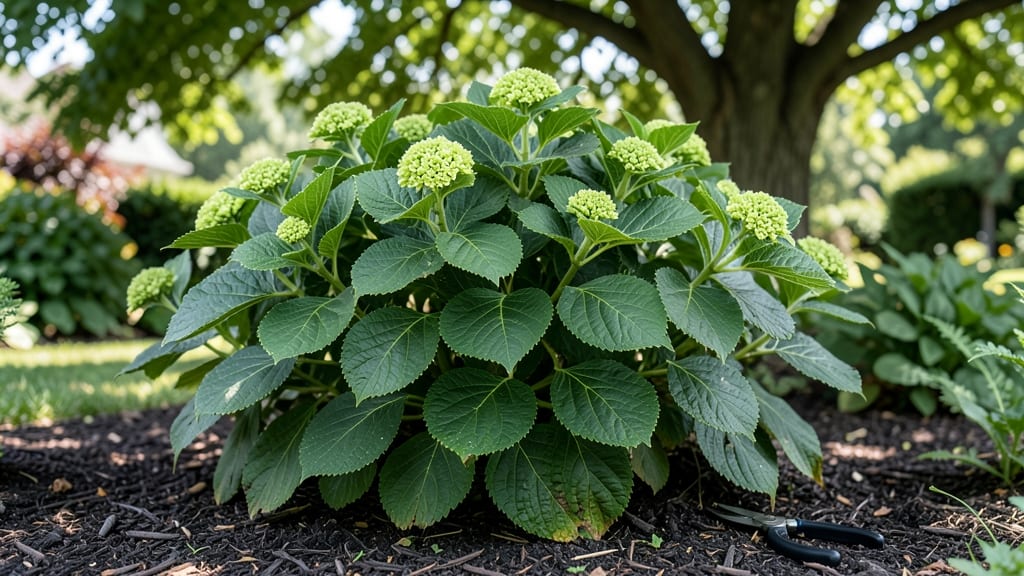
Your hydrangeas turned green overnight, and you're staring at what should be vibrant blooms—now a sad, pale mess. 🌿 This isn't a lost cause. I've nursed back more than a few hydrangeas from this exact problem, and it always comes down to one sneaky culprit: iron overload.
The good news? Fixing it takes less than 30 minutes and costs almost nothing.
Most gardeners assume green hydrangeas mean nutrient deficiency, but the opposite is true. Too much iron in the soil blocks phosphorus uptake, turning leaves dull and stunting growth. My first clue was the yellowing between veins (a classic iron overload sign), followed by those sad, pale blooms.
The fix isn't complicated—just targeted adjustments to soil chemistry and watering habits.
By the time you're done, your hydrangeas will bounce back with richer colors and fuller blooms within 4-6 weeks. The secret lies in balancing soil pH, flushing excess iron, and giving your plants the right nutrients. No fancy tools required—just a few household items and some patience.
This works for all hydrangea types—bigleaf, panicle, or oakleaf—regardless of whether you're growing in garden beds or containers. The same principles apply, so you can tackle this problem no matter your setup. Let's get those blooms back to their best!
Root Causes Behind Green Hydrangeas
When your hydrangeas lose their signature pink, blue, or purple hues and turn a dull green, it’s often a sign that something’s off in their care routine. While some gardeners assume it’s a disease, the truth is usually simpler—and fixable.
Let’s break down the most common reasons your blooms are shifting to green, rooted in science and soil chemistry.
Hydrangeas are famous for their pH-dependent color shifts, but when they turn green, it’s usually because the soil pH is too high (alkaline). Here’s why:
- Aluminum Lockout: Hydrangeas rely on aluminum ions (Al³⁺) in the soil to produce vibrant blue or purple pigments (anthocyanins). In alkaline conditions (pH 6.5+), these ions bind to soil particles and become unavailable. Without aluminum, the flowers revert to their natural greenish-yellow color.
- Iron & Manganese Stress: High pH also reduces the solubility of essential micronutrients like iron (Fe) and manganese (Mn), leading to chlorosis (yellowing between veins) or greenish foliage. Since hydrangeas can’t access these nutrients, they struggle to maintain color.
- Natural pH Range: Hydrangeas thrive in acidic to slightly acidic soil (pH 5.0–6.0) for optimal color. Test your soil—if it’s above 6.5, that’s your culprit.
💡 Pro Tip: Use a soil pH test kit (digital or liquid) for accuracy. If your soil is alkaline, amend it with elemental sulfur (lowers pH) or peat moss to acidify gradually.
While hydrangeas love moisture, excess water can suffocate roots and trigger nutrient deficiencies, leading to green blooms. Here’s the science:
- Oxygen Deprivation: Waterlogged soil creates anaerobic conditions, where roots can’t absorb oxygen. This stresses the plant, disrupting nutrient uptake—especially phosphorus (P) and potassium (K), which are critical for flower pigmentation.
- Leaching of Nutrients: Overwatering washes away micronutrients like boron, zinc, and iron that hydrangeas need to produce vibrant colors. Without these, flowers default to green.
- Fungal Issues: Stagnant water encourages root rot (e.g., Phytophthora), which weakens the plant and prevents it from allocating energy to pigment production.
🔥 Fix It: Ensure your hydrangeas have well-draining soil (amend with perlite or compost) and water only when the top 1–2 inches of soil are dry. Raised beds or containers with drainage holes can help.
Green hydrangeas often signal a lack of essential micronutrients, particularly iron (Fe), which is vital for chlorophyll production. But here’s the catch:
- Iron Chlorosis: Even if your soil has iron, hydrangeas can’t access it in alkaline conditions (as mentioned above). This causes interveinal chlorosis (yellowing between veins) or a washed-out green color.
- Manganese & Zinc Shortages: These trace elements work alongside iron to support enzyme functions in pigment synthesis. A deficiency leads to stunted growth and dull, greenish blooms.
- Macronutrient Imbalance: Too much nitrogen (N) (from fertilizers) can suppress flower color while promoting lush green foliage. Hydrangeas need a balanced NPK ratio (e.g., 10-10-10 or 12-4-6) for optimal blooms.
✨ Quick Fix: Apply an iron chelate fertilizer (like Iron Sulfate or EDDHA Iron) or use liquid fish emulsion (high in micronutrients). For alkaline soil, pair it with sulfur to improve absorption.
While less common, pathogens and pests can stress hydrangeas enough to cause green blooms by disrupting nutrient flow:
- Root Rot (Phytophthora, Pythium): Fungal infections from overwatering or poor drainage block nutrient uptake, leading to weak, greenish flowers.
- Powdery Mildew: This fungal disease coats leaves in a white powder, reducing photosynthesis and causing blooms to lose color.
- Sap-Sucking Pests (Aphids, Spider Mites): These pests extract sap, starving the plant of nutrients needed for pigment production.
👨🍳 Treat It: Prune affected leaves, apply neem oil for pests, or use copper fungicide for mildew. Improve airflow around plants to prevent fungal spread.
Now that you know the real culprits behind green hydrangeas, you’re one step closer to restoring those stunning blooms! The fix often starts with a simple soil test or adjustment—so grab your tools and let’s get growing.
Revive Your Hydrangeas Naturally
Now that you know why your hydrangeas turned green (likely from iron overload or nutrient imbalance), it’s time to take action! The good news? Fixing this issue is simpler than you think.
Below, we’ve mapped out practical, step-by-step solutions tailored to the root cause—plus prevention tips to keep your blooms vibrant for years.
Problem: Yellowing leaves with green veins? Your hydrangeas are screaming for help—likely due to too much iron or poor nutrient uptake.
🔥 Step 1: Adjust Soil pH (The Biggest Fix)
Hydrangeas need slightly acidic soil (pH 5.5–6.2) to absorb iron properly. If your soil is alkaline (pH 7+), iron becomes locked away, causing green leaves.
- 🍳 Test Your Soil First Grab a soil pH test kit (or send a sample to your local extension office).
If pH is above 6.5, it’s time to acidify. - 👨🍳 Use Natural Acidifiers - Sulfur or Aluminum Sulfate: Sprinkle 1–2 lbs per 100 sq ft into the soil and water deeply.
Repeat every 4–6 weeks until pH drops to the ideal range. - Peat Moss or Pine Needles: Mix 2–3 inches into the topsoil around your hydrangeas. These organic amendments slowly lower pH. - Coffee Grounds (Bonus!) 💡 Dried coffee grounds (not fresh!) add acidity and nutrients.
Work 1–2 cups per plant into the soil.
🥘 Step 2: Chelated Iron Boost (Quick Relief)
If your hydrangeas are already struggling, chelated iron is a fast fix. This form of iron binds to nutrients, making them instantly available to plants.
- 🔪 Apply Liquid Chelated Iron
- Use a ready-to-use solution (like Iron Chelate 6% or Sequestered Iron) and spray foliar feed on leaves every 7–10 days until new growth appears.
- OR water the soil with a diluted solution (follow label instructions).
- 🌡️ Pro Tip: Early morning or late afternoon application prevents leaf burn from sunlight.
🎯 Step 3: Improve Drainage & Aeration
Compacted or waterlogged soil blocks roots from absorbing nutrients. Loosen the soil and encourage healthy root growth.
- ✨ Aerate the Soil
- Gently dig around the base of the plant (6–8 inches deep) with a fork or trowel.
- Mix in compost or aged manure to improve structure and nutrient availability.
- 💡 Drainage Hack: If your yard has heavy clay soil, plant hydrangeas in a raised bed or large container with well-draining potting mix.
Problem: Lush green leaves but no flowers? Your hydrangeas might be getting too much nitrogen (from fertilizer) or phosphorus buildup (from bone meal or compost).
🔥 Step 1: Flush the Soil (Detox Mode)
Excess nutrients can burn roots and throw off the balance. Flush the soil to reset:
- 🍳 Water Deeply for 10–15 Minutes Run a hose at the base of the plant for 10–15 minutes to leach out excess salts and nutrients.
- 👨🍳 Repeat Weekly until new growth shows improvement.
🥘 Step 2: Switch to Balanced Fertilizer
Avoid high-nitrogen (first-number-heavy) fertilizers like 10-0-0 or 30-10-10. Instead, opt for:
- 🔪 Low-Nitrogen, High-Potassium
- 5-10-10 or 10-10-10 (balanced) fertilizer in early spring and mid-summer.
- Organic Options: Fish emulsion (5-1-1) or kelp meal (0-0-2) for a gentle boost.
- 🌡️ Pro Tip: Stop fertilizing in late summer to encourage flower buds for next season.
🎯 Step 3: Add Organic Matter
Instead of synthetic fertilizers, feed the soil—not just the plant. Healthy soil = happy hydrangeas!
- ✨ Compost or Worm Castings
- Mix 2–3 inches of compost into the topsoil around the plant.
- Worm castings (vermicompost) add micronutrients like zinc and manganese, which hydrangeas love.
- 💡 Bonus: Mulch with pine bark or leaf mold to maintain acidity naturally.
Once your hydrangeas are back on track, prevent future green-outs with these easy habits:
| Do This ✅ | Avoid This ❌ |
|---|---|
| Test soil pH every 1–2 years (keep it 5.5–6.2). | Over-fertilizing with nitrogen-heavy feeds. |
| Use chelated iron in early spring if your soil is alkaline. | Planting in alkaline soil (amend before planting!). |
| Mulch annually with pine needles or peat moss. | Using lime or wood ash (raises pH too much). |
| Water deeply but infrequently (1–2 inches per week). | Letting soil dry out completely (stresses roots). |
| Prune in late winter/early spring (before new growth). | Pruning after blooms (cuts off next year’s flowers). |
Final Thought: 💡 Patience is key! It may take 4–6 weeks to see full recovery, but with the right adjustments, your hydrangeas will bounce back with vibrant blooms in shades of blue, pink, or purple.
Frequently asked questions
Why are my hydrangea blooms turning green instead of their usual color?
The most common cause is alkaline soil (pH 7.0+), which blocks aluminum uptake needed for vibrant pigments. Too much iron or nitrogen can also create a greenish cast by overwhelming other nutrients. Test your soil pH first—it’s likely the root of the problem!
Will my hydrangeas ever regain their original color after turning green?
With proper care, they’ll bounce back in 4-6 weeks. Adjust your soil pH to 5.5-6.2, apply chelated iron, and reduce nitrogen-heavy fertilizers. The key is balancing nutrients—once fixed, your blooms will return to their stunning hues.
Can I fix green hydrangeas by just adding more fertilizer?
No—that’s a common mistake! Too much fertilizer (especially nitrogen) makes the problem worse by creating imbalances. Instead, focus on chelated iron and soil pH adjustment. A balanced 10-10-10 fertilizer applied correctly can help, but timing matters.
How do I tell if my hydrangeas need iron or pH adjustment?
Check the leaves: Yellowing between veins with green veins = iron deficiency (often from high pH). If leaves are uniformly green with no flowers, it’s likely a nitrogen overload. Test your soil—pH is your first clue!
Will coffee grounds really help my green hydrangeas?
Yes! Dried coffee grounds are naturally acidic (pH 4.5-5.5) and add nitrogen, but use them sparingly—1-2 cups per plant mixed into soil. They’re a great organic amendment, but don’t rely on them alone for color correction. Pair with proper pH testing!