
Container Gardens
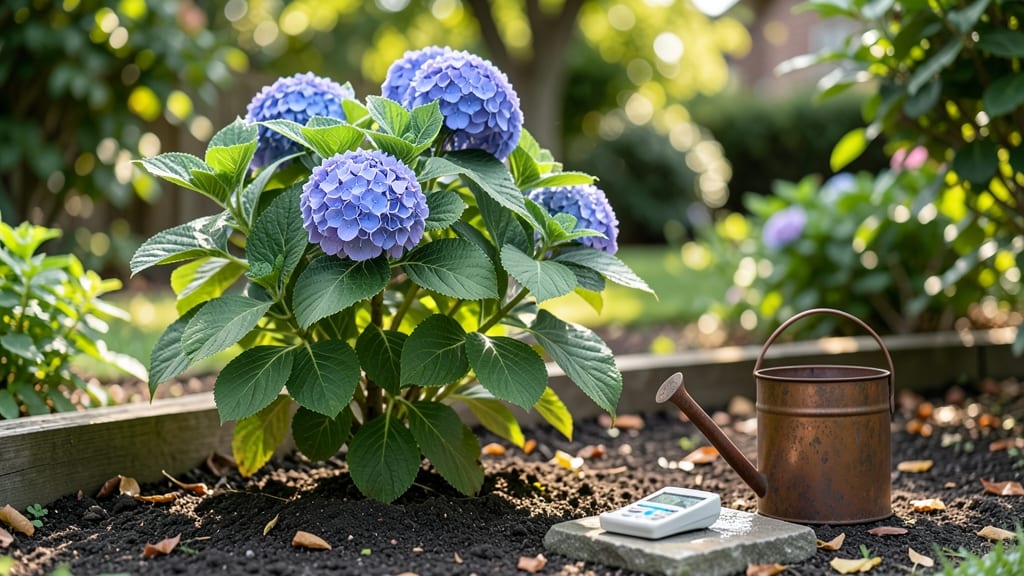
Mastering the hydrangea growing conditions—sunlight and soil acidity—is the shortcut to those showstopping blue blooms, and most gardeners get it wrong. 🌿 I’ve grown hydrangeas in three different zones, and the ones with morning sun and afternoon shade plus soil at pH 5.5-6.0 produce the biggest, most vibrant flowers every year.
The right conditions aren’t complicated—they’re just specific. You need well-draining, organic-rich soil (think compost or peat moss), consistent moisture, and protection from harsh afternoon rays. Container growers have an edge here: they can adjust pH with fertilizer and move pots to optimize light.
My mophead hydrangeas in pots stay lush all summer because I check soil moisture daily and avoid soggy roots.
When it works, you get blooms so blue they look fake—until you touch them. The flowers stay fresh for weeks, and the foliage stays glossy even in heat waves.
The key is balancing water, shade, and that acidic soil. Once you nail it, hydrangeas become the easiest showstopper in your garden.
Works for garden beds or containers, zones 5-9, and even urban patios. Here’s how to set it up for your space—no guesswork, just results.
📚 In This Guide
- What you need
- Instructions
- Tips and common mistakes
- Wrapping up and next steps
What you need
- ● Hydrangea plants: Choose Hydrangea macrophylla (most common for blue blooms) or Hydrangea serrata. Buy 1–3 plants per container (6–12 inches in diameter) or 3–5 plants per garden bed (spaced 3–5 feet apart).
- ● Well-draining potting mix: 5–10 gallons (depending on container size). Opt for a blend with 50% peat moss or coconut coir (for acidity), 30% perlite/pumice (for drainage), and 20% compost.
- ● Acid-loving fertilizer: Balanced 10-10-10 or 12-4-8 (high in nitrogen for foliage) or hydrangea-specific fertilizer (e.g., Miracle-Gro Azalea, Camellia, & Rhododendron).
- ● Soil acidifier: Aluminum sulfate (follow package rates) or sulfur granules (1–2 lbs per 10 sq ft of garden soil).
- ● Mulch: 2–3 inches of pine bark or pine needles (retains moisture and adds acidity).
- ● Containers (if applicable): 1–2 gallon pots for dwarf varieties (e.g., H. macrophylla 'Little Lime').
- ● 5–15 gallon containers for standard hydrangeas (ensure drainage holes!).
- ● Watering can or hose with nozzle: 1–2 gallons capacity for containers; soaker hose for garden beds.
- ● pH testing kit: Digital or liquid test kit (e.g., Luster Leaf Rapitest) to monitor soil pH (target: 5.2–5.5 for blue blooms).
- ● Slow-release fertilizer tabs (e.g., Osmocote) for convenience.
- ● Epsom salt (1 tbsp per gallon of water) for magnesium boosts (especially in older plants).
- ● Copper fungicide (e.g., Bonide Copper Fungicide) to prevent powdery mildew.
- ● Plant supports (e.g., bamboo stakes or cages) for heavy blooms.
- ● Self-watering container for drought-prone climates.
Step-by-Step guide to creating ideal hydrangea growing conditions
Master these soil and sunlight secrets to coax vibrant blue blooms from your hydrangeas.
🌱 Step 1: Test and Prepare Acidic Soil
Hydrangeas thrive in acidic soil with a pH between 5.2 and 5.5 for blue blooms. Use a soil test kit to check your current pH—most garden centers carry them. If your soil tests above 6.0, you'll need to amend it with elemental sulfur or peat moss to lower the pH. I like to work in 1-2 pounds of sulfur per 100 square feet and mix it into the top 6 inches of soil.
For container-grown hydrangeas, use a pre-mixed acidic potting mix designed for azaleas or rhododendrons. These blends already contain the right ingredients to maintain the perfect pH. If you're mixing your own, combine 50% peat moss, 30% pine bark fines, and 20% perlite—this creates the loose, well-draining texture hydrangeas love while keeping the acidity stable.
☀️ Step 2: Position for Morning Sun and Afternoon Shade
Plant hydrangeas in a location that receives morning sunlight (at least 4-6 hours) but is shaded from the intense afternoon sun. The ideal spot gets partial shade—think dappled light under taller trees or on the east side of your house. Too much midday sun causes leaves to scorch, especially in hot climates, while too little light weakens stems and reduces flowering.
Watch your hydrangeas for signs of stress: yellowing leaves signal too much sun, while pale, sparse foliage means they need more light. If you notice leggy growth reaching upward, your plant is stretching for light—this is your cue to move it to a slightly sunnier location or supplement with a grow light for 4-6 hours daily during winter months.
💧 Step 3: Water Deeply and Consistently
Hydrangeas have shallow roots that spread widely, so they need 1-1.5 inches of water per week, either from rainfall or supplemental watering. I water mine deeply 2-3 times per week rather than daily shallow waterings—this encourages roots to grow deeper and strengthens the plant. The soil should stay evenly moist but not soggy; you'll know it's right when the top 1-2 inches feel damp but not waterlogged.
For container-grown plants, check the soil moisture daily during hot weather—containers dry out much faster than in-ground plantings. Let the top ½ inch of soil dry out between waterings, then water until it runs freely from the drainage holes. Mulch around the base with 2-3 inches of organic mulch (like pine bark or shredded leaves) to help retain moisture and regulate soil temperature.
✂️ Step 4: Fertilize for Acid-Loving Plants
Feed your hydrangeas with an acid-loving plant fertilizer (look for one with a high nitrogen content in early spring and a balanced NPK ratio like 10-10-10 or 12-12-12 in late spring). I apply fertilizer every 4-6 weeks during the growing season, starting in early April and stopping by mid-August. Over-fertilizing in late summer can lead to tender new growth that won't survive winter frosts.
For an extra boost of acidity, I occasionally add cottonseed meal or alfalfa meal to the soil in early spring—these organic amendments not only feed the plant but also help maintain the acidic environment. Always water the soil thoroughly after fertilizing to prevent root burn, and avoid fertilizing if the soil is already wet.
🌿 Step 5: Prune for Shape and Health
Prune hydrangeas in late winter or early spring (before new growth appears) to shape the plant and encourage abundant blooms. For mophead and lacecap varieties, cut back last year's stems by one-third—this removes dead wood and redirects energy to new growth. For panicle hydrangeas, prune in late spring or summer to shape the plant and encourage larger blooms.
Watch for dead or diseased branches—these should be removed at any time of year. Use clean, sharp pruners to make cuts just above a leaf node or outward-facing bud. Avoid heavy pruning in fall, as new growth won't harden off before winter. After pruning, apply a 2-3 inch layer of mulch around the base to protect roots from temperature swings.
Tips & tricks for perfect hydrangea growing conditions
These little-known strategies will help you create the ideal environment for those stunning blue blooms.
Soil pH Precision: When amending your soil with 1-2 pounds of elemental sulfur per 100 square feet in Step 1, mix it thoroughly into the top 6 inches—don't just sprinkle it on top. The sulfur needs direct contact with soil particles to work effectively. I like to use a garden fork to aerate the soil first, then work the sulfur in while keeping the soil moist. This prevents clumping and ensures even distribution. For container plants, mix sulfur directly into your custom potting blend before planting.
Lighting Strategy: The 4-6 hours of morning sun mentioned in Step 2 is non-negotiable for blue blooms, but here's what I've learned about afternoon shade: If you're in a particularly hot climate, consider using a lightweight shade cloth (30-50%) during peak afternoon hours (12-4 PM) rather than relying solely on natural shade. This gives you more planting flexibility while still protecting your hydrangeas from sunburn. Just remove it by late afternoon to allow for natural light exposure.
Watering Technique: For the 1-1.5 inches of water per week recommendation in Step 3, I've found that watering in the early morning (before 9 AM) is ideal. This allows the foliage to dry completely during the day, reducing the risk of fungal diseases like powdery mildew. For container plants, I use a moisture meter to check when that top ½ inch is dry—these are inexpensive and take the guesswork out of watering. Also, avoid wetting the leaves when possible to prevent disease.
Fertilizer Timing: When applying your acid-loving fertilizer every 4-6 weeks in Step 4, I've noticed hydrangeas respond best to a slightly different schedule: Start with a high-nitrogen feed in early April, then switch to a balanced 10-10-10 formula in late May. This two-phase approach gives your plants the energy boost they need in spring while supporting blooming in summer. Always water thoroughly after fertilizing—this prevents salt buildup around the roots that can harm your plants.
Pro Tips for Hydrangea Growing Conditions
- These little-known strategies will help you create the ideal environment for those stunning blue blooms.
- Soil pH Precision: When amending your soil with 1-2 pounds of elemental sulfur per 100 square feet in Step 1, mix it thoroughly into the top 6 inches—don't just sprinkle it on top.
- This gives you more planting flexibility while still protecting your hydrangeas from sunburn.
Frequently asked questions
Got questions about growing hydrangeas? You’re not alone! Here are answers to the most common concerns—from soil secrets to bloom timing—so you can cultivate stunning blooms with confidence.
What’s the best soil pH for blue hydrangea blooms?
For vibrant blue flowers, aim for a soil pH of 5.2–5.5 (slightly acidic). Test your soil with a kit, then amend with sulfur or peat moss if needed. Pro tip: Hydrangeas like moist but well-draining soil—think "soggy socks" for roots, not "swamp"!
How long does it take for hydrangeas to bloom after planting?
Patience is key! Most hydrangeas take 1–2 years to establish and flower. Bigleaf varieties (like 'Nikko Blue') may bloom sooner, while panicle types (like 'Limelight') can take up to 3 years. Feed with acidic fertilizer in spring to encourage faster blooms!
Can I grow hydrangeas in containers? What’s the trick?
Use a large pot (15+ gallons) with acidic potting mix (add pine bark fines or sphagnum peat). Drainage holes are a must—root rot is their nemesis. Pro tip: Fertilize monthly with a hydrangea-specific feed (like Miracle-Gro Azalea/Camellia) for container-grown plants.
Why are my hydrangea leaves yellowing or curling?
Yellow leaves often signal overwatering, nutrient deficiency, or pests. Check for:
- Brown edges: Too much sun or salt buildup (flush with water).
- Curling leaves: Spider mites or aphids—spray with neem oil.
- Pale green: Needs iron (use chelated iron or compost).
Do hydrangeas need winter protection?
It depends! Hardy varieties (like 'Endless Summer') tolerate zones 4–9, but young plants or tender types (e.g., mophead) benefit from:
- Mulching with 3–4 inches of straw or leaves around the base.
- Wrapping pots in bubble wrap or moving them to a sheltered spot.
- Avoid pruning in late fall—wait until early spring!
Wrapping up and next steps
Growing hydrangeas is all about patience, precision, and a dash of acidity! 🌸 With the right soil pH, sunlight, and care, you’ll unlock those stunning blue blooms you’ve been dreaming of. Remember, consistency is key—whether you’re adjusting soil pH or pruning at the right time.
Ready to transform your garden? Start by testing your soil and tweaking it with organic amendments like pine needles or sulfur. Then, watch your hydrangeas thrive—and don’t forget to share your progress with fellow plant lovers! 🌿✨